
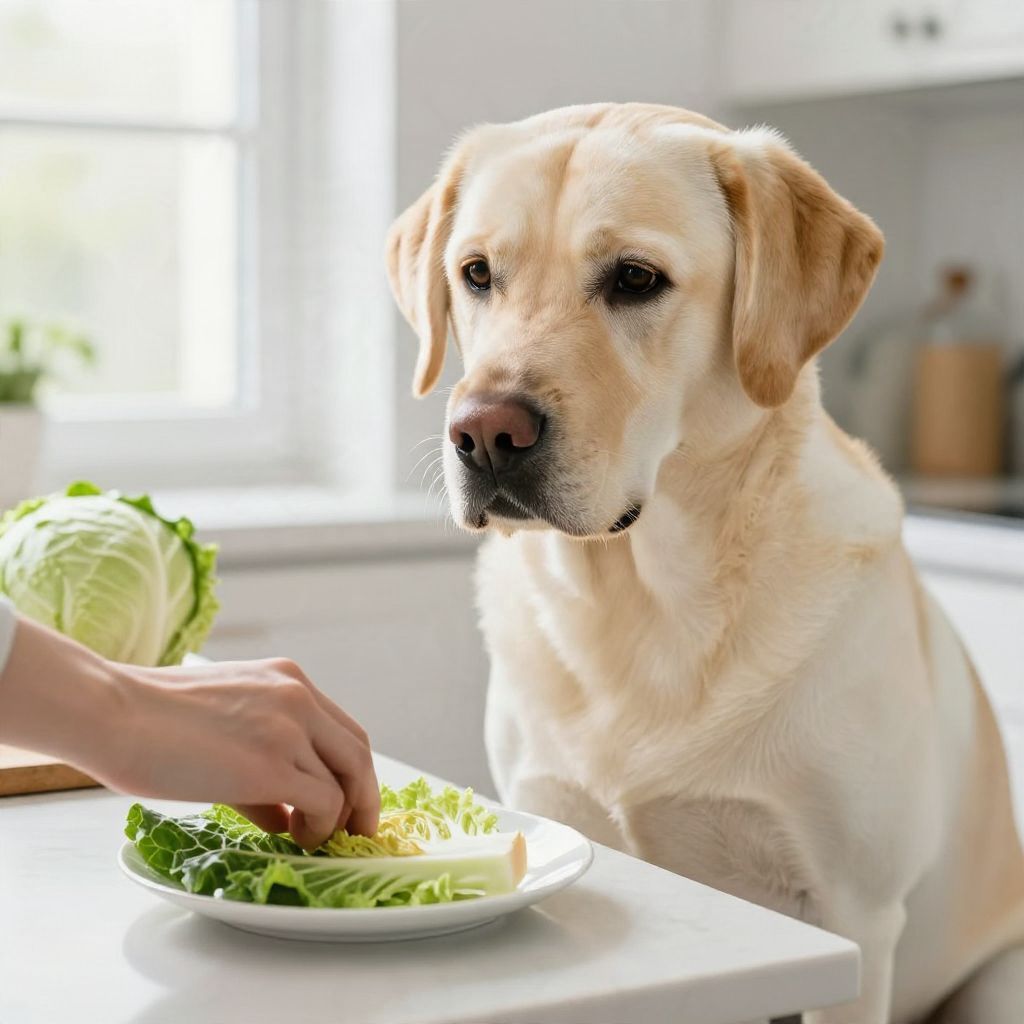
Can dogs eat raw cabbage? In many cases, yes—plain raw cabbage is not toxic to dogs and can be offered in small amounts as an occasional treat. But too much can upset the stomach, and some dogs are more sensitive than others.
The safest approach is to feed only a little, wash it well, and watch for gas, vomiting, diarrhea, or signs of discomfort. If your dog has a sensitive digestive system or a medical condition, check with your veterinarian first.
Can Dogs Eat Raw Cabbage?
Yes, dogs can eat raw cabbage in small amounts as an occasional snack. It is not considered toxic, but it can cause gas, bloating, or loose stool in some dogs. Start with a tiny piece, keep it plain, and stop if your dog shows digestive upset or discomfort.
Is Raw Cabbage Safe for Dogs?
Raw cabbage is generally safe when served plain and in moderation. It contains water, fiber, and some vitamins, but it should never replace a complete and balanced dog food.
How well your dog tolerates it can vary based on size, age, and digestive sensitivity. A large, healthy adult dog may handle a small piece easily, while a puppy, senior dog, or dog with a sensitive stomach may react more strongly.
When raw cabbage may be a reasonable treat
- Your dog is healthy and has no history of food intolerance.
- You offer only a small amount, not a full serving.
- The cabbage is plain, clean, and chopped into manageable pieces.
- You are using it as an occasional treat, not a daily staple.
When to be more cautious
- Your dog gets gassy easily.
- Your dog has a history of vomiting or diarrhea after new foods.
- Your dog has inflammatory bowel disease, pancreatitis, or another digestive condition.
- Your dog is very young, very old, or recovering from illness.
Benefits of Cabbage for Dogs
Cabbage can offer a few nutritional benefits, but those benefits are modest in the context of a complete diet. Think of it as a low-calorie treat, not a health food cure.
- Fiber: May support normal digestion in small amounts.
- Water content: Can add a little hydration.
- Vitamins and plant compounds: Present in cabbage, though dogs do not need cabbage to meet their nutritional needs.
If you want to add variety to your dog’s treats, cabbage can be one option, but it should stay well below 10% of daily calories from treats and extras.
Risks of Feeding Raw Cabbage to Dogs
The biggest issue with raw cabbage is digestive upset. Cabbage contains compounds that can lead to gas and, in some dogs, abdominal discomfort.
Common side effects
- Gas or foul-smelling flatulence
- Soft stool or diarrhea
- Stomach gurgling
- Reduced appetite if the dog feels bloated
Potential safety concerns
- Choking: Large or tough pieces can be hard to chew, especially for small dogs or dogs that gulp food.
- Digestive irritation: Too much raw cabbage may upset the stomach.
- Contamination: Unwashed produce may carry dirt, bacteria, or pesticide residue.
- Added ingredients: Cabbage mixed with onion, garlic, butter, salt, spices, or sauces is not safe for dogs.
How Much Raw Cabbage Can You Give?
There is no universal amount that is right for every dog. A safe portion depends on your dog’s size, health, and how well they usually handle vegetables.
A practical rule is to start with a very small piece and see how your dog responds over the next 24 hours. If there is no gas, vomiting, or diarrhea, you can occasionally offer a little more later, but keep portions modest.
Simple feeding tips
- Wash the cabbage thoroughly.
- Remove wilted outer leaves and any damaged spots.
- Cut it into very small pieces or shred it.
- Offer it plain, with no seasoning or dressing.
- Introduce it slowly and monitor your dog afterward.
Best Ways to Serve Cabbage to Dogs
Plain is best. Raw cabbage should be served fresh, clean, and unseasoned so you avoid unnecessary salt, fat, or toxic ingredients.
Safer serving ideas
- Finely shredded raw cabbage mixed into a small treat portion
- Very small chopped pieces as training rewards, if your dog likes the taste
- Lightly steamed cabbage if raw cabbage tends to cause gas
If your dog struggles with raw vegetables, lightly cooking cabbage without seasoning may be easier to digest than serving it raw. Even then, keep the portion small.
Signs Your Dog Did Not Tolerate Raw Cabbage Well
Most mild reactions show up as digestive upset. Watch your dog closely after the first time you offer cabbage.
- Repeated vomiting
- Diarrhea that lasts more than a brief episode
- Noticeable bloating or a tight abdomen
- Restlessness, pacing, or signs of belly pain
- Refusing food or water
If symptoms are mild and brief, stop feeding cabbage and monitor your dog. If symptoms are severe, persistent, or worsening, call your veterinarian.
When Raw Cabbage Is Not a Good Idea
Some dogs should avoid raw cabbage or only have it after veterinary guidance. This is especially true for dogs with sensitive digestion or ongoing health issues.
- Dogs with a history of gas, bloating, or chronic stomach upset
- Dogs with inflammatory bowel disease or other gastrointestinal disorders
- Dogs on restricted diets prescribed by a veterinarian
- Dogs that have trouble chewing or swallow food too quickly
- Dogs recovering from surgery or illness, unless your vet approves it
Emergency Warning Signs After Eating Cabbage
Most dogs only have mild gas, but some symptoms need urgent veterinary attention. Do not wait if your dog seems seriously unwell.
- Severe bloating or a swollen abdomen
- Repeated retching or trying to vomit without producing anything
- Extreme lethargy or collapse
- Difficulty breathing
- Persistent vomiting or diarrhea, especially with blood
- Pale gums or obvious pain
These signs can point to a serious medical problem, not just a food reaction. Contact a veterinarian or emergency clinic right away.
Raw Cabbage vs. Cooked Cabbage for Dogs
Both raw and cooked cabbage can be offered in small amounts, but cooked cabbage is often easier on the stomach. Raw cabbage is crunchier and may be more likely to cause gas in sensitive dogs.
If you choose cooked cabbage, keep it plain. Avoid butter, oil, salt, onion, garlic, and seasoning blends. Those additions can create more risk than the cabbage itself.
Common Mistakes to Avoid
- Feeding a large bowl of cabbage as if it were a meal
- Offering cabbage with salad dressing or seasoning
- Giving cabbage to a dog with a sensitive stomach without testing a tiny amount first
- Ignoring signs of discomfort because the dog “seems fine otherwise”
- Using cabbage as a substitute for balanced dog food
What About Puppies and Senior Dogs?
Puppies and senior dogs can be more sensitive to new foods. Their digestive systems may react more quickly to fiber-rich vegetables like cabbage.
For puppies, keep treats very limited and focus on a complete puppy diet. For senior dogs, especially those with dental issues or chronic illness, ask your veterinarian before adding raw cabbage or any new food.
How to Introduce Raw Cabbage Safely
If you want to see whether your dog tolerates raw cabbage, introduce it slowly and observe your dog’s response.
- Offer a tiny piece first.
- Wait and monitor for gas, vomiting, diarrhea, or discomfort.
- If your dog does well, offer only a small amount on rare occasions.
- Stop immediately if digestive signs appear.
This cautious approach is especially important for dogs with sensitive stomachs or a history of food reactions.
Bottom Line: Can Dogs Eat Raw Cabbage?
Yes, dogs can eat raw cabbage in small, plain amounts, and it is not toxic. The main concerns are gas, stomach upset, choking, and added seasonings or sauces. If your dog handles it well, it can be an occasional treat, but it should never replace a balanced diet.
If you are comparing different human foods for dogs, you may also want to read about can dogs eat raw fish and can dogs eat raw steak for more safety-focused guidance.