
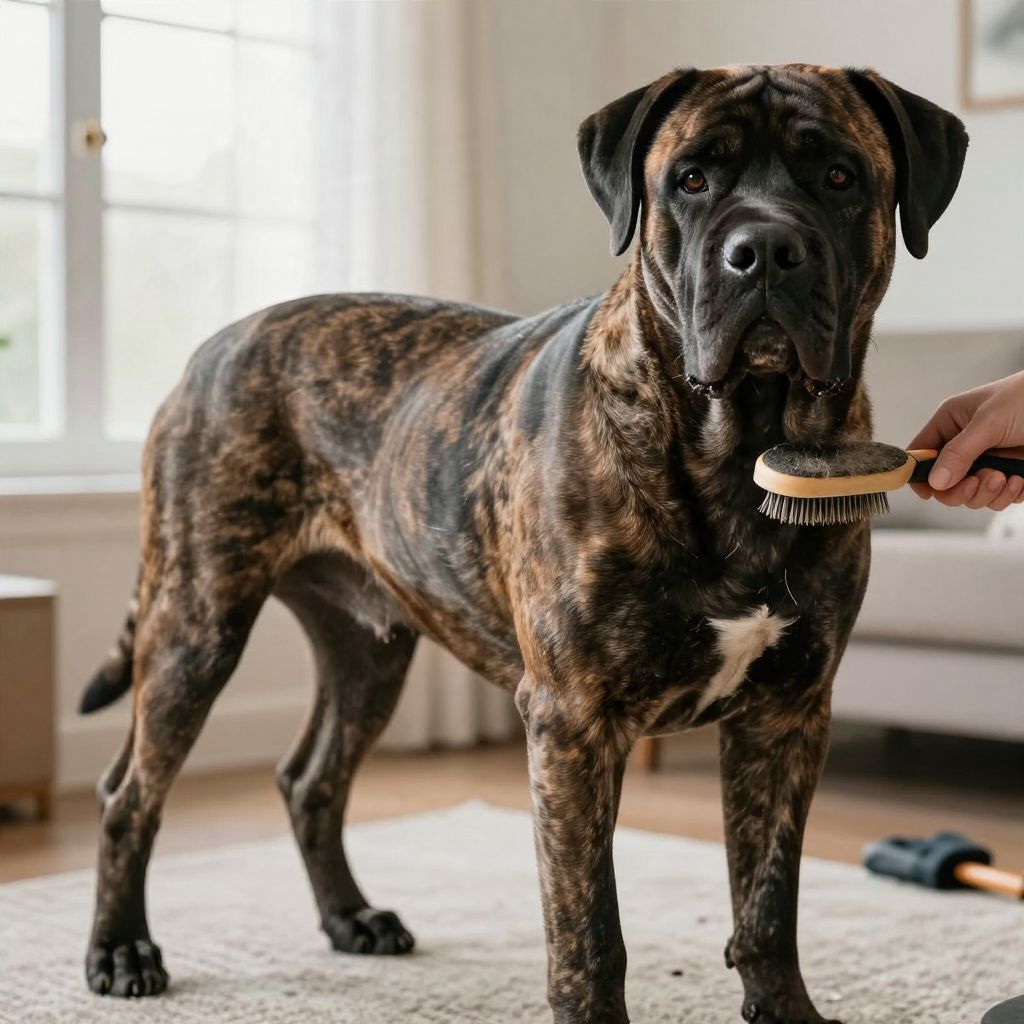
If you’re asking, “Do Cane Corsos shed?” the short answer is yes. Like most dogs with a short coat, they shed year-round, with some seasonal increases depending on the individual dog and the home environment.
The good news is that Cane Corsos are usually manageable for many owners with regular brushing, a healthy diet, and routine grooming. Heavy shedding, bald spots, or sudden coat changes are not normal and should be checked by a veterinarian.
Do Cane Corsos Shed?
Yes, Cane Corsos do shed. They typically have a short coat that sheds moderately throughout the year, with some dogs shedding more during seasonal changes. How much hair you see can vary based on genetics, health, stress, diet, grooming habits, and whether your dog is indoors or outdoors much of the time.
How Much Do Cane Corsos Shed?
Most Cane Corsos are not considered extreme shedders, but they are not a low-shed or non-shedding breed either. You should expect loose hair on furniture, clothing, and floors, especially if you skip brushing for several days.
Shedding can look different from dog to dog. One Cane Corso may leave only a light dusting of hair, while another may shed enough to require more frequent vacuuming.
What affects shedding most?
- Seasonal coat changes: Some dogs shed more in spring and fall.
- Diet quality: Poor nutrition can affect skin and coat health.
- Skin condition: Dry skin, allergies, parasites, or infection can increase shedding.
- Stress and routine changes: Moving, boarding, or household disruption may affect coat condition.
- Grooming frequency: Regular brushing removes loose hair before it ends up on your floor.
What Is Normal Shedding vs. Excessive Shedding?
Normal shedding is gradual and consistent. You may notice more hair during brushing, on bedding, or around the house, but your dog’s skin should look healthy and the coat should remain even.
Excessive shedding is different. It may happen suddenly, come with itching, or leave thin patches in the coat. That can signal a medical or skin problem rather than ordinary shedding.
Call your veterinarian if you notice:
- Patchy hair loss or bald spots
- Red, flaky, greasy, or irritated skin
- Persistent scratching, licking, or chewing
- Foul odor from the skin or ears
- Sudden increase in shedding
- Weight loss, low energy, or appetite changes along with coat changes
How to Manage Cane Corso Shedding
You cannot stop shedding completely, but you can reduce loose hair and keep the coat in better condition. A simple grooming routine is usually the most effective approach.
1. Brush regularly
Use a grooming tool suitable for short coats, such as a rubber curry brush, grooming mitt, or soft bristle brush. Brushing once or twice a week is often enough for many Cane Corsos, though some dogs benefit from more frequent grooming during heavier shedding periods.
Brushing helps remove loose hair before it falls around your home and also spreads natural oils through the coat.
2. Bathe only when needed
Bathing can help remove loose hair, but too-frequent bathing may dry out the skin. Use a dog-safe shampoo and rinse thoroughly. If your dog has sensitive skin, ask your veterinarian which products are appropriate.
3. Feed a balanced diet
A complete, age-appropriate diet supports healthy skin and coat. If you are considering supplements, talk with your veterinarian first. Not every dog needs added oils or vitamins, and too much of some nutrients can cause problems.
4. Control parasites
Fleas and mites can cause itching and hair loss. Keep your dog on a veterinarian-recommended parasite prevention plan, especially if your Cane Corso spends time outdoors or around other dogs.
5. Keep up with vet visits
Routine checkups help catch skin issues, allergies, hormone problems, and other causes of abnormal shedding early. If the shedding pattern changes, don’t assume it is just “normal for the breed.”
Common Reasons a Cane Corso May Shed More Than Usual
When shedding seems excessive, the cause is often related to skin health or overall wellness rather than the coat alone. These issues can affect any dog, including Cane Corsos.
- Allergies: Environmental or food allergies can cause itching and hair loss.
- Parasites: Fleas, mites, and lice can irritate the skin.
- Skin infections: Bacterial or yeast infections may lead to redness, odor, and shedding.
- Hormonal conditions: Some medical problems can change coat quality and thickness.
- Poor grooming: Dead hair and skin buildup can make the coat look dull or unhealthy.
If your dog is shedding more and also seems uncomfortable, schedule a veterinary exam rather than trying to guess the cause at home.
Do Cane Corsos Shed More as Puppies or Adults?
Puppies often go through coat changes as they grow, so you may notice different shedding patterns during development. Adult Cane Corsos usually have a more predictable coat, though seasonal shedding and individual variation still happen.
Older dogs may also show coat changes. If a senior dog suddenly sheds more, develops thinner fur, or has dry skin, it is worth discussing with a veterinarian.
Best Grooming Routine for a Cane Corso
A practical routine can keep shedding manageable without overdoing it. The goal is consistency, not complicated grooming.
- Brush your dog once or twice weekly.
- Check the skin while brushing for redness, bumps, flakes, or bald spots.
- Wipe muddy or dirty areas as needed.
- Bathe only when your dog is dirty or smells, or as advised by your vet.
- Keep nails trimmed and ears clean to support overall comfort and hygiene.
If your dog dislikes grooming, keep sessions short and reward calm behavior with treats and praise. Positive experiences make coat care much easier over time.
How to Reduce Hair Around the House
Even with regular grooming, some hair will still end up in your home. A few simple habits can make a big difference.
- Brush outdoors or over an easy-to-clean surface.
- Use washable dog bedding and blankets.
- Vacuum frequently, especially near resting areas.
- Keep a lint roller handy for clothing and upholstery.
- Wash bedding on a regular schedule to remove trapped hair and dander.
These steps won’t stop shedding, but they can make it much more manageable.
When Shedding Could Be a Health Warning
Shedding by itself is usually not an emergency. However, certain signs need prompt veterinary attention because they may point to pain, infection, or another serious issue.
Seek urgent veterinary care if your dog has:
- Rapidly spreading hair loss
- Open sores, bleeding skin, or swelling
- Severe itching that keeps your dog from resting
- Sudden lethargy, weakness, or collapse
- Vomiting, diarrhea, or appetite loss along with coat changes
- Facial swelling or trouble breathing
Do not wait if your dog seems very unwell or has breathing trouble. Those signs can be urgent regardless of the cause of shedding.
What Not to Do
It is easy to overreact when you see a lot of hair, but some common responses can make things worse.
- Don’t use human shampoos on a regular basis.
- Don’t assume heavy shedding is “just the breed” if skin symptoms are present.
- Don’t give supplements without veterinary guidance.
- Don’t shave a short-coated dog unless your vet recommends it for a medical reason.
- Don’t use harsh grooming tools that scratch the skin.
Gentle grooming and medical evaluation when needed are safer and more effective than trying to force the coat to stop shedding.
Bottom Line: Do Cane Corsos Shed?
Yes, Cane Corsos shed, usually at a moderate level that most owners can manage with regular brushing and basic coat care. If shedding suddenly increases or comes with itching, hair loss, or skin changes, contact your veterinarian to rule out an underlying problem.
If you want to learn more about Cane Corso care, you may also find it helpful to read about how long Cane Corsos live or explore why a dog may be shedding so much.