
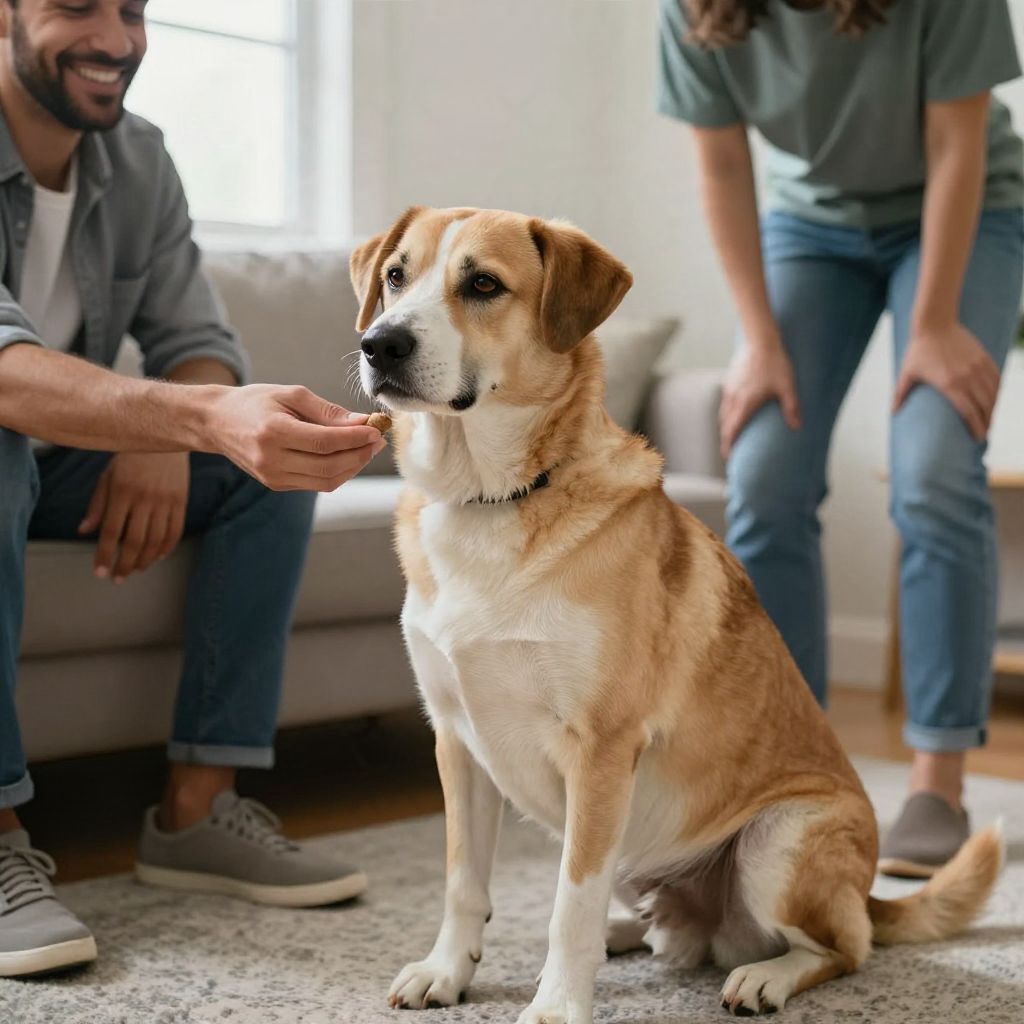
Can dogs be racist? Dogs do not understand race the way humans do, so they cannot be racist in the human social and moral sense. What they can do is react differently to people based on fear, lack of exposure, past experiences, scent, body language, or learned associations.
If your dog seems uneasy around certain people, focus on safety, socialization, and training rather than labeling the dog as prejudiced. A veterinarian or qualified trainer can help you sort out whether the behavior is fear, guarding, overstimulation, or another issue.
Can dogs be racist?
No. Dogs do not have the human concepts needed for racism, such as social bias about race or ethnicity. They may, however, show avoidance, barking, stiffness, or fear toward some people because of unfamiliarity, poor socialization, stress, or prior experiences.
Why a dog may act differently around certain people
When a dog seems “biased,” the behavior usually has a practical cause. Dogs read body language, movement, voice, scent, clothing, and context far more than human social categories.
Common reasons include
- Limited exposure during puppyhood or adulthood
- Fear or anxiety around unfamiliar people
- Past negative experiences with a person who looked, moved, or sounded similar
- Overstimulation in busy places
- Resource guarding of food, toys, space, or a person
- Pain or illness that lowers patience and tolerance
These reactions can happen in any dog, regardless of breed. Individual temperament, age, health, and training history matter more than labels.
What the behavior may look like
A dog that is uncomfortable may not be “mean.” The signs can be subtle at first, and catching them early helps prevent escalation.
- Turning away or hiding
- Stiff posture or frozen body language
- Growling, barking, or lunging
- Raised hackles, panting, or lip licking when stressed
- Refusing treats or ignoring cues
- Snapping if someone approaches too quickly
If your dog suddenly changes behavior, especially if the change is new, consider a veterinary checkup. Pain, vision loss, hearing loss, cognitive decline, or other medical problems can affect tolerance and reactivity.
How to respond safely if your dog seems uncomfortable around someone
The goal is to prevent rehearsal of the unwanted behavior while helping your dog feel safe. Do not force greetings or “make the dog get used to it” by pushing too fast.
- Create distance from the person or situation that is triggering your dog.
- Keep the leash loose if possible; tension can add stress.
- Use treats only if your dog is still calm enough to eat.
- Let your dog choose whether to approach, rather than pulling them in.
- End the interaction early if you see stiffness, staring, or avoidance.
- Track patterns so you can identify what specifically sets your dog off.
If your dog has ever bitten, snapped, or lunged, prioritize management immediately. Use barriers, a leash, or a muzzle only if it has been properly introduced in a positive way and your dog is comfortable wearing it.
How to help a dog become more comfortable with different people
Careful socialization and reward-based training can improve many dogs’ comfort level over time. The aim is not to force friendliness, but to build positive associations and confidence.
Helpful steps
- Expose your dog gradually to calm, predictable people at a distance where they can stay relaxed.
- Pair the sight of a person with something your dog loves, such as treats or play.
- Keep sessions short and successful.
- Use simple cues your dog already knows, like “sit” or “look,” if they help your dog feel organized.
- Reward calm observation, not barking or lunging.
For puppies, early positive exposure to a wide range of safe people, sounds, clothing styles, mobility aids, and environments can reduce fear later. For adult dogs, progress may be slower, but improvement is still possible.
When breed, age, or health can matter
Breed alone does not determine whether a dog will react to people in a certain way. Some dogs may be more cautious, more energetic, or more sensitive to stimulation, but individuals vary widely.
Factors that can change behavior
- Age: puppies are learning, while seniors may become less tolerant or more confused
- Health: pain, arthritis, hearing loss, and vision changes can increase reactivity
- Temperament: some dogs are naturally bold, others reserved
- Training history: dogs with positive social experience often cope better
- Environment: crowded, noisy, or chaotic settings can overwhelm sensitive dogs
If an older dog becomes more suspicious or reactive, ask your veterinarian about pain management, sensory decline, and cognitive changes. Behavior changes in senior dogs should not be assumed to be “just age.”
Common mistakes to avoid
Well-intended handling errors can make fear or reactivity worse. Focus on safety and calm repetition instead of punishment.
- Forcing your dog to greet strangers
- Punishing growling, which can suppress warning signs without fixing the fear
- Using shock, intimidation, or dominance-based methods
- Allowing repeated stressful encounters
- Ignoring medical causes of sudden behavior change
Growling is useful communication. If you punish it, your dog may skip the warning and go straight to snapping or biting.
When to call a veterinarian or behavior professional
Seek professional help if the behavior is intense, worsening, or unsafe. A veterinarian can rule out pain or illness, and a qualified trainer or veterinary behaviorist can help you build a plan.
Get help promptly if you notice
- Snapping, biting, or repeated lunging
- Sudden personality change
- Fear that appears after illness, injury, or surgery
- Guarding of people, food, toys, or resting spots
- Behavior that prevents normal walks, grooming, or vet care
Emergency warning: if your dog has bitten someone and the wound is serious, or if your dog is dangerously out of control and you cannot safely manage them, seek immediate veterinary or emergency guidance and prevent further contact right away.
What to do if a person is worried about your dog
If someone says your dog seems uncomfortable around them, take that feedback seriously. A calm, respectful response protects everyone and helps your dog learn that people are not a threat.
- Move your dog farther away
- Ask the person not to reach over or stare at your dog
- Let your dog observe from a safe distance
- Use high-value treats only if your dog remains relaxed
- End the interaction if your dog is tense
Respecting a dog’s boundaries often prevents bigger problems later. Safety is more important than proving your dog can “handle it.”
The bottom line
Dogs cannot be racist, but they can show fear, avoidance, or reactivity toward certain people for understandable behavioral or medical reasons. If you notice a pattern, focus on safe management, positive training, and a veterinary check when needed. For more on related behavior issues, see what resource guarding in dogs looks like.