
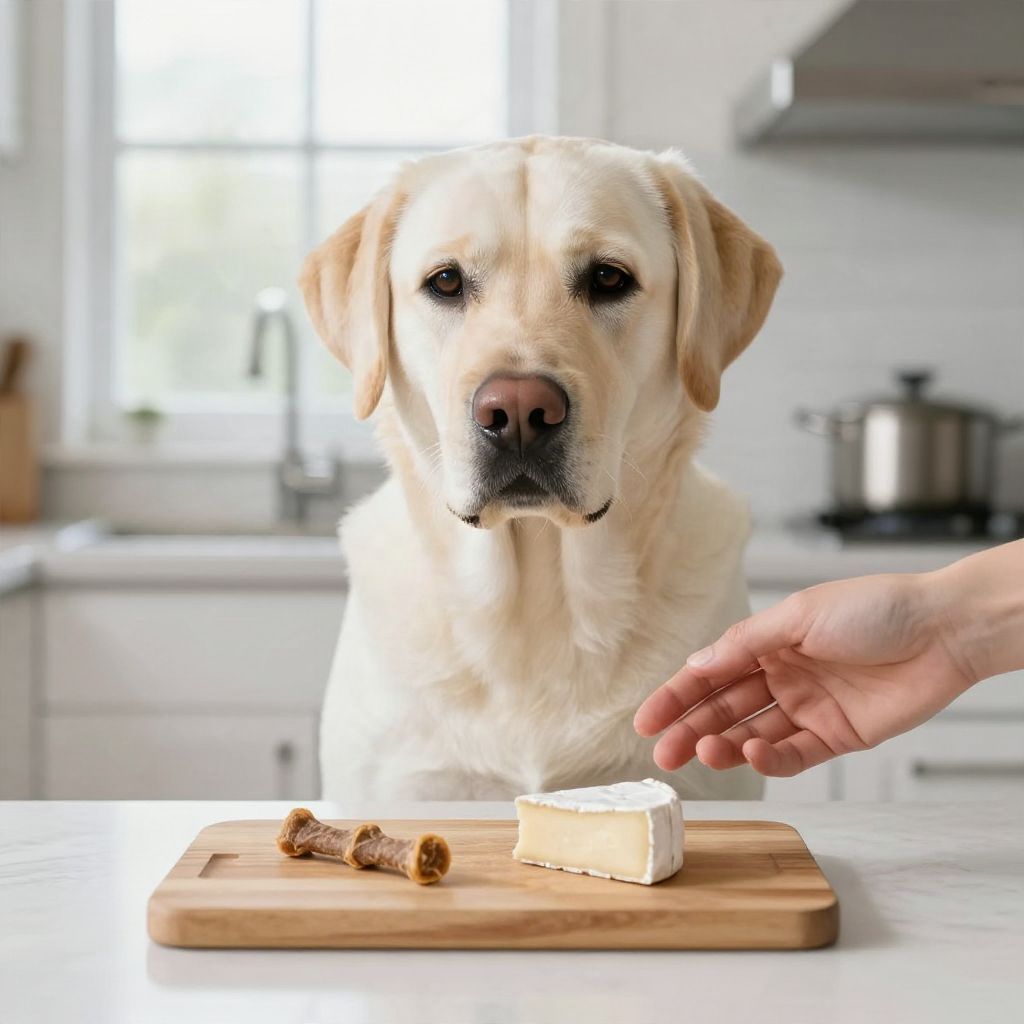
Can dogs eat brie cheese? In small amounts, plain brie is not usually toxic to dogs, but it is not an ideal snack. It is high in fat and calories, and some dogs do not tolerate dairy well, so it can cause stomach upset or worse in sensitive dogs.
If your dog has pancreatitis, is overweight, or has a history of digestive trouble, it is best to skip brie and choose a safer treat instead. If your dog ate a large amount or seems unwell, contact your veterinarian.
Can dogs eat brie cheese?
Yes, some dogs can eat a tiny amount of plain brie occasionally, but it should be treated as an indulgence, not a regular treat. Brie is rich, fatty, and dairy-based, so it can trigger vomiting, diarrhea, or pancreatitis in susceptible dogs. Puppies, dogs with sensitive stomachs, and dogs with certain health problems should avoid it.
Why brie can be a problem for dogs
Brie is soft cheese, which makes it tempting to use for training or table treats, but its nutritional profile is not ideal for dogs. The main concerns are fat, lactose, and added ingredients that may appear in flavored versions.
High fat content
Fatty foods can upset a dog’s stomach, and in some dogs they may contribute to pancreatitis, a painful and potentially serious inflammation of the pancreas. Dogs with a past history of pancreatitis should not be given brie unless your veterinarian specifically says otherwise.
Lactose sensitivity
Many adult dogs digest lactose poorly. Even if a dog is not severely lactose-intolerant, brie can still cause gas, loose stool, or vomiting if the dog is sensitive.
Extra ingredients
Plain brie is the safest version, but some cheeses are mixed with garlic, herbs, peppers, or other flavorings. Those additions can make the snack less suitable, especially if the cheese contains onion or garlic ingredients.
When brie is more likely to cause trouble
Whether brie causes an issue depends on your dog’s size, age, diet, and health history. A tiny piece may be tolerated by one dog and cause vomiting in another.
- Puppies: Their digestive systems are still developing, so rich foods can upset them more easily.
- Small dogs: Even a small bite can be a relatively large amount of fat and calories for a tiny body.
- Senior dogs: Older dogs may have more sensitive digestion or underlying health issues.
- Overweight dogs: Brie adds calories quickly and can work against weight-management plans.
- Dogs with pancreatitis, diabetes, or chronic GI disease: These dogs often need stricter dietary control.
How much brie can a dog have?
If your veterinarian has not advised a dairy-free diet, the safest approach is to keep brie to a very small taste only, and only occasionally. Think pea-sized or smaller for many dogs, not a full slice. Treats of any kind should stay within your dog’s daily calorie needs.
That said, many dogs do better with non-dairy treats. If you already use cheese for training, it is better to choose a lower-fat option in tiny amounts and reserve brie for rare situations, if at all.
How to offer brie more safely
If you decide to give your dog a small amount of plain brie, keep the serving simple and controlled. This reduces the chance of digestive upset and helps you notice whether your dog tolerates it.
- Offer only a tiny piece.
- Use plain brie with no garlic, onion, herbs, or seasoning.
- Remove the rind if you want to be extra cautious, since some dogs may find it harder to digest.
- Do not make it a daily habit.
- Watch your dog for stomach upset over the next several hours.
Signs your dog did not tolerate brie well
Many dogs that react to brie show mild digestive signs first. These can appear soon after eating it, but sometimes they take longer to show up.
- Vomiting
- Diarrhea
- Gas or bloating
- Loss of appetite
- Restlessness or discomfort
If the signs are mild and your dog otherwise seems normal, monitor closely and contact your veterinarian if the problem continues. If symptoms are severe, do not wait.
Emergency warning signs after eating brie
Some symptoms need urgent veterinary care because they can point to pancreatitis, a blockage, or another serious issue. Seek help right away if your dog has repeated vomiting, severe diarrhea, a painful or swollen abdomen, marked lethargy, trouble breathing, collapse, or cannot keep water down.
If your dog ate a large amount of brie or a cheese product with harmful ingredients, call your veterinarian or an emergency clinic promptly. Do not try to “wait it out” if your dog is acting very unwell.
What if your dog ate brie with other foods?
Brie itself is usually the main concern, but what it was served with matters too. Cheese boards and appetizers often include ingredients that are not safe for dogs.
- Garlic or onion: These can be dangerous to dogs.
- Crackers, bread, or pastries: These add salt, fat, and extra calories.
- Wine or alcohol-based sauces: These are unsafe.
- Grapes, raisins, or chocolate: These are toxic and need immediate attention.
If your dog ate brie as part of a larger snack, identify every ingredient as quickly as possible before deciding what to do next.
Better treat options than brie
If you want a reward that is easier on your dog’s stomach, there are usually better choices than brie. The best option depends on your dog’s health, weight, and training routine.
- Small pieces of plain cooked chicken or turkey
- Dog-safe commercial training treats
- Small bits of carrot or green bean, if your dog likes vegetables
- Vet-approved treats designed for sensitive stomachs
For dogs who love cheese, ask your veterinarian whether a lower-fat cheese in very small amounts is appropriate. Even then, moderation matters.
Common mistakes to avoid
People often assume that because a food is “just cheese,” it must be harmless. With dogs, that is not always true.
- Giving brie regularly because your dog begs for it
- Using large pieces as training rewards
- Offering brie to a dog with a history of pancreatitis or recurring stomach upset
- Feeding flavored brie with unsafe seasonings
- Ignoring vomiting or abdominal pain after a rich snack
When to ask your veterinarian
Check with your veterinarian if your dog has any medical condition that affects diet, including pancreatitis, inflammatory bowel disease, food allergies, kidney disease, or weight problems. Your vet can help you decide whether any cheese treat is appropriate and suggest safer alternatives.
If you are unsure how much your dog ate, or if your dog is a puppy, senior, or medically fragile, it is better to ask than to guess. Individual tolerance can vary a lot.
The bottom line
Can dogs eat brie cheese? In very small amounts, plain brie is usually not toxic, but it is still a rich food that can upset your dog’s stomach and may be risky for dogs with certain health issues. If you choose to offer it, keep it rare, tiny, and plain—and stop if your dog does not tolerate it well.
If you want to compare brie with other human foods, you may also find can dogs eat cheesecake helpful, along with this related guide on brie cheese for dogs.