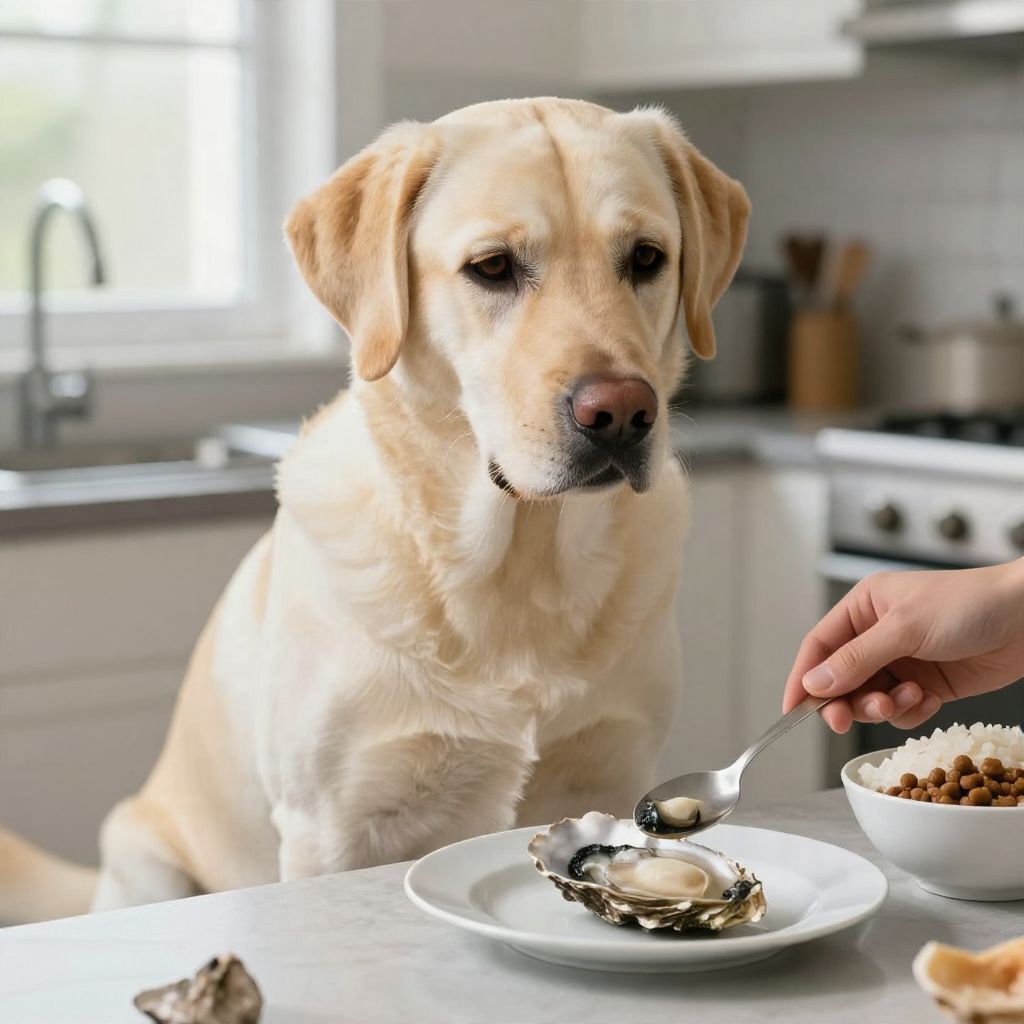
Can dogs eat oysters? In small amounts, plain cooked oysters can be safe for some dogs, but raw oysters are risky and not a good choice. The main concerns are bacteria, parasites, shell fragments, and rich seafood upsetting your dog’s stomach.
If you want to share oysters, preparation matters more than the food itself. Keep portions tiny, avoid seasoning and shells, and check with your veterinarian first if your dog has a sensitive stomach, pancreatitis, kidney disease, or a seafood allergy.
Can Dogs Eat Oysters?
Yes, dogs can eat plain, fully cooked oysters in very small amounts, but they are not an ideal regular treat. Raw oysters are unsafe because they can carry harmful bacteria and parasites, and oyster shells can cause choking or internal injury.
Are Oysters Safe for Dogs?
Oysters are not toxic to dogs on their own, but “safe” depends on how they are prepared and on your dog’s health. A small piece of cooked oyster may be tolerated by many healthy dogs, while raw, fried, seasoned, or shell-on oysters can create problems.
What makes oysters risky?
- Raw seafood exposure: Raw oysters may contain bacteria or parasites that can make dogs sick.
- Shell hazards: Oyster shell pieces can splinter and injure the mouth, throat, stomach, or intestines.
- Richness: Oysters are rich and may trigger vomiting, diarrhea, or pancreatitis in sensitive dogs.
- Seasonings: Butter, garlic, onion, salt, sauces, and breading can be unsafe or irritating.
Can Dogs Eat Raw Oysters?
No, raw oysters should not be given to dogs. Even if a dog seems fine after eating one, raw shellfish can carry pathogens that may cause gastrointestinal illness or more serious infection, especially in puppies, seniors, or dogs with weaker immune systems.
Why raw oysters are a bad idea
- They may contain harmful bacteria.
- They can be contaminated by unsafe handling or storage.
- They are harder to digest than plain cooked seafood.
- They may expose your dog to shell fragments if served improperly.
How to Feed Oysters to Dogs Safely
If your veterinarian says oysters are okay for your dog, keep them plain and fully cooked. Offer only a tiny portion as an occasional treat, not as a meal replacement or a regular addition to the diet.
- Remove the shell completely.
- Cook the oyster thoroughly.
- Serve it plain, with no seasoning, butter, oil, or sauce.
- Cut it into small pieces to reduce choking risk.
- Start with a very small amount and watch for stomach upset.
Best preparation choices
- Plain steamed or boiled oysters
- Plain baked oysters with no toppings
- Small pieces mixed into a meal only if your vet approves
What to avoid
- Raw oysters
- Fried oysters
- Oysters with garlic, onion, butter, hot sauce, or heavy salt
- Oyster shells or shell fragments
- Canned or smoked oysters with added seasoning or oil
How Much Oyster Can a Dog Eat?
There is no universal safe amount for every dog, and it is best not to treat oysters as a staple food. Size, age, activity level, digestive sensitivity, and medical history all matter, so the safest approach is to offer only a very small bite on rare occasions.
For many dogs, even a small serving can be enough to cause stomach upset if they are not used to seafood. Larger dogs may tolerate a little more than smaller dogs, but that does not make oysters a good everyday treat.
Possible Risks and Side Effects
After eating oysters, some dogs may have no problems at all, while others may develop digestive upset. The risk is higher if the oyster was raw, seasoned, greasy, or served with shell pieces.
Watch for these signs
- Vomiting
- Diarrhea
- Drooling
- Loss of appetite
- Abdominal discomfort
- Lethargy
- Itching, facial swelling, or hives
Seek urgent veterinary care if you notice
- Repeated vomiting or diarrhea
- Blood in vomit or stool
- Swollen face, trouble breathing, or collapse
- Choking, gagging, or difficulty swallowing
- Severe belly pain, bloating, or a hard abdomen
- Signs your dog may have swallowed shell fragments
Which Dogs Should Avoid Oysters?
Some dogs are more likely to have a bad reaction to oysters, even when they are cooked. If your dog has any medical condition that affects digestion, immunity, or diet tolerance, oysters are usually not worth the risk.
- Puppies: Their digestive systems are still developing, and they are less able to handle foodborne germs.
- Senior dogs: Older dogs may be more sensitive to rich foods or infection.
- Dogs with pancreatitis history: Rich foods can be a problem.
- Dogs with food allergies or sensitive stomachs: Seafood may trigger symptoms.
- Dogs with kidney disease or other chronic illness: Ask your vet before offering new foods.
- Dogs on prescription diets: Treats can interfere with dietary management.
What If Your Dog Ate an Oyster Shell?
If your dog swallowed part of an oyster shell, do not try to make them vomit unless a veterinarian specifically tells you to do so. Shell fragments can scratch or block the digestive tract, and your dog may need prompt evaluation.
Call your veterinarian right away if the shell was sharp, your dog is coughing or choking, or you notice vomiting, pain, drooling, trouble passing stool, or a swollen abdomen.
Are Oysters Healthy for Dogs?
Oysters contain protein and some minerals, but that does not make them a necessary or especially beneficial dog food. A complete and balanced dog diet already provides the nutrients your dog needs in the right amounts.
If you want to use seafood as an occasional treat, plain cooked fish is often easier to portion and serve safely than shellfish. Even then, treats should stay within your dog’s daily calorie needs.
Common Mistakes to Avoid
- Feeding raw oysters because they seem “fresh”
- Leaving shells on the oyster
- Serving oysters seasoned for people
- Giving too many at once
- Using oysters as a meal substitute
- Ignoring vomiting, diarrhea, or choking signs after your dog eats one
When to Call Your Veterinarian
Contact your veterinarian if your dog ate oysters and you are unsure whether they were cooked, shelled, or seasoned. This is especially important for puppies, small dogs, seniors, and dogs with ongoing health problems.
Get urgent help immediately if your dog has breathing trouble, repeated vomiting, severe lethargy, abdominal swelling, choking, or any sign of shell injury.
Bottom Line
Can dogs eat oysters? In limited cases, plain fully cooked oysters may be okay, but raw oysters and shell pieces are unsafe. If you choose to offer oysters, keep the portion tiny, skip all seasoning, and watch closely for stomach upset or emergency signs.
If you want to learn more about seafood safety for dogs, you may also find these guides helpful: can dogs eat raw fish and can dogs eat sushi.