
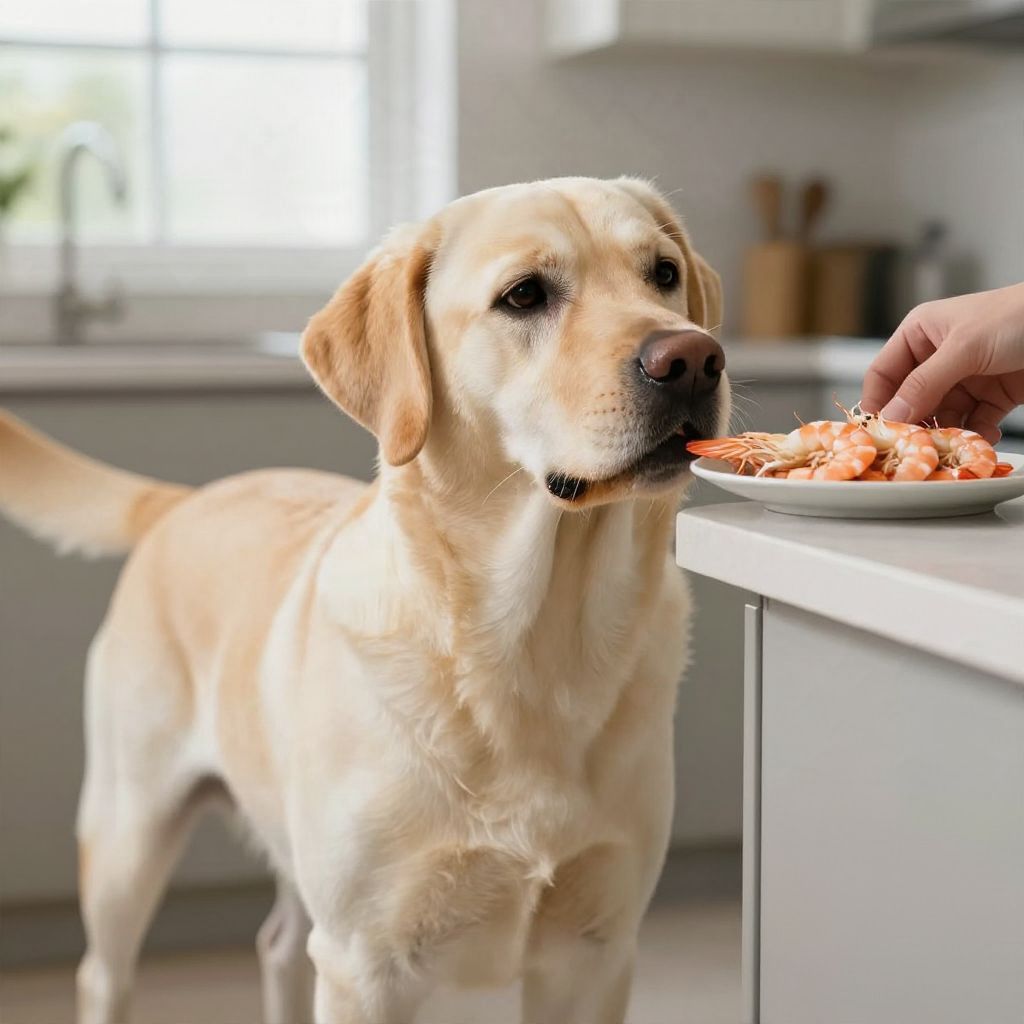
Can dogs eat raw shrimp? In most cases, it’s not the safest choice. Raw shrimp can carry bacteria and parasites, and the shell, tail, and vein can also cause digestive upset or choking.
If you want to share shrimp with your dog, cooked plain shrimp is usually the safer option in small amounts. Even then, it should be an occasional treat, not a regular part of your dog’s diet.
Can dogs eat raw shrimp?
Raw shrimp is not recommended for dogs because it may contain harmful bacteria or parasites, and the shell or tail can irritate the mouth or gut. A small accidental bite may not cause problems, but raw shrimp should not be a planned treat. Cooked, plain shrimp is the safer choice.
Why raw shrimp can be risky for dogs
Shrimp itself is not inherently toxic to dogs, but raw seafood carries food-safety concerns. Dogs can get gastrointestinal illness from contaminated shrimp, and some dogs are more sensitive than others depending on age, health, and stomach tolerance.
Bacteria and parasites
Raw shrimp can contain organisms that may upset your dog’s digestive system. Even if your dog seems to tolerate it once, that does not make raw shrimp a safe habit.
Shells, tails, and hard pieces
Shell fragments can scratch the mouth or throat and may be difficult to digest. Larger pieces can also contribute to choking or, in some dogs, intestinal blockage.
Seasonings and marinades
If the shrimp was prepared for people, it may contain garlic, onion, butter, salt, spices, or sauces that are not appropriate for dogs. The shrimp itself may be the least of the concern if it was heavily seasoned.
What to do if your dog ate raw shrimp
If your dog ate a small amount of plain raw shrimp, monitor them closely for stomach upset. If the shrimp had shell, tail, seasoning, or came from an unsafe source, the risk is higher and you should call your veterinarian for guidance.
- Offer fresh water and keep your dog calm.
- Watch for vomiting, diarrhea, abdominal discomfort, or loss of appetite.
- Check whether shell pieces were swallowed.
- Contact your vet promptly if your dog is very young, elderly, immunocompromised, or has a history of digestive problems.
Seek urgent veterinary care if your dog has repeated vomiting, severe diarrhea, blood in vomit or stool, a swollen belly, trouble breathing, choking, collapse, extreme lethargy, or signs of pain.
Is cooked shrimp safe for dogs?
Plain, fully cooked shrimp is generally safer than raw shrimp for most dogs when served in moderation. It should be unseasoned, peeled, and cleaned, with the tail removed. Cooked shrimp is best treated as an occasional protein-rich snack, not a meal replacement.
How to prepare shrimp for your dog
- Cook the shrimp thoroughly.
- Remove the shell, tail, and vein.
- Serve it plain with no salt, butter, garlic, onion, or sauce.
- Cut it into small pieces, especially for small dogs or dogs that gulp food.
- Offer only a small amount the first time to see how your dog handles it.
How much shrimp can a dog have?
The right amount depends on your dog’s size, overall diet, and sensitivity to rich foods. Because shrimp is a treat, keep portions small and occasional. For some dogs, even a little seafood can cause loose stool or vomiting, so start conservatively.
A practical rule is to keep treats, including shrimp, to a small part of your dog’s daily intake. If your dog is on a special diet, has pancreatitis, food allergies, kidney disease, or a sensitive stomach, ask your veterinarian before offering shrimp at all.
Dogs that should avoid shrimp or get veterinary advice first
Some dogs are more likely to have trouble with shrimp, even when it is cooked. Your vet can help you decide whether it fits your dog’s diet.
- Dogs with food allergies or a history of itchy skin or ear infections
- Dogs with pancreatitis or a history of fatty-food sensitivity
- Dogs with chronic digestive issues, such as frequent vomiting or diarrhea
- Puppies with immature digestive systems
- Senior dogs with medical conditions or reduced appetite
- Dogs on prescription diets where treats may interfere with nutrition
Signs your dog may not have tolerated shrimp well
After eating shrimp, mild stomach upset can happen in some dogs, especially if the portion was large or the shrimp was raw, seasoned, or shell-on. Most mild cases improve with time, but worsening symptoms need veterinary attention.
- Vomiting
- Diarrhea
- Gas or bloating
- Drooling
- Reduced appetite
- Restlessness or signs of abdominal discomfort
If symptoms are severe, persistent, or your dog seems weak, dehydrated, or painful, contact your veterinarian right away.
Common mistakes to avoid
Most shrimp-related problems in dogs come from preparation errors rather than shrimp alone. Avoid these common mistakes to keep your dog safe.
- Feeding raw shrimp on purpose
- Leaving the shell or tail on
- Using garlic, onion, chili, or salty seasoning
- Serving fried shrimp or shrimp coated in batter
- Giving shrimp cocktail sauce or other dipping sauces
- Offering too much at once
- Assuming a dog can eat seafood just because they enjoyed it once
Can puppies eat raw shrimp?
Puppies are usually better off avoiding raw shrimp. Their digestive systems are still developing, and foodborne illness or choking hazards can be more serious in young dogs. If you want to introduce shrimp later, ask your veterinarian and start with a tiny amount of plain cooked shrimp.
Can dogs with allergies eat shrimp?
Some dogs can be allergic or sensitive to seafood, including shrimp. Signs may include itching, ear problems, skin redness, vomiting, or diarrhea. If your dog has a known food allergy or has reacted to seafood before, do not offer shrimp without veterinary guidance.
Safer alternatives if you want a seafood treat
If your dog enjoys seafood, there are safer ways to offer it than raw shrimp. The key is plain preparation and small portions. Even then, any new food should be introduced slowly.
- Plain cooked shrimp with shell and tail removed
- Small amounts of plain cooked fish approved by your vet
- Commercial dog treats formulated for your dog’s size and health needs
Remember that treats should not replace a balanced dog food. Human foods, even healthy ones, can unbalance the diet if they become too frequent.
Bottom line
Can dogs eat raw shrimp? It is better not to feed it. Raw shrimp can carry food-safety risks, and shells or seasonings add more danger. If you want to share shrimp, choose plain, fully cooked shrimp in small amounts and stop if your dog shows any digestive upset.
If you want to learn more about seafood safety for dogs, you may also find is shrimp bad for dogs and can dogs eat raw salmon helpful for comparing risks and safer feeding choices.