
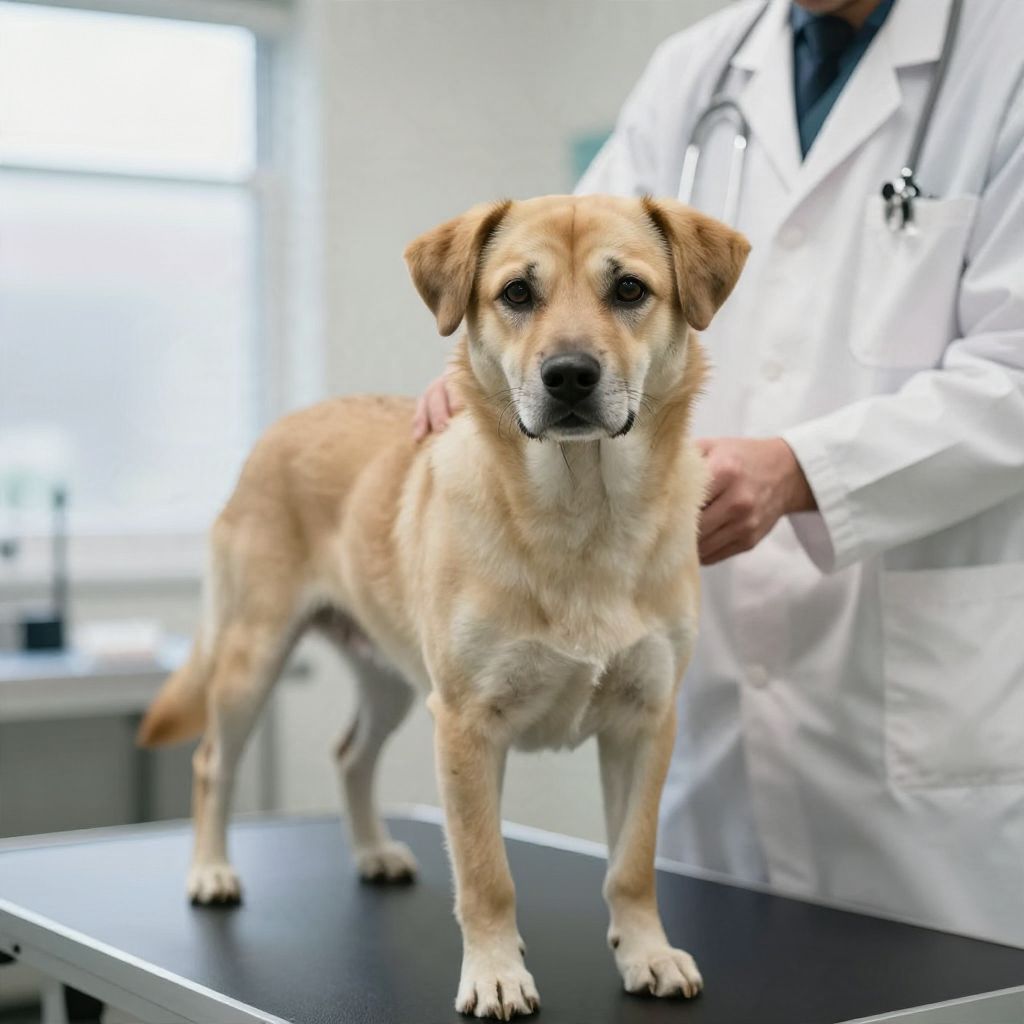
Can dogs get Down syndrome? Not in the same way humans do. Dogs do not have the same chromosome pattern as people, so they cannot be diagnosed with Down syndrome as a human medical condition.
If a dog looks “different,” has developmental delays, or seems to have unusual facial features or health problems, a veterinarian should evaluate them. Several other genetic, congenital, hormonal, or neurologic issues can cause similar signs.
Can dogs get Down syndrome?
No. Dogs cannot get Down syndrome as humans do, because the condition is specific to human chromosome abnormalities. A dog that appears “down syndrome-like” may have another medical issue, such as a birth defect, genetic disorder, neurologic problem, vision or hearing loss, endocrine disease, or developmental delay that needs veterinary assessment.
Why people think a dog has Down syndrome
People often use the phrase when a dog has a flat face, unusual eyes, slow learning, weak coordination, or a generally “different” appearance. Those signs can be real, but they do not confirm Down syndrome.
Some dogs are simply born with unique features, while others have health conditions that affect growth, movement, behavior, or appearance. The important point is to look for the underlying cause rather than the label.
Common reasons a dog may seem “different”
- Congenital defects present at birth
- Inherited or breed-related conditions
- Neurologic disorders affecting balance, movement, or learning
- Hormonal or metabolic disease
- Vision or hearing impairment
- Infections, injury, or toxin exposure affecting the brain or body
Signs that need a veterinary exam
If your dog has unusual features or behavior, a veterinary exam is the safest next step. A vet can check growth, reflexes, vision, hearing, heart function, and overall development, then recommend testing if needed.
Watch for these signs
- Delayed development compared with littermates or age expectations
- Poor coordination, stumbling, or frequent falls
- Difficulty seeing, hearing, eating, or swallowing
- Persistent weakness or low energy
- Seizures, tremors, or unusual head tilt
- Abnormal facial structure, jaw alignment, or eye appearance
- Failure to gain weight, poor growth, or recurring illness
Emergency red flags
Seek urgent veterinary care right away if your dog has trouble breathing, collapses, has a seizure, cannot stand, has sudden severe weakness, or shows signs of pain, blue gums, or a rapidly worsening condition. Do not wait for symptoms to “settle down” if they are severe or sudden.
What conditions can look similar to Down syndrome in dogs?
Only a veterinarian can sort out the cause, but several conditions may create overlapping signs. The exact possibility depends on your dog’s age, breed mix, medical history, and the specific symptoms you are seeing.
Examples of look-alike problems
- Congenital abnormalities: structural differences present at birth
- Neurologic disease: problems affecting the brain, spinal cord, or nerves
- Endocrine disorders: conditions such as thyroid disease that can affect energy and growth
- Genetic syndromes: inherited conditions that may alter appearance or development
- Infections or inflammation: illnesses that affect the nervous system or general health
- Trauma or toxin exposure: injury or poisoning that changes behavior, coordination, or alertness
How veterinarians evaluate a dog with unusual development
Your vet will usually start with a full physical and neurologic exam and a careful history. They may ask about pregnancy and birth history, growth, appetite, activity, vaccinations, exposure risks, and when the signs began.
Depending on the findings, your vet may recommend bloodwork, urine testing, imaging, eye or ear exams, genetic testing, or referral to a specialist. The goal is not to “prove Down syndrome,” but to identify the real medical issue and support your dog appropriately.
Helpful information to bring to the appointment
- When you first noticed the signs
- Photos or videos of the behavior or movement concerns
- Your dog’s diet, medications, and supplements
- Any recent injury, illness, or toxin exposure
- Details about littermates, if known
- Changes in appetite, thirst, bathroom habits, or sleep
How to care for a dog with special needs
If your dog has a developmental or chronic condition, care should be tailored to the diagnosis. Many dogs can still have a good quality of life with the right support, but the plan depends on what is actually wrong.
Practical care steps
- Keep a consistent routine for meals, walks, and rest
- Use safe, low-stress training with rewards and patience
- Provide easy access to water, bedding, and potty areas
- Choose appropriate exercise based on energy, balance, and stamina
- Protect dogs with vision or hearing issues from hazards
- Schedule regular veterinary follow-ups to monitor changes
If your dog has mobility or coordination problems, reduce risks at home. Use non-slip flooring, block stairs if needed, and avoid rough play that could lead to injury.
Training and behavior support for dogs with developmental challenges
Dogs with medical or developmental differences may learn at a different pace, but they still benefit from humane, reward-based training. Keep sessions short, predictable, and positive.
What usually helps
- Simple cues and one step at a time
- High-value treats or praise, if your dog is food-motivated
- Low-distraction environments during learning
- Patience with repetition and consistency
- Management tools such as gates, leashes, or crates when appropriate
A certified trainer or veterinary behaviorist can help if your dog is anxious, hard to handle, or struggling to learn because of sensory or neurologic limitations. Avoid punishment or intimidation, which can make fear and confusion worse.
Nutrition and weight management
There is no special “Down syndrome diet” for dogs. Nutrition should match your dog’s life stage, body condition, and any diagnosed medical problem.
Some dogs with chronic illness, low muscle tone, or mobility issues may need careful calorie control, while others need support for poor appetite or growth concerns. Your veterinarian can help you choose a complete, balanced food and decide whether any diet changes are needed.
Good feeding habits
- Feed a complete and balanced dog food for the correct life stage
- Measure portions rather than free-feeding when weight is a concern
- Track body condition, not just the number on the scale
- Ask your vet before adding supplements or homemade diets
When to ask for a specialist referral
Some dogs need more than a general exam. If signs are complex, progressive, or poorly explained, your veterinarian may refer you to a neurologist, internal medicine specialist, ophthalmologist, or genetic counselor.
Referral is especially useful when your dog has seizures, unexplained weakness, repeated falls, vision loss, or multiple congenital abnormalities. Early evaluation can improve comfort and help you make informed care decisions.
What not to do
Because “Can dogs get Down syndrome” is such a common search, it is easy to fall into myths or guesswork. Avoid these mistakes:
- Do not assume a visual resemblance means a specific diagnosis
- Do not delay care if signs are worsening
- Do not give human medications unless your vet specifically tells you to
- Do not rely on internet photos to compare conditions
- Do not use harsh training methods for a dog who may already be confused or vulnerable
Bottom line
Dogs do not get Down syndrome like humans do, but they can have other conditions that create similar signs. If your dog seems developmentally delayed, physically unusual, or neurologically different, a veterinarian should examine them to find the real cause and guide safe care.
If you want to keep learning about related health concerns, you may also find can dogs get dementia? and can dogs get tetanus? helpful for understanding other conditions that can affect behavior and movement.