
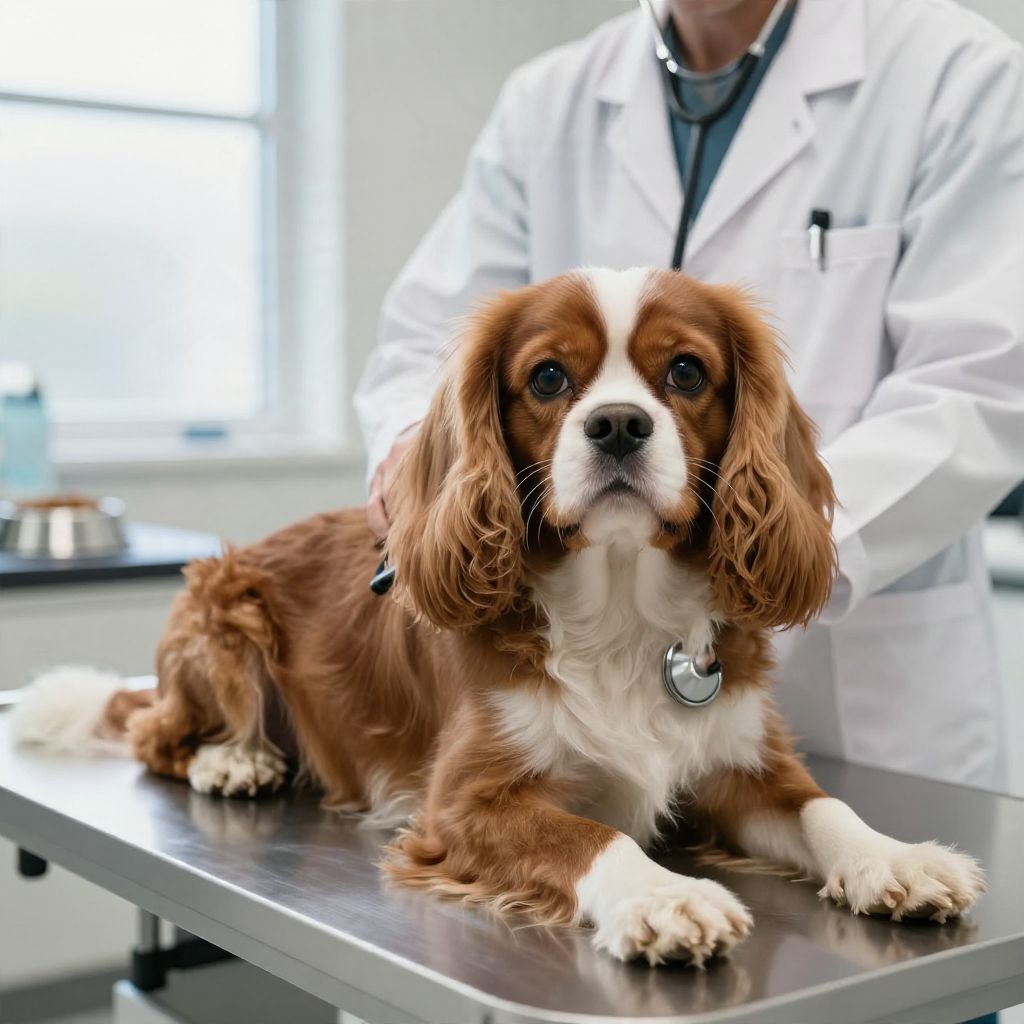
Can dogs have heart attacks? Yes, but true heart attacks are considered uncommon in dogs compared with people. More often, a dog’s collapse, weakness, or breathing trouble is caused by heart disease, an arrhythmia, or another emergency that needs prompt veterinary attention.
If your dog shows sudden distress, don’t try to watch and wait. Fast action matters, especially if your dog has trouble breathing, collapses, seems weak, or has pale or blue gums.
Can dogs have heart attacks?
Yes, dogs can have heart attacks, but the term is often used loosely. In dogs, sudden collapse is more commonly linked to heart disease, abnormal heart rhythms, blood clots, or other medical crises. Any sudden breathing change, fainting, or collapse should be treated as an urgent veterinary problem.
What a “heart attack” means in dogs
In people, a heart attack usually means blocked blood flow to part of the heart muscle. In dogs, this exact event is less commonly recognized, and many owners use “heart attack” to describe any sudden cardiac emergency.
That distinction matters because the warning signs can overlap with other serious conditions. A dog that collapses may be having a cardiac event, but it could also be experiencing a stroke, poisoning, internal bleeding, heatstroke, or severe respiratory distress.
Common causes of sudden cardiac emergencies
- Heart disease that has progressed over time, especially in older dogs.
- Abnormal heart rhythms that reduce blood flow to the brain and body.
- Congenital heart problems present from birth in some dogs.
- Blood clots or other circulation problems.
- Secondary illness such as severe infection, anemia, or endocrine disease.
Signs that need urgent veterinary care
If you are wondering whether your dog is having a heart attack, focus on the symptoms rather than the label. Sudden collapse or breathing changes are emergencies until a veterinarian says otherwise.
- Collapse or fainting
- Labored breathing, gasping, or open-mouth breathing at rest
- Blue, gray, or very pale gums
- Extreme weakness or inability to stand
- Rapid or very irregular heartbeat you can feel or see
- Distended abdomen with distress
- Confusion, disorientation, or sudden unresponsiveness
- Severe coughing with distress or collapse
Go to an emergency veterinarian immediately if your dog collapses, struggles to breathe, or has pale or blue gums. Do not give food, water, or human medication while you are trying to get help.
What to do right away if you suspect a heart emergency
- Stay calm and limit movement. Keep your dog as still and quiet as possible.
- Check breathing and gum color. Note whether the gums are pink, pale, gray, or blue.
- Call an emergency vet while you leave. Tell them your dog may be having a cardiac emergency.
- Transport safely. Use a crate, blanket, or flat surface if your dog is weak or collapsed.
- Do not delay for “watchful waiting.” Sudden collapse is not a symptom to monitor at home.
Risk factors that can make heart problems more likely
Any dog can develop a heart emergency, but some factors increase risk. These do not guarantee disease, and many dogs with risk factors never develop a crisis.
Age and health status
Older dogs are more likely to have underlying heart disease, but younger dogs can also be affected by congenital defects, infections, or rhythm problems. Dogs with chronic coughing, exercise intolerance, or known murmurs should be monitored closely by a veterinarian.
Breed tendencies
Some breeds are more likely to develop certain heart conditions, but breed is only one part of the picture. Individual health, size, and history matter too, and mixed-breed dogs can also be affected.
If your dog belongs to a breed known for heart problems, ask your veterinarian whether routine cardiac exams or screening are appropriate. Early detection can help manage disease before an emergency happens.
Body condition and lifestyle
Excess weight can make breathing and circulation harder, while poor conditioning can make exercise intolerance more noticeable. Very intense exercise in hot weather can also worsen stress on the heart and lungs.
How veterinarians evaluate a possible heart attack
A veterinarian will not rely on symptoms alone. They may listen to the heart and lungs, check oxygen levels, assess gum color and pulse quality, and recommend tests to find the cause of the episode.
Possible tests
- Physical examination and vital signs
- Chest X-rays
- Electrocardiogram to look at heart rhythm
- Blood tests to assess organ function and other causes of collapse
- Ultrasound of the heart if indicated
The exact workup depends on your dog’s signs, age, and overall condition. A veterinarian may also look for non-cardiac causes such as respiratory disease, toxin exposure, or neurologic problems.
Feeding guide for dogs with heart concerns
Food cannot treat a heart attack, but diet can support overall heart health. The safest approach is to feed a complete and balanced dog food that fits your dog’s age, size, and medical needs.
What to prioritize
- Complete, balanced nutrition rather than homemade guessing.
- Consistent meals and portion control to help maintain a healthy body condition.
- Veterinary guidance if your dog has a diagnosed heart condition.
- Fresh water available unless your veterinarian has given different instructions.
Foods and habits to avoid
- Do not use salty human foods as regular treats.
- Avoid sudden diet changes unless your veterinarian recommends them.
- Do not give supplements for the heart without veterinary advice.
- Do not rely on boutique diets or internet claims instead of medical care.
Some dogs with heart disease need special dietary adjustments, but those changes should come from your veterinarian. The right plan depends on the diagnosis, medications, kidney function, appetite, and body condition.
Can dogs eat people food if they have heart concerns?
Occasional plain, dog-safe foods may be fine in small amounts for some dogs, but people food should not become a heart-health strategy. Rich, salty, or fatty foods can be a poor choice, especially for dogs with medical problems.
If you want to use treats while supporting health, choose simple, dog-appropriate options and keep treats to a small part of the daily diet. Your veterinarian can help you decide what fits your dog’s condition.
How to reduce the risk of a sudden emergency
You cannot prevent every cardiac problem, but you can lower risk and catch trouble earlier. Small changes in routine often make a big difference for dogs with known or possible heart disease.
- Schedule regular veterinary checkups, especially for senior dogs.
- Report coughing, fainting, or exercise intolerance early.
- Keep your dog at a healthy weight.
- Use exercise that matches your dog’s age and fitness level.
- Follow medication instructions exactly if your dog has been diagnosed with heart disease.
- Keep toxic foods and medications out of reach.
Exercise: helpful, but not excessive
Most dogs benefit from regular movement, but a dog with heart disease may need a modified plan. Gentle, consistent activity is usually safer than sudden bursts of intense exercise, especially in hot or humid weather.
If your dog tires easily, coughs during activity, or seems worse after exercise, stop and contact your veterinarian. Do not push through symptoms to “build stamina.”
Common mistakes owners make
- Assuming collapse is “just old age.”
- Waiting to see if breathing problems improve on their own.
- Giving human medicines without veterinary direction.
- Overfeeding treats or salty foods to a dog with heart disease.
- Ignoring subtle signs like reduced energy or reluctance to walk.
These mistakes can delay diagnosis and make a treatable problem more dangerous. If something feels off, it is safer to ask a veterinarian sooner rather than later.
When the problem may not be a heart attack
Some signs that look cardiac can come from other emergencies. For example, sudden weakness can happen with internal bleeding, poisoning, severe pain, or neurologic disease. Breathing trouble can also come from asthma-like airway disease, fluid in the lungs, or heatstroke.
Because the symptoms overlap, the safest response is the same: treat sudden collapse, severe weakness, or breathing distress as an emergency and get veterinary help right away.
What to ask your veterinarian after an episode
If your dog has had a collapse or suspected cardiac event, write down what happened before, during, and after the episode. Details can help your veterinarian narrow the cause.
- What was your dog doing right before it happened?
- How long did the episode last?
- Were the gums pale, blue, or normal?
- Was there coughing, gagging, or vomiting?
- Has your dog had fainting, coughing, or exercise intolerance before?
- Did the episode happen after heat, excitement, or exercise?
Video of the episode, if you can safely capture it, may also help your veterinarian identify the problem.
Bottom line
Can dogs have heart attacks? Yes, but sudden collapse in dogs is often caused by other serious heart or breathing emergencies. If your dog has fainting, labored breathing, pale gums, or sudden weakness, seek urgent veterinary care immediately. For ongoing heart health, use balanced food, regular checkups, and prompt attention to early warning signs.
If you want to learn more about related emergencies, you may also find it helpful to read about whether dogs can have strokes and why dogs breathe heavily.