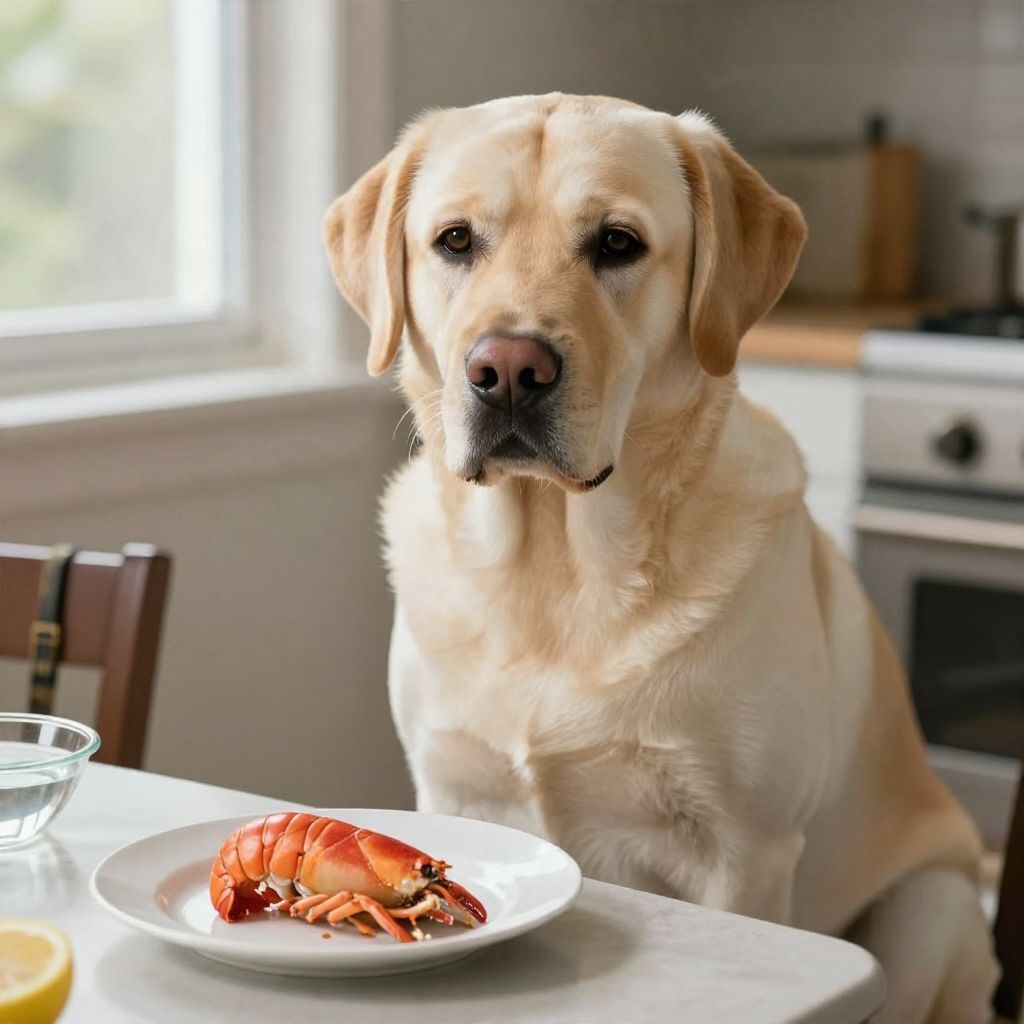
Can dogs have lobster? In small amounts, plain cooked lobster meat is usually not toxic to dogs, but it is not an ideal everyday food. The main concerns are shell fragments, heavy seasoning, butter, garlic, and rich preparation methods that can upset your dog’s stomach or cause injury.
If you want to share lobster, keep it simple: fully cooked, unseasoned, and served in a tiny portion. Dogs with pancreatitis, food sensitivities, or a history of digestive upset should avoid it unless your veterinarian says otherwise.
Can Dogs Have Lobster?
Yes, dogs can have a small amount of plain, fully cooked lobster meat as an occasional treat. It should be free of shell, butter, garlic, onion, salt, spices, and sauces. Because lobster is rich and often prepared with unsafe ingredients, it is best treated as an occasional bite, not a regular snack.
Is Lobster Safe for Dogs?
Plain lobster meat is generally safe for most healthy dogs in moderation, but the way it is served matters more than the seafood itself. The biggest risks are choking, digestive upset, and exposure to toxic seasonings or fatty add-ons.
What makes lobster risky?
- Shell fragments can splinter and injure the mouth, throat, stomach, or intestines.
- Butter and oil can trigger vomiting, diarrhea, or pancreatitis in some dogs.
- Garlic and onion are unsafe for dogs and may be hidden in seasoning, sauces, or compound butter.
- Salt and spices can irritate the stomach and are unnecessary for dogs.
- Rich restaurant portions are often too heavy for a dog’s digestive system.
How to Feed Lobster to a Dog Safely
If you decide to offer lobster, keep the portion very small and prepare it carefully. The safest version is plain, fully cooked meat with no shell or seasoning.
- Use only lobster that is thoroughly cooked.
- Remove every bit of shell and cartilage.
- Do not add butter, garlic, onion, salt, or sauce.
- Offer just a small taste, especially the first time.
- Watch your dog afterward for stomach upset or unusual behavior.
How much lobster can a dog have?
There is no universal serving size that fits every dog. The right amount depends on your dog’s size, health, and usual diet, but the safest approach is to keep lobster to a very small treat portion rather than a meal replacement.
A tiny piece may be enough for a small dog, while a larger dog may tolerate a bit more. Even so, it should remain an occasional treat and not exceed a small part of your dog’s daily calories.
When Lobster Is Not a Good Idea
Some dogs should avoid lobster altogether, even if it is plain and cooked. If your dog has a sensitive stomach or a medical condition that affects fat tolerance, seafood treats may not be worth the risk.
Skip lobster if your dog has:
- A history of pancreatitis
- Chronic vomiting or diarrhea
- Food allergies or suspected food intolerance
- A very sensitive digestive system
- A veterinarian-recommended low-fat diet
Puppies can be especially prone to stomach upset from rich foods, and older dogs may have medical conditions that make unfamiliar treats harder to tolerate. If you are unsure, ask your veterinarian before offering seafood.
Can Dogs Eat Lobster Shell?
No, dogs should not eat lobster shell. Shells are hard, sharp, and difficult to digest, so they can cause choking or internal injury. Even small shell pieces can be dangerous, especially for small dogs or dogs that gulp food quickly.
If your dog has eaten shell, monitor closely and contact your veterinarian if you notice coughing, gagging, drooling, vomiting, abdominal pain, constipation, or trouble passing stool.
Signs Your Dog May Not Tolerate Lobster
Even a small amount of lobster can upset some dogs. Mild digestive signs may pass on their own, but ongoing or severe symptoms need veterinary guidance.
- Vomiting
- Diarrhea
- Excessive drooling
- Refusing food
- Restlessness or discomfort
- Abdominal pain or a hunched posture
Urgent veterinary care is needed if your dog has repeated vomiting, a swollen abdomen, severe pain, weakness, collapse, trouble breathing, or signs of choking. If your dog may have eaten shell, a large amount of rich lobster, or lobster with garlic or onion seasoning, call your vet promptly.
What About Lobster Bisque, Rolls, or Restaurant Leftovers?
These are usually poor choices for dogs. They often contain butter, cream, salt, garlic, onion, breading, or other ingredients that can be hard on your dog’s stomach or unsafe in larger amounts.
Safer rule of thumb
- Plain cooked lobster meat: usually acceptable in a small amount for healthy dogs
- Lobster with seasoning or butter: best avoided
- Lobster bisque or creamy dishes: avoid
- Shells and tail pieces with hard edges: avoid
Can Puppies Have Lobster?
Puppies can be more likely than adult dogs to get diarrhea or vomiting from rich or unfamiliar foods. Their digestive systems are still developing, so lobster is usually not the best treat choice for them.
If you want to share a tiny taste, keep it very plain and very small, and only if your puppy is healthy and your veterinarian has not advised a restricted diet. For most puppies, a safer reward is their regular puppy food or a vet-approved treat.
Can Senior Dogs Have Lobster?
Senior dogs may be more likely to have pancreatitis, kidney disease, dental issues, or other health concerns that make rich foods harder to handle. A small amount of plain lobster may be fine for some healthy seniors, but it is not automatically a safe choice for every older dog.
If your senior dog has a medical condition or takes medication, ask your veterinarian before offering lobster. Older dogs also may chew less carefully, which increases the risk from shell fragments or tough pieces.
What to Do If Your Dog Eats Unsafe Lobster
If your dog gets into lobster that includes shell, heavy seasoning, garlic, onion, or a large amount of butter, act quickly. Early guidance from a veterinarian can help you decide whether your dog needs monitoring or immediate care.
- Remove any remaining lobster or shell.
- Check the ingredients if it came from a restaurant or packaged dish.
- Call your veterinarian or an emergency clinic for advice.
- Watch for vomiting, diarrhea, pain, weakness, or choking signs.
Do not try to make your dog vomit unless a veterinarian specifically instructs you to do so. Some situations, including shell ingestion or breathing trouble, can become more dangerous if handled incorrectly.
Healthier Treat Alternatives
If you want to give your dog a special snack, a simpler treat is often safer than seafood leftovers. Choose treats that are easy to digest and fit your dog’s normal diet.
- Small pieces of plain cooked chicken
- Plain cooked turkey
- Dog-safe commercial treats
- Fresh vegetables your dog tolerates well, such as carrot or green bean pieces
Any treat should stay within your dog’s daily calorie needs. Treats are best used as occasional rewards, not a major part of the diet.
Bottom Line
Can dogs have lobster? Yes, but only plain, fully cooked lobster meat in a very small amount, and only if your dog is healthy enough to tolerate it. Avoid shell, butter, garlic, onion, sauces, and rich restaurant dishes. If your dog has a medical condition or shows any stomach upset after eating lobster, contact your veterinarian.
If you want to compare seafood safety, you may also find these guides helpful: can dogs eat crab meat and can dogs eat smoked salmon.