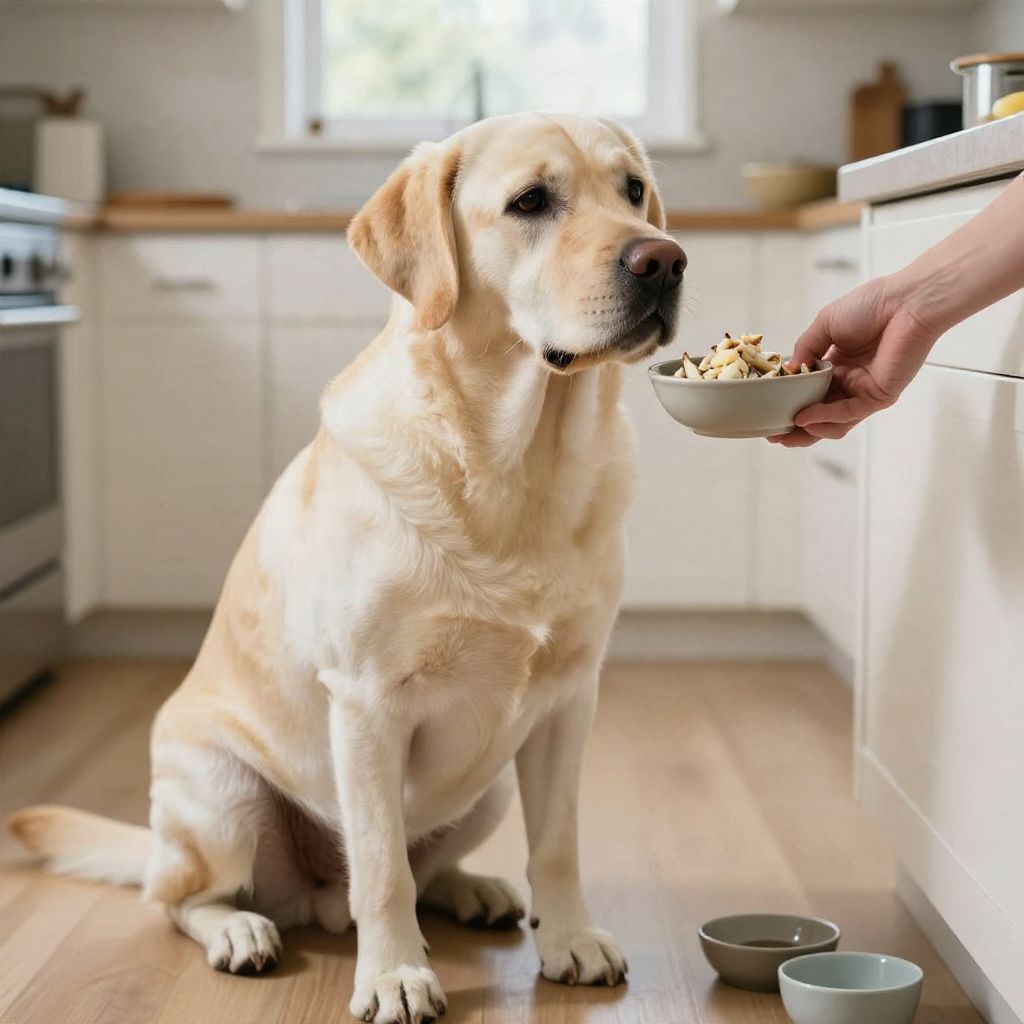
Can dogs eat crab meat? In many cases, yes—plain, fully cooked crab meat can be an occasional treat for healthy dogs. The key is to keep it simple, remove all shells, and avoid seasonings, butter, garlic, onion, and salty sauces.
Crab is not a necessary part of a dog’s diet, and some dogs should avoid it because of allergies, stomach sensitivity, or medical issues. If your dog has never eaten crab before, start with a very small amount and watch closely for vomiting, diarrhea, itching, or swelling.
Can Dogs Eat Crab Meat?
Yes, dogs can usually eat small amounts of plain, cooked crab meat as an occasional treat. It should be fully cooked, shell-free, and served without seasoning, sauces, or added fats. Raw crab, crab shells, and heavily seasoned crab dishes are unsafe and can upset your dog’s stomach or cause injury.
When Crab Meat Is Safe for Dogs
Crab meat can be a reasonable treat when it is prepared the right way. Think of it as a small extra, not a regular food or a replacement for complete dog food.
Safer ways to serve crab
- Plain and cooked only.
- Fully shelled with no hard pieces left behind.
- Unseasoned or seasoned only with nothing added that is unsafe for dogs.
- Small portions appropriate for your dog’s size and tolerance.
Why plain crab is the better choice
Plain crab meat is mostly protein and can be appealing to dogs. The problem is usually not the crab itself, but the way people prepare and serve it. Butter, salt, garlic, onion, spices, and rich sauces can all make it much less suitable.
Risks of Feeding Crab Meat to Dogs
Even when crab meat is cooked, there are several risks to keep in mind. Some are minor digestive issues, while others can be serious enough to need veterinary care.
1. Shell fragments and choking
Crab shells are hard, sharp, and not digestible. Small pieces can cause choking, mouth injuries, or damage to the throat and digestive tract. Never give your dog crab legs, claws, or shell pieces to chew on.
2. Seasonings and rich ingredients
Many crab dishes contain ingredients that are not dog-safe or that can irritate the stomach. Common concerns include:
- Garlic
- Onion
- Large amounts of salt
- Butter or cream-based sauces
- Hot spices or heavy seasoning blends
These can lead to vomiting, diarrhea, abdominal discomfort, or more serious problems depending on what was added and how much your dog ate.
3. Food sensitivity or allergy
Some dogs do not tolerate seafood well. A food allergy or sensitivity may show up as itching, ear irritation, paw licking, vomiting, or loose stool. A dog that has reacted to fish, shellfish, or other proteins before may be more likely to react again, but any individual dog can develop a problem.
4. Stomach upset from rich food
Crab can be richer than your dog’s usual diet, especially if it is served with butter or mixed into a human meal. Sudden dietary changes can trigger vomiting or diarrhea, particularly in puppies, senior dogs, and dogs with sensitive stomachs.
5. Foodborne illness from raw seafood
Raw or undercooked crab is not a good choice for dogs. It may carry bacteria or parasites that can make your dog sick. If you want to offer seafood, cooked and plain is the safer route.
How Much Crab Meat Can a Dog Have?
There is no universal serving size that fits every dog. The right amount depends on your dog’s size, health, and how well they usually handle new foods. As a general rule, crab should stay as a tiny treat and not make up a meaningful part of the meal.
A practical portion guide
- Tiny dogs: a very small bite or two.
- Medium dogs: a small spoonful at most.
- Large dogs: a little more may be tolerated, but still only as an occasional treat.
If you are unsure, give less rather than more. Treats of any kind should stay limited so your dog still gets balanced nutrition from a complete dog food.
Start slowly the first time
- Offer a tiny amount of plain cooked crab.
- Do not mix it with other new foods.
- Watch your dog for 24 hours.
- Stop feeding crab if you notice stomach upset or itching.
Dogs That Should Avoid Crab Meat
Some dogs are better off skipping crab altogether, or only eating it after your veterinarian says it is appropriate.
- Dogs with known food allergies or suspected seafood sensitivity.
- Dogs with pancreatitis or a history of fatty-food stomach upset.
- Dogs with chronic digestive problems such as frequent vomiting or diarrhea.
- Dogs on special veterinary diets where extra treats may interfere with treatment.
- Puppies with very sensitive stomachs, especially if they are still adjusting to a stable diet.
- Dogs with kidney, heart, or other medical issues that require strict sodium control.
Signs Your Dog Did Not Tolerate Crab Well
Mild stomach upset can happen after any new food, but some signs mean you should pay closer attention. If symptoms are brief and mild, contact your veterinarian for advice if they continue or recur.
Common mild signs
- Vomiting
- Loose stool or diarrhea
- Gas
- Reduced appetite
- Itching or licking after eating
Red-flag symptoms that need urgent veterinary care
- Repeated vomiting
- Bloody vomit or stool
- Swelling of the face, lips, or throat
- Difficulty breathing
- Collapse, extreme weakness, or severe lethargy
- Choking, gagging, or trouble swallowing
- Signs of abdominal pain, such as a tense belly or repeated pacing
If your dog ate crab shell, a large amount of seasoned crab, or anything with garlic or onion, call your veterinarian or an emergency clinic promptly for guidance.
What About Crab Cakes, Crab Legs, and Crab Dip?
These are usually poor choices for dogs because they often contain ingredients that are unsafe or too rich. The crab itself may be fine in small amounts, but the rest of the dish is the problem.
Crab cakes
Crab cakes often contain breadcrumbs, seasoning, onion, garlic, salt, butter, and frying oil. They are not a good dog treat.
Crab legs
Crab legs are a shell hazard. Even if you remove some meat, small splinters or shell fragments can still be dangerous.
Crab dip or creamy crab dishes
These often include dairy, salt, spices, and other rich ingredients that can upset your dog’s stomach. Avoid them.
How to Feed Crab Meat Safely
If you want to share a small amount of crab with your dog, keep the preparation simple and controlled. This reduces risk and makes it easier to tell whether your dog tolerates it.
- Choose plain, cooked crab meat.
- Remove every bit of shell and cartilage you can find.
- Do not add butter, salt, garlic, onion, or seasoning.
- Offer only a tiny amount the first time.
- Monitor your dog afterward for digestive upset or itching.
Good habits to follow
- Keep crab as an occasional treat.
- Use it only when your dog is otherwise healthy.
- Count it as part of your dog’s total daily treats.
- Stop if your dog shows any reaction.
Can Puppies Eat Crab Meat?
Puppies can be more sensitive to dietary changes than adult dogs. While a tiny amount of plain cooked crab is not automatically dangerous, it is usually not the best first-choice treat for a young dog.
If you do offer it, keep the portion very small and make sure your puppy is already eating a balanced puppy diet well. Ask your veterinarian first if your puppy has a sensitive stomach, a history of diarrhea, or any health concerns.
Can Senior Dogs Eat Crab Meat?
Some senior dogs can enjoy a small amount of plain cooked crab if they tolerate new foods well. However, older dogs are more likely to have medical issues that make seafood less suitable, such as digestive sensitivity or conditions requiring a low-sodium diet.
If your older dog has a delicate stomach, kidney disease, heart disease, or a history of pancreatitis, check with your veterinarian before offering crab.
What If Your Dog Already Ate Crab Meat?
If your dog stole a small piece of plain cooked crab meat, they may be fine. Watch for stomach upset and make sure they have access to water. If the crab was seasoned, came from a rich dish, or included shell pieces, the risk is higher.
Contact a veterinarian right away if your dog ate:
- Crab shell or sharp fragments
- Food with garlic or onion
- A large amount of crab dip, crab cake, or buttery crab
- Anything that causes choking, vomiting, or distress
Bottom Line: Is Crab Meat Good for Dogs?
Crab meat can be a safe occasional treat for many dogs when it is plain, cooked, and fully shell-free. The biggest dangers are seasoning, shell fragments, raw seafood, and rich mixed dishes. If your dog has a sensitive stomach or a medical condition, ask your veterinarian before sharing any crab.
If you want to learn more about seafood safety for dogs, you may also find can dogs eat raw fish and is shrimp bad for dogs helpful for comparing safer seafood options.