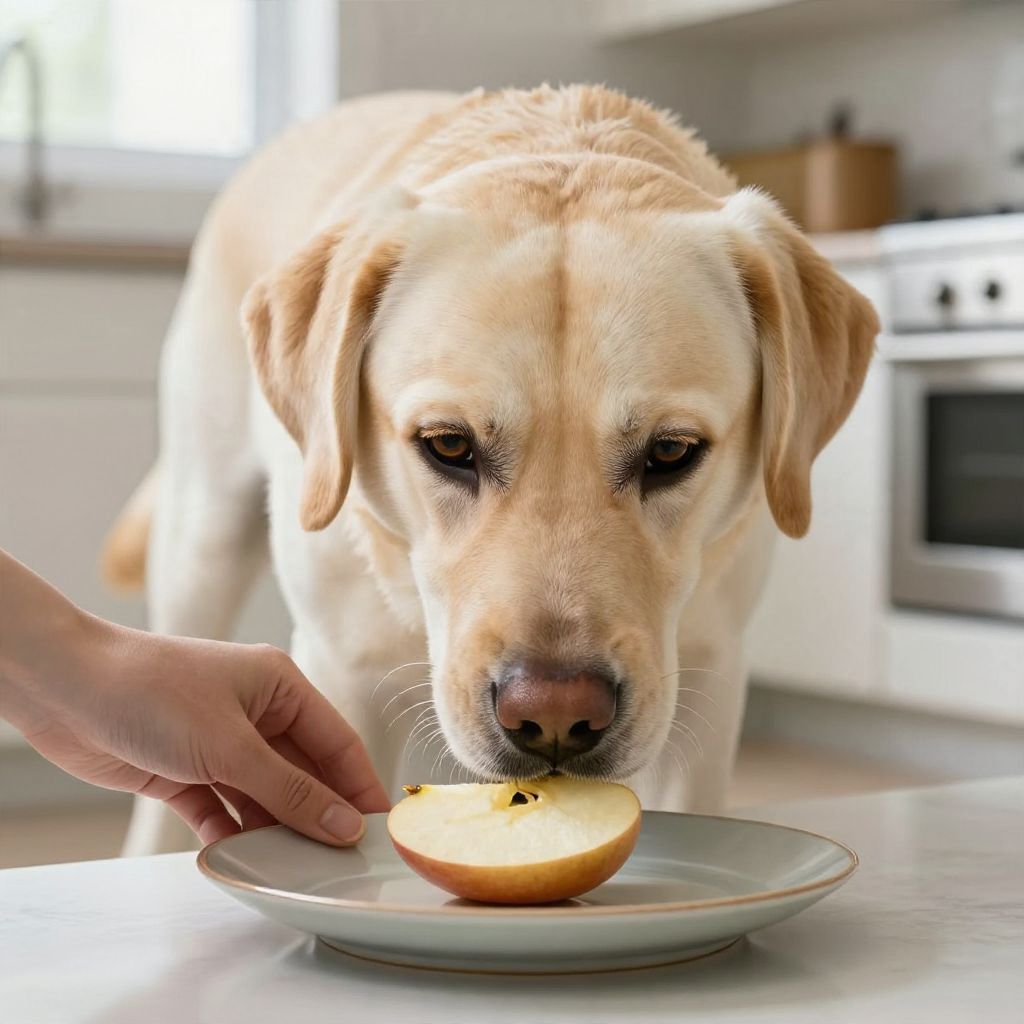
Can dogs taste sweet? Yes, dogs can detect sweet flavors, though not always in the same way humans do. Their taste buds are fewer than ours, so smell matters even more to how food seems “flavorful.”
That said, sweet-tasting foods are not automatically safe for dogs. Some sugary treats are harmless in small amounts, while others can be dangerous because of ingredients like xylitol, chocolate, raisins, or too much fat.
Can dogs taste sweet?
Yes. Dogs can taste sweet, but their sense of taste is less sensitive than a human’s, so sweetness is only one part of how they experience food. Smell, texture, and temperature often influence what they like more than sweetness alone.
How a dog’s sense of taste works
Dogs have taste buds for sweet, salty, sour, bitter, and umami flavors. They also have a strong preference for foods that smell appealing, which is why many dogs seem interested in sweet fruits, baked goods, or flavored treats.
Because dogs rely heavily on smell, a food may seem “sweet” to you but be attractive to your dog for other reasons, such as fat content or aroma. Individual preferences vary by age, breed tendencies, past diet, and health.
Why some dogs seem to love sweet foods
- Smell drives interest: Many sweet foods are also aromatic.
- Texture matters: Soft, chewy, or crunchy foods can be appealing.
- Learning history matters: Dogs may seek foods they have tasted before.
- Health and age matter: Appetite changes can affect what a dog wants to eat.
Is sweet food safe for dogs?
Sometimes, but not always. A food being sweet does not make it safe, and many sweet human foods contain ingredients that are harmful to dogs. The safest approach is to treat sweet foods as occasional extras, not regular snacks.
Sweet foods that may be okay in small amounts
Plain, dog-safe fruits can be offered as occasional treats if your veterinarian has not restricted your dog’s diet. Keep portions small and introduce new foods gradually.
- Apple slices without seeds or core
- Blueberries
- Banana in small pieces
- Watermelon without seeds or rind
- Plain mango in small amounts
Sweet foods that are unsafe or risky
- Xylitol: A sugar substitute that can be extremely dangerous to dogs.
- Chocolate: Toxic to dogs and sometimes combined with sugar or caramel.
- Grapes and raisins: Unsafe even though they are sweet.
- Pastries, candy, and baked goods: Often high in sugar, fat, and unsafe ingredients.
- Ice cream and rich desserts: May trigger stomach upset or pancreatitis, especially in sensitive dogs.
What to do if your dog eats a sweet treat
If your dog ate a small amount of a plain, dog-safe sweet food, monitor for stomach upset. If the food may contain xylitol, chocolate, raisins, or another toxic ingredient, contact a veterinarian or pet poison resource right away.
- Check the ingredient list if possible.
- Estimate how much your dog ate and when.
- Call your veterinarian for guidance.
- Seek urgent help if the food may be toxic.
Emergency warning signs
Get immediate veterinary help if your dog has any of these after eating a sweet food:
- Vomiting repeatedly
- Severe lethargy or collapse
- Tremors, seizures, or unsteady walking
- Bloated abdomen or obvious pain
- Difficulty breathing
- Signs of low blood sugar, such as weakness, wobbliness, or confusion
Why sugar is not a good treat strategy
Even when a sweet food is not toxic, too much sugar is not healthy for dogs. Frequent sugary snacks can add unnecessary calories and may contribute to weight gain, dental problems, and digestive upset.
Dogs with diabetes, pancreatitis, sensitive stomachs, obesity, or certain other medical conditions may need stricter food limits. If your dog has a health condition, ask your veterinarian what treats are appropriate.
Better treat choices than sugary foods
- Small pieces of your dog’s regular kibble
- Plain cooked vegetables your vet approves
- Dog-specific training treats used sparingly
- Small portions of dog-safe fruit
Do puppies taste sweet differently?
Puppies can taste sweet too, but they are especially likely to explore food with their mouths. That makes safe treat choices and supervision important, because puppies may swallow things quickly without understanding the risk.
Keep puppy treats simple and age-appropriate. Avoid sugary human foods, and be especially careful with choking hazards, rich foods, and anything containing toxic ingredients.
Do older dogs lose interest in sweet foods?
Some senior dogs become pickier, while others seek more palatable foods as their senses change with age. A sudden change in appetite, however, is not just a preference issue and can signal dental pain, nausea, or another medical problem.
If an older dog stops eating or seems unusually interested in sweet, soft foods, schedule a veterinary visit. Dental disease, oral pain, and chronic illness can all affect eating behavior.
When sweet cravings may point to a problem
Most dogs that like sweet foods are simply responding to taste and smell. But if your dog suddenly becomes fixated on unusual foods, steals food more often, or seems constantly hungry, it is worth discussing with your veterinarian.
Possible concerns can include diet imbalance, medication effects, dental discomfort, or medical conditions that change appetite. You should not assume the behavior is harmless if it appears suddenly or comes with other symptoms.
How to offer sweet foods safely
If you want to give your dog a sweet-tasting treat, keep it simple and controlled. Use dog-safe foods only, and make sure they fit your dog’s overall diet and health needs.
- Choose a plain, dog-safe fruit or a veterinary-approved treat.
- Remove seeds, pits, cores, peels, or rinds if needed.
- Cut it into small pieces to reduce choking risk.
- Offer only a small amount the first time.
- Watch for vomiting, diarrhea, itching, or unusual behavior afterward.
Common mistakes to avoid
- Assuming “natural” means safe
- Giving candy or baked goods as treats
- Sharing foods with artificial sweeteners
- Using sweet snacks too often during training
- Ignoring stomach upset after a new food
Frequently asked concerns about dogs and sweet taste
Can dogs taste sugar the same way people do?
Not exactly. Dogs can detect sweetness, but their overall taste experience depends more on smell and texture than on sweetness alone.
Do dogs prefer sweet foods?
Some do, but preferences vary. Many dogs are drawn to the smell or fat content of a food rather than sweetness itself.
Is fruit better than candy for dogs?
Usually yes, if the fruit is dog-safe and served in moderation. Candy often contains sugar, fat, or ingredients that can be harmful.
Should I worry if my dog licks sweet foods?
Occasional licking is not usually a problem if the food is safe. If the food contains xylitol, chocolate, raisins, or another dangerous ingredient, treat it as an urgent issue.
Conclusion
Yes, dogs can taste sweet, but that does not mean sweet foods are safe or healthy for them. Stick to dog-safe treats, avoid toxic ingredients, and call your veterinarian promptly if your dog eats something risky or shows warning signs.
If you want more guidance on specific sweet foods, you may also find these helpful: can dogs eat dried mango and is white chocolate bad for dogs.