
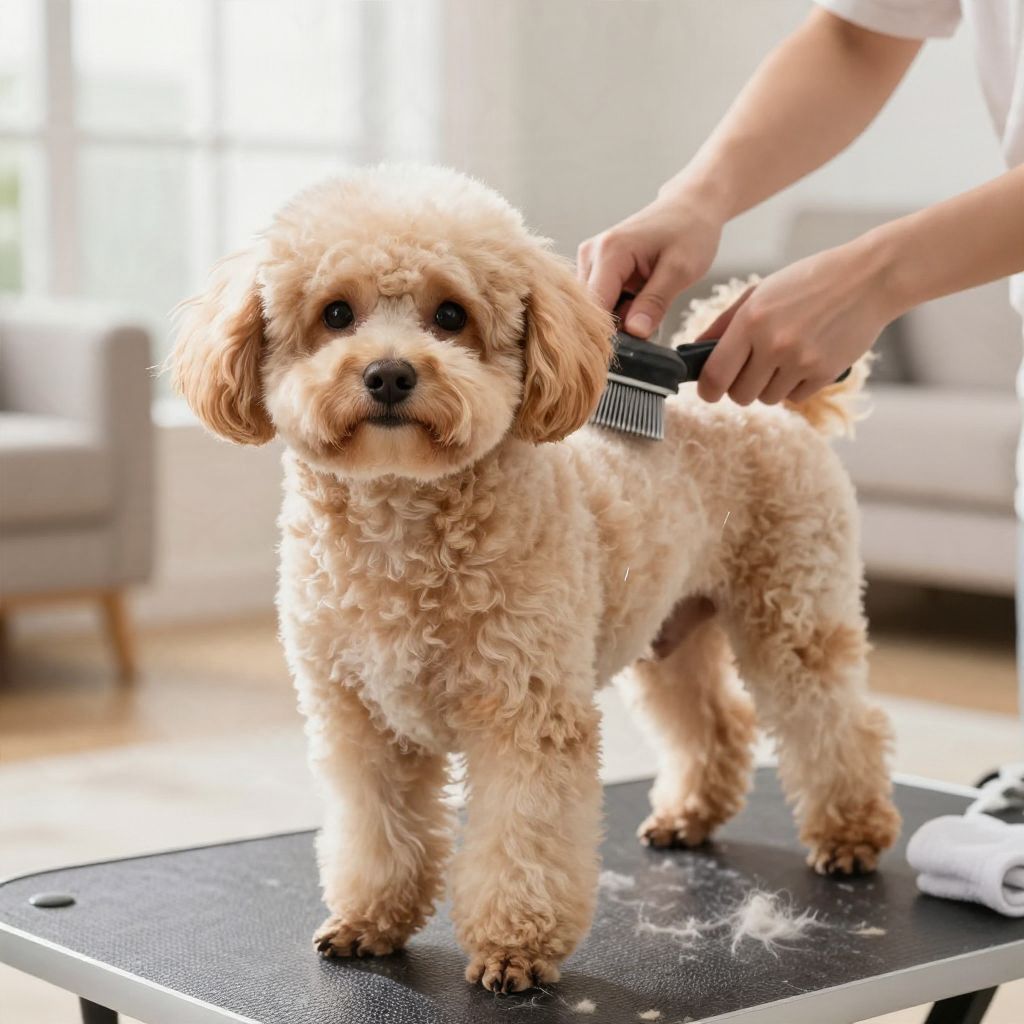
If you’re wondering, “Do Maltipoos shed?” the short answer is yes, but usually very little. Many Maltipoos are considered low-shedding dogs because they often inherit a poodle-like coat, yet individual coats can vary a lot.
How much hair ends up on your furniture depends on the dog’s genetics, coat type, grooming routine, and overall health. A Maltipoo that is brushed regularly and kept healthy will usually leave less loose hair around the home than a dog with a neglected or changing coat.
Do Maltipoos Shed?
Maltipoos usually shed minimally, but they are not truly non-shedding. Some lose only a small amount of hair, while others shed more as their coat changes with age, grooming, or coat texture. Regular brushing helps catch loose hair before it falls around your home.
Why Maltipoo Shedding Varies
Maltipoos are a mixed-breed dog, so coat traits can differ from one dog to another. Some take after the poodle parent more closely, with a curlier, lower-shedding coat. Others may have a softer, straighter, or wavier coat that sheds a bit more.
Common reasons shedding changes
- Genetics: Coat type is the biggest factor.
- Age: Puppies often go through coat changes as they mature.
- Grooming: Matted hair traps loose fur and can make shedding seem worse.
- Seasonal changes: Some dogs shed more at certain times of year.
- Health: Skin irritation, allergies, parasites, or illness can increase hair loss.
What a Maltipoo Coat Is Usually Like
Maltipoo coats are often described as soft and fluffy, but that does not guarantee a specific shedding level. The coat may be curly, wavy, or straighter, and each texture behaves differently. Curly coats often trap loose hair until brushing, while straighter coats may leave more hair on surfaces.
If you are choosing a Maltipoo, it helps to meet the puppy’s parents if possible and ask about coat type. Even then, coat changes can continue as the dog grows, so no one can promise a completely shed-free dog.
How to Reduce Maltipoo Shedding at Home
You cannot stop normal shedding entirely, but you can reduce loose hair and keep your dog more comfortable. A consistent grooming routine is the most effective approach.
Helpful grooming habits
- Brush your Maltipoo several times a week, or more often if the coat tangles easily.
- Use a brush or comb suited to your dog’s coat type.
- Check behind the ears, under the legs, and around the collar area for mats.
- Schedule regular trims with a professional groomer if the coat grows long.
- Bathe only as needed with a dog-safe shampoo to avoid drying the skin.
Brushing does more than reduce loose hair. It also helps you spot skin problems early, such as redness, dandruff, bumps, or areas where your dog is scratching excessively.
When Shedding May Signal a Health Problem
Some hair loss is normal, but sudden or heavy shedding can point to a health issue. If your Maltipoo’s coat changes quickly or the skin looks irritated, it is a good idea to contact your veterinarian.
Watch for these warning signs
- Bald patches or thinning in one area
- Itching, licking, or chewing at the skin
- Red, flaky, greasy, or smelly skin
- Scabs, sores, or crusts
- Hair loss along with weight loss, low energy, or appetite changes
Seek prompt veterinary care if hair loss comes with swelling, open wounds, intense itching, severe pain, or signs of infection. If your dog seems unwell overall, do not assume it is “just shedding.”
Puppy Coat Changes: What New Owners Should Expect
Maltipoo puppies often have a soft baby coat that changes as they grow. During this transition, you may notice more loose hair, more tangles, or a different coat texture than you expected. This is normal for many dogs and does not necessarily mean anything is wrong.
During coat changes, increase brushing and keep grooming sessions short and positive. If your puppy resists brushing, use treats, gentle handling, and brief practice sessions so grooming stays calm and manageable.
Grooming Tips for a Low-Shed Home
If you want to keep shedding under control, grooming consistency matters more than any single product. A well-groomed Maltipoo usually leaves less hair on clothing, bedding, and floors.
Simple home-care routine
- Brush on a regular schedule instead of waiting for tangles.
- Keep the coat trimmed to a length you can maintain.
- Wipe paws and coat after outdoor play if debris collects easily.
- Monitor ears, eyes, and skin during grooming.
- Use a lint roller or vacuum for normal household cleanup.
Be careful not to overbathe. Too much bathing can dry the skin and make irritation worse, which may increase scratching and hair loss. If you are unsure how often to bathe your dog, ask your groomer or veterinarian.
Nutrition, Allergies, and Coat Health
A balanced diet supports healthy skin and coat, but food alone will not determine whether a Maltipoo sheds. Poor nutrition can contribute to dull fur or increased shedding, while allergies or sensitivities may cause itching and hair loss.
If you suspect a food issue, do not switch diets repeatedly on your own. Talk with your veterinarian before making major changes, especially if your dog has ongoing skin problems, digestive upset, or recurrent ear infections.
Possible diet-related clues
- Itchy skin without another obvious cause
- Frequent ear problems
- Loose stool or vomiting along with skin changes
- Persistent licking of paws or belly
Do Maltipoos Shed Less Than Other Dogs?
Many Maltipoos shed less than average compared with heavy-shedding breeds, but the amount varies from dog to dog. Some owners find their Maltipoo is very low-shedding, while others notice more loose hair than expected, especially during brushing or coat changes.
If low shedding is your top priority, remember that no dog is completely maintenance-free. A Maltipoo may be a good fit if you are willing to keep up with grooming, but the coat still needs regular care.
Common Mistakes That Can Make Shedding Seem Worse
Sometimes the problem is not excessive shedding itself, but coat care that allows loose hair to build up. A few common mistakes can make the home seem hairier than it needs to be.
- Skipping brushing for long periods
- Letting mats form under the ears, legs, or collar
- Using the wrong grooming tools for the coat
- Ignoring scratching or skin redness
- Waiting too long between trims
If your Maltipoo seems to shed more after a grooming change, check whether the coat was clipped too short, brushed too aggressively, or left tangled. A groomer can help you adjust the routine to suit your dog’s coat type.
When to Call the Veterinarian
Contact your veterinarian if shedding becomes sudden, patchy, or severe, or if your dog seems uncomfortable. Skin and coat changes can be linked to allergies, parasites, hormonal issues, infections, or other medical problems that need proper diagnosis.
Get urgent veterinary help if your Maltipoo has trouble breathing, collapses, has facial swelling, or develops a rapidly worsening skin reaction. Those signs are not normal shedding concerns and should be treated as emergencies.
Bottom Line
Maltipoos usually shed very little, but they are not guaranteed to be non-shedding. Coat type, grooming, age, and health all affect how much loose hair you will see. With regular brushing, routine grooming, and attention to skin health, you can keep shedding manageable and your dog comfortable.
If you’re comparing coat care across breeds, you may also find it helpful to read about whether Maltese shed and whether Cavapoos shed.