
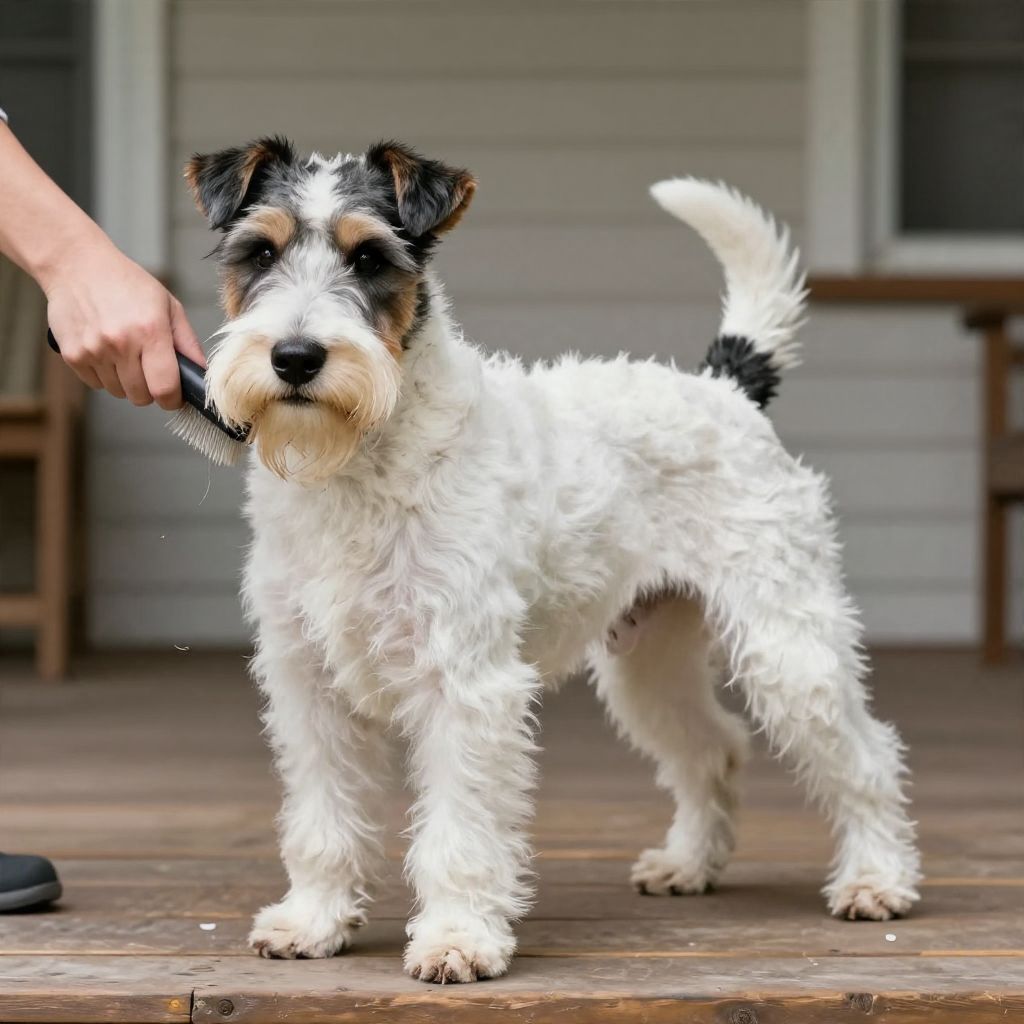
Do terriers shed? Yes, most terriers do shed, but the amount varies a lot by breed, coat type, season, health, and grooming routine. Some terriers shed lightly and are easy to manage, while others leave more hair around the house than you might expect.
If you’re considering a terrier or already live with one, the good news is that shedding is often manageable with the right grooming, diet, and coat care. Understanding your dog’s specific coat is more useful than assuming all terriers shed the same way.
Do Terriers Shed?
Yes, terriers shed, but shedding is usually moderate to light in many terrier breeds. Wire-coated and some rough-coated terriers often lose less visible hair than smooth-coated terriers, though individual dogs can vary. Shedding may increase with seasons, stress, skin problems, or poor coat care.
Why Terrier Shedding Varies So Much
“Terrier” describes a group of breeds, not one coat type. That means shedding depends more on the individual dog’s coat than on the word terrier itself.
Coat type matters most
- Wire-coated terriers often shed less visibly, but their dead coat may need hand-stripping or professional grooming.
- Smooth-coated terriers may shed more noticeably because short hairs fall onto furniture and clothing more easily.
- Double-coated terriers can shed seasonally, especially during coat changes.
Age and health also affect shedding
Puppies, adults, and seniors may all shed differently. Hormonal changes, skin allergies, parasites, poor nutrition, and some medical conditions can increase shedding or cause patchy hair loss.
Which Terriers Shed the Most or Least?
There is no perfect “non-shedding” terrier. If you want a low-shedding dog, focus on coat texture and grooming needs rather than breed labels alone.
- Often lower-shedding: many wire-coated terriers with proper coat maintenance.
- Often more noticeable shedding: smooth-coated terriers and some short-haired terrier mixes.
- Variable shedding: mixed-breed terriers, which may inherit different coat traits from each parent.
Even a low-shedding terrier still needs regular grooming. A coat that sheds less visibly can still mat, trap dirt, or hold dead hair if it is not cared for properly.
How to Manage Terrier Shedding at Home
Good grooming is the most effective way to reduce loose hair and keep your terrier comfortable. The right routine depends on coat type, but consistency matters for every dog.
Brush the coat regularly
- Use a brush or comb suited to your terrier’s coat.
- Brush more often during seasonal shedding.
- Pay attention to the legs, chest, belly, and behind the ears, where tangles can form.
Use professional grooming when needed
Some terriers benefit from hand-stripping or breed-appropriate trimming. If you are unsure how to maintain the coat, ask a groomer familiar with terriers rather than guessing and risking coat damage.
Bathe only as needed
Too-frequent bathing can dry the skin and worsen shedding in some dogs. Use a dog-safe shampoo and follow your veterinarian’s advice if your terrier has sensitive skin, allergies, or dandruff.
Support skin and coat health
- Feed a complete, balanced diet.
- Keep parasite prevention current.
- Make sure your dog always has fresh water.
- Address scratching, redness, or flaking early.
When Shedding Is Normal and When It Is Not
Some shedding is expected. What matters is whether the coat and skin look healthy and whether hair loss seems even and gradual rather than sudden or patchy.
Usually normal
- Light hair on bedding, floors, or clothing
- Seasonal increases in shedding
- Loose hair that comes out during brushing
Possible warning signs
- Bald spots or thinning patches
- Red, itchy, greasy, or flaky skin
- Frequent scratching, licking, or chewing
- Bad odor from the skin
- Sudden increase in shedding
If you notice these signs, a veterinarian should check for allergies, parasites, infection, hormonal disease, or other causes. Do not assume it is “just shedding” if the coat changes quickly or your dog seems uncomfortable.
Temperament and Care: What Terrier Owners Should Expect
Terriers are often described as energetic, alert, and determined, but individual personalities vary widely. Your dog may be bold and busy, or calmer and more reserved, depending on breed mix, age, training, and life experience.
Exercise and enrichment help with grooming tolerance
A well-exercised terrier is often easier to groom because they are less restless. Short training sessions, puzzle toys, sniff walks, and play can also reduce stress around brushing and bathing.
Reward-based training makes grooming easier
- Pair brushing with treats and calm praise.
- Start with very short sessions.
- Stop before your dog becomes overwhelmed.
- Build up slowly to handling paws, ears, and tail.
This approach is especially helpful for young dogs and rescues that may not be used to coat care. Avoid forcing grooming, which can create fear and make future care harder.
Common Mistakes That Can Make Terrier Shedding Worse
Some owners unintentionally increase shedding by using the wrong tools or overlooking skin health. Small changes in routine can make a big difference.
- Skipping regular brushing, which lets loose hair build up.
- Using the wrong grooming tool for a wire or smooth coat.
- Bathing too often, which can dry the skin.
- Ignoring itching or dandruff until the coat worsens.
- Assuming all terriers are low-shedding and choosing a breed without researching coat needs.
Does Diet Affect Terrier Shedding?
Yes, diet can affect coat quality, although food is not a magic fix. A balanced, complete diet supports healthy skin and hair growth, while poor nutrition can contribute to a dull coat and excess shedding.
If your terrier’s coat looks dry or thin, talk with your veterinarian before changing foods repeatedly. They can help you rule out allergies, parasites, or medical problems and decide whether a diet change is appropriate.
Special Considerations for Puppies and Senior Terriers
Puppies often go through coat changes as they mature, so shedding patterns may shift over time. Senior terriers may shed more if they develop skin dryness, reduced grooming habits, or underlying health issues.
For puppies
- Introduce brushing early and gently.
- Use short, positive grooming sessions.
- Watch for skin irritation after baths or new products.
For senior dogs
- Check for lumps, sore spots, or areas of thinning hair.
- Keep grooming comfortable and low-stress.
- Ask your vet about skin changes that seem new or persistent.
When to Call the Veterinarian
Contact your veterinarian if shedding comes with itching, redness, odor, scabs, bald spots, or behavior changes. These signs often point to a skin or health issue that needs proper diagnosis.
Seek urgent veterinary care if your terrier has sudden widespread hair loss, open sores, intense swelling, trouble breathing, a painful skin reaction, or seems very unwell. Rapid changes can signal a serious problem that should not wait.
Bottom Line: Do Terriers Shed?
Terriers do shed, but the amount depends on the breed, coat type, and overall health of the dog. With regular grooming, a good diet, and prompt attention to skin problems, most terrier shedding is manageable.
If you’re still comparing breeds or want to understand shedding in other dogs, you may also find do dogs shed? helpful, along with do pitbulls shed? for another short-coat example.