
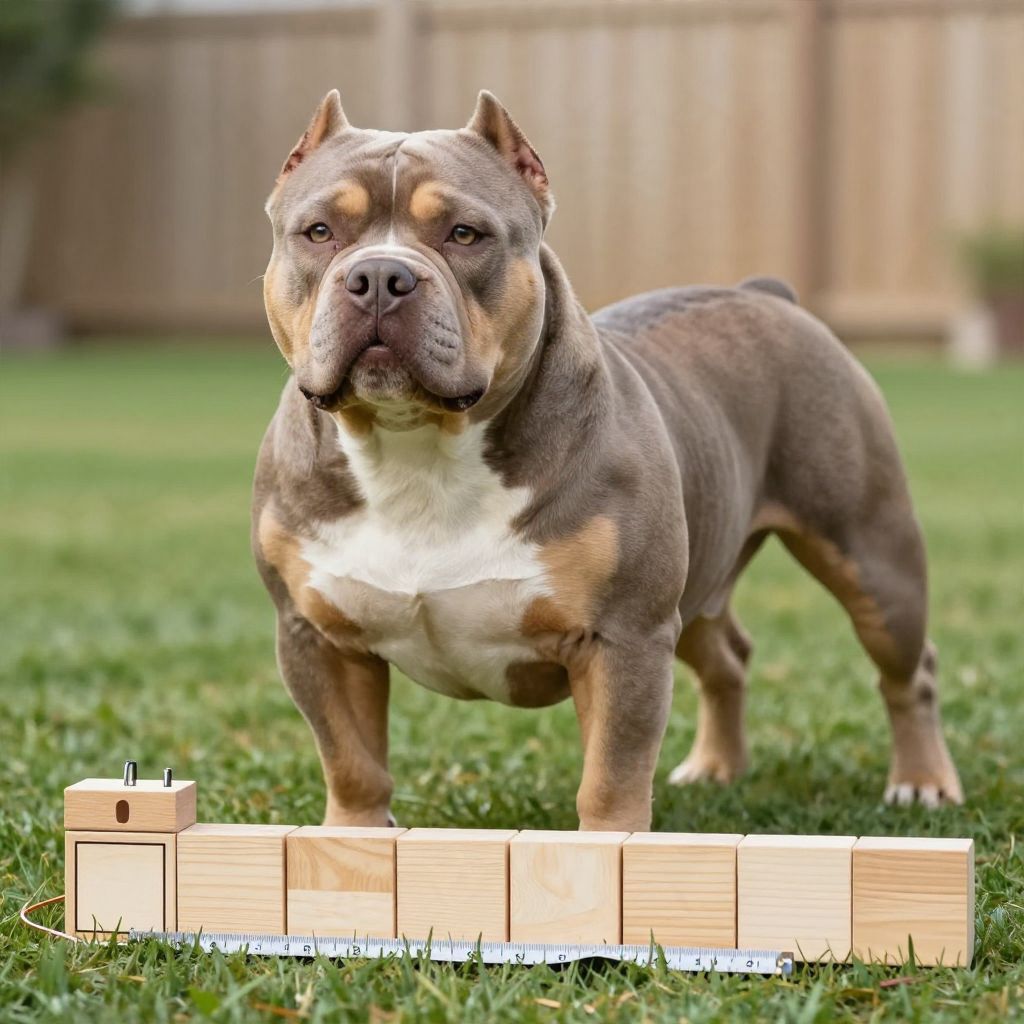
How long do American Bullies live? Most live about 8 to 13 years, but lifespan can vary a lot by size, genetics, overall health, and daily care. Bigger, heavier dogs often face more joint and heart strain, while leaner, well-managed dogs may stay healthier longer.
If you’re caring for an American Bully, the best way to support a longer life is to keep your dog at a healthy weight, schedule regular veterinary checkups, and watch for early signs of pain, breathing trouble, or heart disease. Good breeding and consistent care matter, but no lifespan is guaranteed.
How long do American Bullies live?
American Bullies commonly live around 8 to 13 years. Smaller, lighter-built dogs may live longer than very large or heavily muscled individuals, especially when they stay lean, active, and medically monitored. Nutrition, exercise, breeding quality, and preventive veterinary care all influence where your dog falls within that range.
What affects an American Bully’s lifespan?
Several factors can shorten or extend life expectancy. Some are genetic, while others are directly influenced by the care you provide every day.
- Body size and weight: Extra weight increases stress on joints, the heart, and breathing.
- Breeding and genetics: Responsible breeding can reduce the risk of inherited problems, but it cannot remove all risk.
- Diet quality: A complete, balanced diet supports healthy growth, muscle maintenance, and immune function.
- Exercise level: Regular, appropriate activity helps maintain fitness without overloading joints.
- Preventive care: Vaccines, parasite control, dental care, and routine exams help catch problems early.
- Environment and safety: Heat, toxins, injuries, and poor supervision can all affect longevity.
What to expect at different life stages
Puppy to young adult
Young American Bullies usually need careful socialization, controlled exercise, and a diet suited to growth. Avoid overexercising puppies, especially on hard surfaces or with repetitive jumping, because developing joints can be vulnerable.
Adult years
Adult Bullies often look strong and athletic, but they still need weight management and routine health checks. This is the stage when subtle issues like allergies, skin irritation, knee problems, or early breathing strain may become more noticeable.
Senior years
As your dog ages, you may see slower movement, stiffness after rest, reduced stamina, or changes in appetite. Senior dogs often benefit from more frequent veterinary visits, joint support plans recommended by a vet, and adjustments to exercise and diet.
Common health issues that can affect lifespan
Not every American Bully will develop these problems, but they are important to watch for because early treatment can improve comfort and may help your dog live longer.
- Obesity: One of the most preventable lifespan risks.
- Joint disease: Hip, elbow, and knee issues can limit mobility and quality of life.
- Skin allergies: Chronic itching and infections can become ongoing problems if not managed.
- Heart disease: Some dogs develop heart conditions that need veterinary monitoring.
- Breathing difficulty: Dogs with heavier builds or shorter muzzles may struggle in heat or during intense activity.
- Dental disease: Painful teeth and gum disease can affect eating and overall health.
Signs your American Bully may need a vet visit
Some changes are mild and some are urgent. If you notice ongoing symptoms, it’s best to schedule a veterinary exam rather than guessing at the cause.
- Persistent coughing, wheezing, or noisy breathing
- Exercise intolerance or unusual fatigue
- Stiffness, limping, or trouble rising
- Repeated vomiting or diarrhea
- Itching, skin redness, or frequent ear infections
- Sudden weight gain or weight loss
- Reduced appetite, increased thirst, or changes in urination
- Bad breath, drooling, or trouble chewing
Seek urgent veterinary care if your dog has collapse, severe breathing trouble, a swollen abdomen, pale gums, uncontrolled bleeding, seizures, suspected poisoning, or sudden severe pain.
How to help your American Bully live longer
Keep your dog lean
Healthy weight is one of the most important factors in longevity. You should be able to feel your dog’s ribs without pressing hard, and your dog should have a visible waist when viewed from above.
If you are unsure about body condition, ask your veterinarian to show you how to assess it. Small weight gains can matter more than many owners realize.
Feed a complete, balanced diet
Choose a food appropriate for your dog’s age and life stage. Puppies, adults, and seniors have different nutritional needs, and a growing dog should not be fed like an adult in the same amount or format.
- Measure meals instead of free-feeding.
- Limit high-calorie treats and table scraps.
- Use treats strategically for training, not as a major part of the diet.
- Ask your vet before adding supplements, especially for joints or skin.
Exercise consistently, but sensibly
American Bullies usually do best with regular walks, play sessions, and mental enrichment. Avoid pushing your dog into intense activity in hot weather or on days when they seem sore, tired, or unwell.
Good exercise supports heart health, muscle tone, and weight control. It also helps reduce boredom, which can lead to destructive behavior or stress-related habits.
Protect joints and mobility
Because many Bullies are muscular and substantial, joint care matters. Use ramps or steps when needed, avoid repeated high-impact jumping, and keep nails trimmed so movement stays comfortable.
If your dog starts limping or slowing down, don’t assume it is “just age.” Early evaluation can help identify treatable pain or orthopedic disease.
Prioritize preventive veterinary care
Routine exams help catch issues before they become severe. Your veterinarian may recommend vaccines, parasite prevention, dental cleanings, bloodwork, or screening based on age and risk factors.
- Annual exams for healthy adults, or more often if your vet advises it
- More frequent visits for seniors or dogs with chronic conditions
- Prompt checks for new lumps, lameness, coughing, or appetite changes
Support skin, ears, and teeth
Skin and ear problems can become chronic if ignored. Regular grooming, ear checks, and dental care help reduce discomfort and may prevent repeated infections.
Brushing teeth at home and using vet-approved dental care can make a meaningful difference over time. If your dog has ongoing itching or ear issues, ask your vet about allergy or infection management rather than trying random products.
Does breeding affect how long American Bullies live?
Yes. Responsible breeding can influence lifespan by lowering the chance of inherited disease and improving overall health. That said, even well-bred dogs can develop medical issues, and a poor environment or unhealthy weight can still shorten life.
If you are choosing a puppy, look for breeders who prioritize health testing, transparent records, and temperament stability. Avoid anyone who focuses only on appearance, size, or extreme features.
What are the most common mistakes that shorten lifespan?
Many lifespan problems are preventable. The most common mistakes are often simple, everyday ones that add up over time.
- Allowing your dog to become overweight.
- Skipping routine veterinary care.
- Overexercising a puppy or senior dog.
- Ignoring limping, coughing, or breathing changes.
- Feeding too many treats or an unbalanced diet.
- Leaving skin, ear, or dental problems untreated.
- Exposing your dog to heat, unsafe play, or preventable injuries.
When should you talk to a veterinarian?
You should contact your veterinarian if you notice changes in energy, mobility, appetite, breathing, skin, or bathroom habits that last more than a day or two, or sooner if the change is severe. For older dogs, even small changes can be early signs of a bigger problem.
If your American Bully has a chronic condition like arthritis, allergies, or a heart issue, regular follow-up is especially important. Ongoing management often improves comfort and can help preserve quality of life.
Bottom line
So, how long do American Bullies live? Many live 8 to 13 years, and some do better than that with good genetics, healthy weight, regular exercise, and consistent veterinary care. Focus on prevention, watch for early warning signs, and work with your vet to support a long, comfortable life.
If you’re also comparing lifespan in other breeds, you may find it helpful to read about how long Dobermans live or how long Labradors live.