
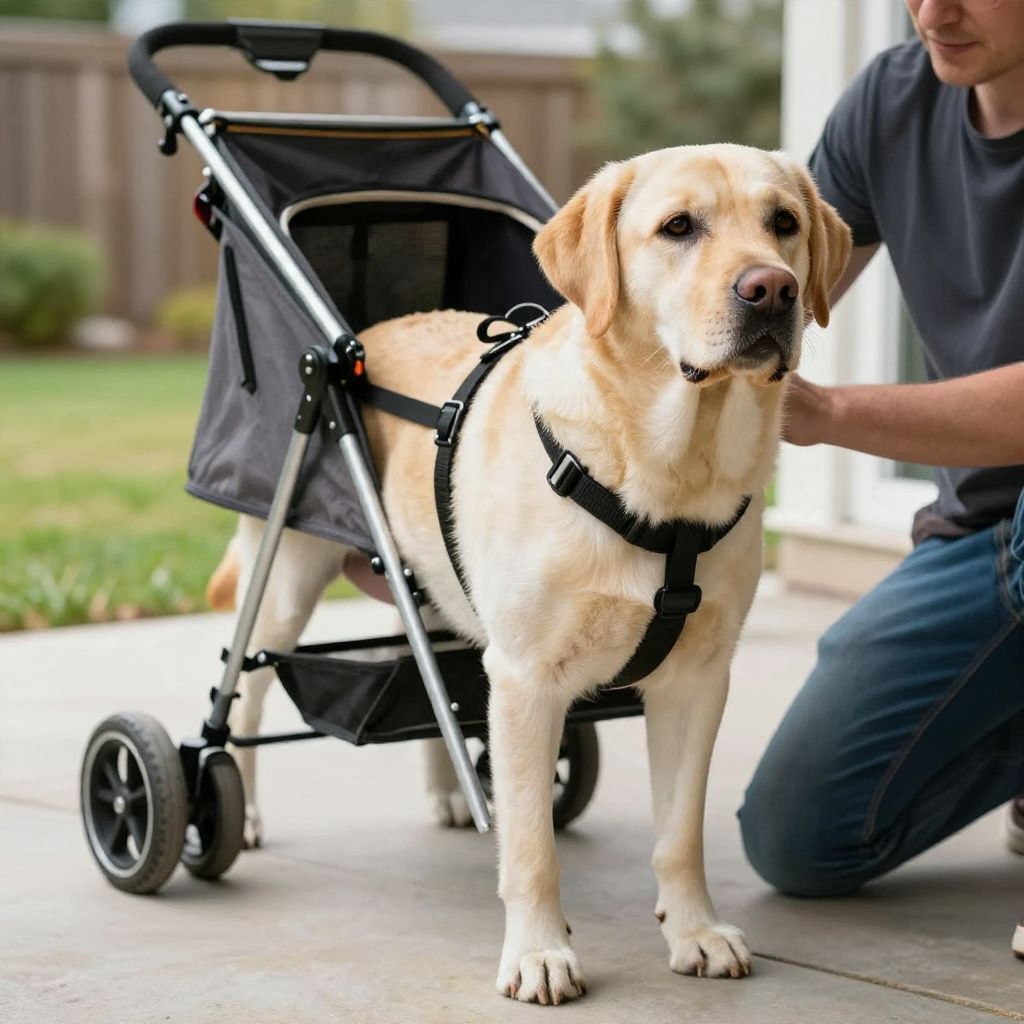
If you’re asking, “How long does a cart last,” the honest answer is that it depends on what kind of cart you mean and how your dog uses it. A dog cart for mobility support may last anywhere from months to years, while a dog cart used for hauling or training can wear out faster with heavy use.
The lifespan usually comes down to fit, materials, terrain, your dog’s size, and how well the cart is maintained. A well-made cart that fits correctly and is cleaned regularly can last much longer than one that rubs, bends, or is used beyond its intended purpose.
How long does a cart last?
Most dog carts last from several months to several years, depending on build quality, frequency of use, and your dog’s body condition. A properly fitted cart with sturdy wheels and frame may last longer, while poor fit, rough ground, moisture, and daily heavy use can shorten its life.
What affects a dog cart’s lifespan?
Several factors influence how long a cart lasts for your dog. Some are about the product itself, and others are about how your dog moves in it.
- Material quality: Aluminum, steel, nylon, and wheel components wear differently over time.
- Fit: A cart that rubs or shifts can break down faster and may also injure your dog.
- Dog size and strength: Larger or more active dogs may place more stress on the frame and wheels.
- Terrain: Grass, pavement, gravel, and uneven trails all affect wear.
- Frequency of use: Daily use usually shortens lifespan more than occasional use.
- Maintenance: Cleaning, tightening hardware, and checking wheels can extend use.
Breed and body type can matter, but they do not determine everything
Some dogs are naturally heavier, more muscular, or more active, which can increase wear on a cart. But breed alone does not predict how long a cart will last. A small dog that uses a cart every day on rough ground may wear it out faster than a larger dog using it occasionally on smooth surfaces.
What should you expect over time?
It helps to think of a cart in stages rather than expecting one exact lifespan. The frame may stay usable for a long time, while wheels, straps, padding, and fasteners may need replacement sooner.
- Early use: You may need minor adjustments as your dog gets used to the cart and as you fine-tune the fit.
- Regular use: This is when normal wear appears, such as loose straps, scuffed wheels, or small squeaks.
- Later use: Parts may start to fatigue, especially if the cart is exposed to moisture, dirt, or heavy strain.
In many cases, the cart does not fail all at once. Instead, one part wears out first, and replacing that part can extend the cart’s life.
Signs a dog cart is wearing out
Watch for changes that affect safety, comfort, or function. If you notice these issues, the cart may need repair, adjustment, or replacement.
- Wheels wobble, drag, or do not roll smoothly
- Frame bends, cracks, or feels unstable
- Straps loosen or no longer stay secure
- Padding becomes flattened, torn, or uncomfortable
- Rust, corrosion, or damaged hardware appears
- Your dog starts resisting the cart or seems sore after use
- The cart no longer fits after weight loss, weight gain, or muscle changes
If your dog suddenly seems uncomfortable in the cart, do not assume it is just “being stubborn.” Pain, pressure sores, or poor alignment can make cart use unsafe.
How to make a dog cart last longer
Good care can add a lot of time to a cart’s usable life. These habits also help protect your dog from rubbing, pressure points, and unstable movement.
- Check the fit regularly: Your dog’s body can change with age, exercise, illness, or weight changes.
- Clean after use: Wipe off dirt, mud, and moisture so grime does not damage moving parts.
- Inspect hardware: Look at bolts, straps, buckles, and joints before each use.
- Store it dry: Keep the cart in a dry place to reduce rust and material breakdown.
- Avoid rough handling: Lifting, dragging, or tossing the cart can damage the frame and wheels.
- Use it as intended: A cart designed for mobility support should not be overloaded or used like a cargo cart.
Maintenance matters more than many owners realize
Small issues become big ones when they are ignored. A loose strap or slightly bent wheel can create uneven pressure on your dog’s body and shorten the cart’s lifespan at the same time.
How often should you replace parts?
There is no universal schedule, because parts wear at different rates. Wheels, straps, pads, and fasteners often need attention before the frame does.
- Wheels: Replace if they wobble, crack, or no longer roll smoothly.
- Straps and padding: Replace if they fray, compress, or cause rubbing.
- Hardware: Replace rusted or bent pieces promptly.
- Frame: Replace the cart if the structure is unstable, cracked, or no longer safe to support your dog.
If the cart is custom-made, a repair shop or the manufacturer may be able to replace individual components instead of requiring a full replacement.
Does a puppy or senior dog change the answer?
Yes. Age can affect both cart wear and how long the cart remains appropriate for your dog.
Puppies and growing dogs
For puppies or young dogs, the cart may not last as long simply because your dog is growing. A cart that fits now may become too small or poorly aligned within weeks or months.
Growing dogs need frequent rechecks for fit. A cart that is too tight or too loose can cause discomfort and may wear out faster from constant adjustment.
Senior dogs
Older dogs may use a cart more gently, but they can also be more sensitive to pressure, stiffness, and balance changes. If your senior dog has arthritis, weakness, or a neurologic condition, check the cart often for comfort and stability.
Any sudden change in mobility, posture, or willingness to use the cart should be discussed with your veterinarian.
When is a cart no longer safe to use?
Stop using the cart if it no longer supports your dog safely. A cart should help your dog move more comfortably, not create new problems.
- Your dog’s body is being rubbed raw
- The cart tips, drags, or shifts unexpectedly
- Parts fail during use
- Your dog seems painful, anxious, or exhausted in the cart
- The cart no longer matches your dog’s current size or condition
Seek veterinary guidance promptly if your dog develops sores, swelling, limping, sudden weakness, trouble breathing, or obvious pain while using a cart. These are not normal signs of “getting used to it.”
Common mistakes that shorten cart life
Many cart problems come from avoidable mistakes rather than normal wear.
- Buying the wrong size and trying to make it work
- Skipping fit checks as your dog changes over time
- Using the cart on terrain it was not designed for
- Ignoring loose straps or damaged wheels
- Storing the cart wet or dirty
- Assuming your dog’s discomfort is normal adaptation
Choosing the right cart and maintaining it well usually matters more than trying to “make it last” by pushing it past safe limits.
When to ask a veterinarian or rehab professional
If your dog needs a cart for mobility support, your veterinarian can help you decide whether the cart is still appropriate and whether your dog’s comfort or condition has changed. A canine rehabilitation professional or experienced cart fitter can also help with adjustments.
Get professional help if your dog has:
- New pain or sensitivity in the harness or support areas
- Skin sores or hair loss from rubbing
- Changes in gait, balance, or coordination
- Difficulty standing, turning, or backing up in the cart
- A condition that is progressing and may require a different support setup
Bottom line
How long a cart lasts depends on quality, fit, use, and upkeep. Inspect it often, replace worn parts early, and stop using it if it no longer fits or feels safe for your dog. If you are unsure, a veterinarian or qualified rehab professional can help you decide whether to repair, adjust, or replace it.
If you’re also learning about your dog’s long-term health, you may find it helpful to read more about breed lifespan and age-related care, such as how long Rottweilers live or how long Boxers live.