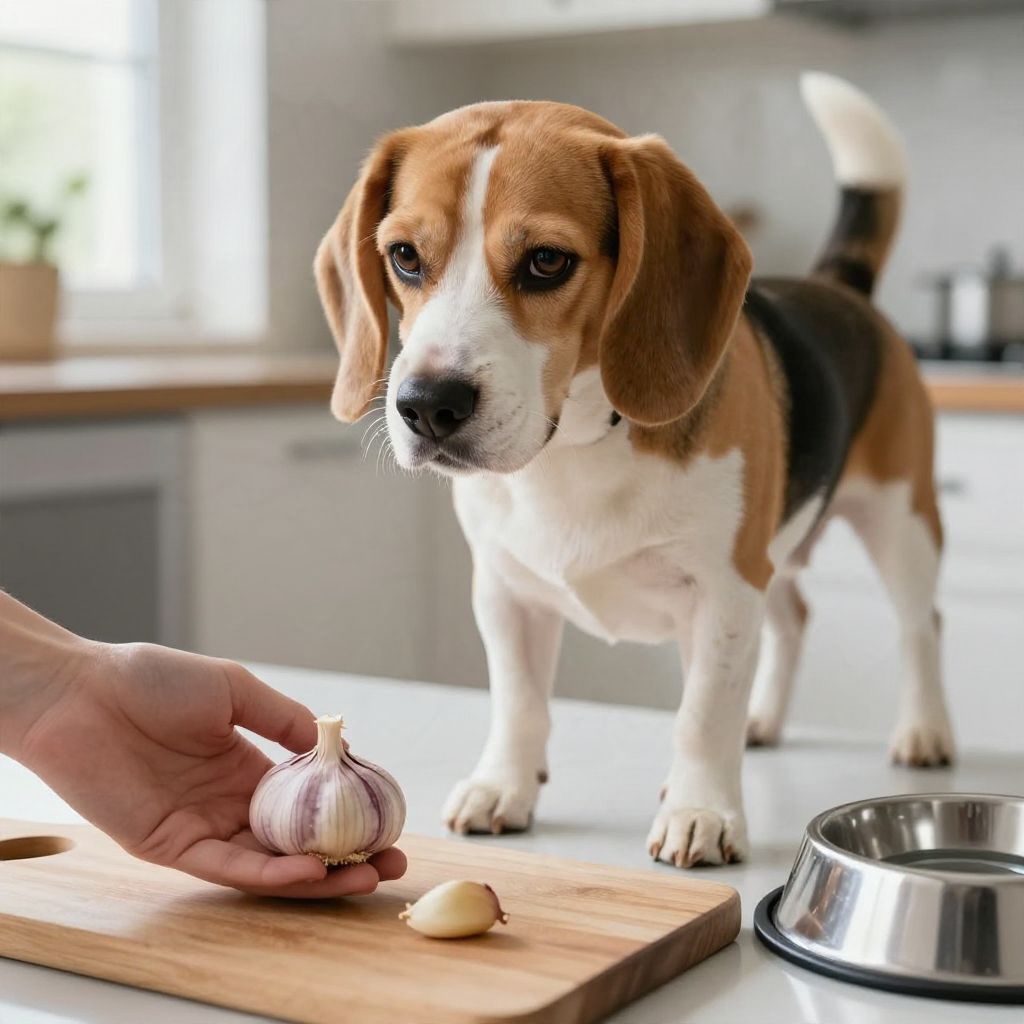
If your dog ate garlic, the amount that is toxic depends on your dog’s size, the form of garlic, and how much was eaten. Garlic can damage red blood cells and may cause illness even when the initial signs are mild or delayed.
If you suspect your dog ate garlic, contact your veterinarian or a pet poison helpline right away. Do not wait for symptoms, because toxicity can develop over time and small dogs, puppies, and dogs with health problems may be affected more easily.
How Much Garlic Is Toxic To Dogs?
There is no single safe “toxic amount” for every dog. Garlic can be harmful at relatively small amounts, and the risk rises with the dog’s body size, the concentration of garlic, and whether the garlic was raw, cooked, powdered, or part of a seasoned food.
Why Garlic Is Dangerous For Dogs
Garlic belongs to the Allium family, which can injure a dog’s red blood cells. This can reduce the blood’s ability to carry oxygen and may lead to anemia.
The problem is not just stomach upset. Even if your dog seems fine at first, the more serious effects can appear later, after the body has had time to absorb the toxin.
Forms of garlic that can be risky
- Raw garlic in cloves or chopped pieces
- Cooked garlic in foods such as pasta, meat dishes, or sauces
- Garlic powder or seasoning blends, which can be more concentrated
- Garlic-containing supplements or treats
What Affects The Toxicity Risk?
How much garlic is toxic to dogs varies from case to case. A small amount may be more concerning for a Chihuahua or puppy than for a larger adult dog, but size alone does not make garlic safe.
Factors that matter
- Dog size and weight: smaller dogs are generally at higher risk from the same amount
- Age: puppies may be more vulnerable because they are smaller and still developing
- Health status: dogs with anemia, immune-mediated disease, or other medical issues may have less reserve
- Amount eaten: more garlic means more risk
- Type of garlic product: powders and concentrated seasonings can be more potent than a small piece of cooked garlic
- What else was in the food: onions, chives, rich fats, or toxic ingredients can add other risks
Signs Of Garlic Toxicity In Dogs
Symptoms may not show up right away. Some dogs develop stomach upset first, while others show signs of red blood cell damage later.
Early warning signs
- Vomiting
- Diarrhea
- Drooling
- Abdominal discomfort
- Reduced appetite
More serious signs
- Weakness or unusual tiredness
- Pale gums
- Rapid breathing
- Fast heart rate
- Dark urine
- Collapse
Emergency warning: if your dog has trouble breathing, collapses, has very pale gums, or seems severely weak, seek urgent veterinary care immediately.
What To Do If Your Dog Ate Garlic
Act quickly and stay calm. The safest next step is to call your veterinarian, an emergency clinic, or a pet poison expert for case-specific guidance.
- Remove any remaining garlic or garlic-containing food.
- Estimate how much was eaten and when it happened.
- Check the ingredient list if the garlic was in a packaged food.
- Call a veterinarian promptly, even if your dog looks normal.
- Follow professional instructions exactly.
Do not try to make your dog vomit unless a veterinarian specifically tells you to do so. Home remedies can make the situation worse or delay proper treatment.
Why “A Little Garlic” Is Not A Good Rule
Some people assume garlic is harmless in small amounts because it is used in human cooking. That is not a reliable safety rule for dogs, because dogs process foods differently and the margin between “small” and “too much” can be narrow.
Also, garlic often appears in mixed foods, which makes the actual dose hard to judge. A sauce, seasoning blend, or leftover table food may contain more garlic than you realize.
How Veterinarians May Handle A Garlic Exposure
Your veterinarian may recommend monitoring, decontamination, or supportive care depending on the amount eaten and how long ago it happened. The exact plan depends on your dog’s size, symptoms, and medical history.
Testing may be needed if your vet is concerned about red blood cell damage. If signs develop later, treatment can become more involved, which is why early advice matters.
Foods And Ingredients To Watch For
Garlic is often part of meals that contain other ingredients dogs should not eat. If your dog got into people food, review the whole dish, not just the garlic.
- Onions and chives
- Garlic bread or seasoned bread products
- Pasta sauces and soups
- Marinades and spice rubs
- Processed meats or leftovers with seasoning
If you want to learn more about related risks, see can dogs have onion?
Common Mistakes To Avoid
- Waiting to see if symptoms appear before calling for help
- Assuming cooked garlic is safe because raw garlic is the only concern
- Guessing the amount instead of checking the recipe or package
- Using garlic supplements for “natural” flea control without veterinary advice
- Giving rich or salty human foods to “settle the stomach”
How To Prevent Garlic Exposure
Prevention is much easier than treatment. A few simple habits can lower the chance that your dog gets into garlic-containing foods.
- Keep garlic, onion, and seasoning powders out of reach
- Store leftovers in sealed containers
- Do not feed table scraps without checking ingredients
- Teach family members and guests not to share seasoned foods
- Use dog-safe treats instead of human food scraps
When To Call The Vet Right Away
Call promptly if your dog ate garlic and you are unsure how much was consumed. Immediate help is especially important for small dogs, puppies, seniors, and dogs with existing medical conditions.
Seek urgent care now if your dog shows weakness, pale gums, rapid breathing, collapse, repeated vomiting, or any sign that seems severe or worsening.
Bottom Line
How much garlic is toxic to dogs depends on the dog and the exposure, but there is no reliably safe amount to assume. If your dog ate garlic, contact a veterinarian quickly, watch for delayed symptoms, and treat any serious signs as an emergency.
If you are checking other household hazards too, you may also want to read about whether lavender is toxic to dogs so you can keep your home safer overall.