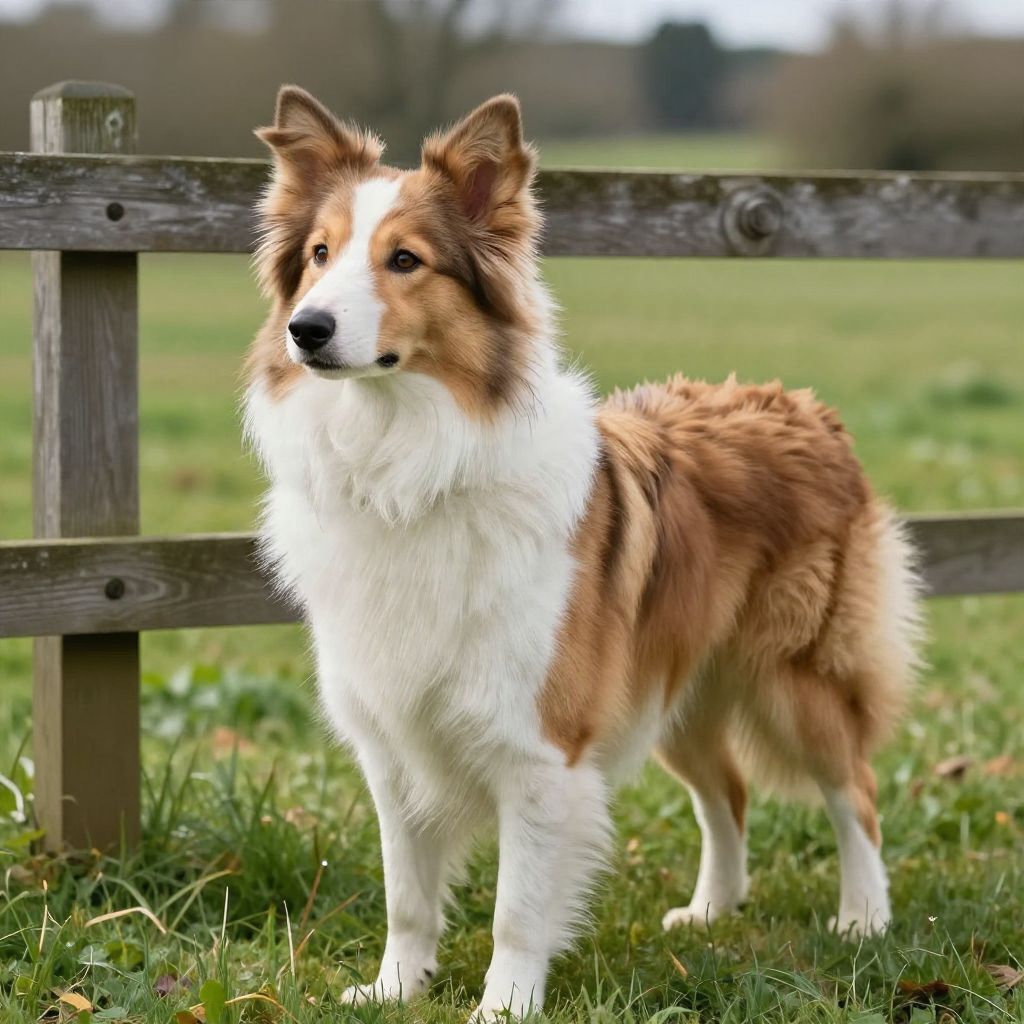
If you’ve wondered what kind of dog Lassie was, the short answer is that she was a Rough Collie. That breed is known for its long, flowing coat, alert expression, and strong bond with people.
In the stories and TV adaptations, Lassie became famous for loyalty, intelligence, and problem-solving. Real Rough Collies can share some of those general traits, but every dog is an individual and needs proper training, care, and socialization.
What Kind Of Dog Was Lassie?
Lassie was a Rough Collie, a herding breed recognized for a long coat, elegant build, and attentive nature. While the character was portrayed as exceptionally smart and devoted, real Collies vary in temperament, energy level, and trainability depending on genetics, upbringing, and daily care.
What Makes a Rough Collie Different?
Rough Collies are often described as gentle, responsive, and people-oriented. They were developed as working dogs, so many enjoy having a job to do, whether that means learning cues, participating in dog sports, or simply staying engaged with you during daily routines.
Typical traits you may see
- Strong attachment to family members
- Good responsiveness to reward-based training
- Moderate to high need for mental stimulation
- Coat care that requires regular brushing
- Potential sensitivity to harsh handling or chaotic environments
These are tendencies, not guarantees. A well-socialized Collie may be outgoing and confident, while another may be more reserved or sensitive.
Was Lassie a “Smart Dog” Because of the Breed?
Rough Collies are often considered intelligent and trainable, which helped the Lassie character feel believable. Still, “smart” in dogs can mean different things: learning quickly, solving problems, reading human cues, or staying calm under pressure. Training history matters just as much as breed.
If you want a dog with good manners and reliable behavior, focus on:
- Early socialization with people, dogs, sounds, and places
- Consistent, reward-based training
- Regular exercise and enrichment
- Clear routines for feeding, rest, and potty breaks
What to Expect If You Live With a Rough Collie
If you’re considering a Collie because you love Lassie, think beyond appearance. Coat length, energy needs, grooming, and temperament all affect daily life. A dog that looks like Lassie may still have very different needs from one household to the next.
Exercise and enrichment
Most Collies do best with daily physical activity plus mental work. That can include walks, fetch, scent games, trick training, or short obedience sessions. Bored dogs are more likely to develop nuisance behaviors such as barking, pacing, or chewing.
Training approach
Use positive reinforcement such as treats, praise, play, and access to favorite activities. Collies often respond well to gentle, structured training, but avoid punishment-based methods that can create fear or damage trust.
Grooming needs
The Rough Collie’s coat usually needs regular brushing to reduce tangles and loose hair. More frequent grooming may be needed during seasonal shedding. Check ears, nails, teeth, and skin during grooming sessions so you can catch problems early.
Common Health Considerations in Collies
Like all breeds, Rough Collies can be prone to certain health issues, but not every dog will develop them. A veterinarian can help you monitor breed-related risks and recommend screening based on your dog’s age and history.
- Eye concerns such as inherited eye conditions
- Skin issues related to coat care, allergies, or parasites
- Joint problems that may affect mobility over time
- Dental disease if teeth are not cared for regularly
Watch for signs like squinting, cloudiness in the eyes, limping, itching, hair loss, bad breath, or changes in appetite. If you notice any of these, schedule a veterinary exam rather than trying to guess the cause.
Red Flags That Need Veterinary Care
Some problems should never wait. Contact a veterinarian promptly if your dog has sudden weakness, trouble breathing, collapse, repeated vomiting, a swollen abdomen, seizures, or signs of severe pain.
Seek urgent care right away if your dog:
- Cannot stand or seems disoriented
- Has pale gums or blue-tinged gums
- Has eye injury, sudden blindness, or severe head trauma
- May have eaten something toxic or dangerous
- Shows rapid swelling, especially of the face or throat
How to Care for a Dog Like Lassie
Whether you own a Rough Collie or simply admire the breed, good care starts with meeting the dog’s individual needs. A calm routine, safe environment, and regular veterinary attention go a long way.
- Feed a complete, balanced diet appropriate for age and body condition.
- Provide daily exercise matched to your dog’s age and health.
- Brush the coat regularly and check for mats, debris, and skin irritation.
- Train with rewards and keep sessions short and positive.
- Schedule routine vet visits for vaccines, parasite prevention, and wellness checks.
Puppy care if you’re raising a Collie
Collie puppies need gentle handling, early socialization, and age-appropriate training. Keep experiences positive and avoid overwhelming them with too much too soon. Short sessions, predictable routines, and safe exposure to new sights and sounds help build confidence.
Adult dog care
Adult Collies often thrive with structure. If your dog seems under-stimulated, add puzzle toys, scent games, or obedience practice before assuming the dog is being “stubborn.” Many behavior issues improve when the dog’s physical and mental needs are better met.
Senior care
Older Collies may slow down, need softer bedding, and benefit from shorter walks and more frequent health checks. Watch for stiffness, vision changes, hearing loss, or confusion, and ask your veterinarian about pain management or mobility support if needed.
How to Tell If a Collie Is the Right Fit for You
A Rough Collie may be a good match if you want a loyal, trainable companion and you’re prepared for grooming and daily engagement. The breed may be less ideal if you want a very low-maintenance coat or a dog that can be left without much mental stimulation.
Before bringing one home, ask yourself:
- Can I brush and groom regularly?
- Do I have time for training and exercise every day?
- Am I ready for a dog that may be sensitive to harsh correction?
- Can I provide consistent veterinary care and enrichment?
Common Mistakes to Avoid
People who love Lassie sometimes assume a Collie will automatically be easy, obedient, or naturally suited to every family. That can lead to frustration if the dog’s real needs are overlooked.
- Choosing a dog based on appearance alone
- Skipping socialization because the breed seems “good with people”
- Using punishment instead of reward-based training
- Ignoring grooming until mats or skin problems develop
- Assuming all dogs of the breed behave the same way
Bottom Line
Lassie was a Rough Collie, and the breed is often admired for intelligence, loyalty, and a striking coat. If you’re interested in a Collie, focus on the dog’s individual temperament, grooming needs, training history, and health rather than the TV image alone. For more breed-related reading, you may also enjoy what kind of dog Lady from Lady and the Tramp was or what is the smartest dog breed.