
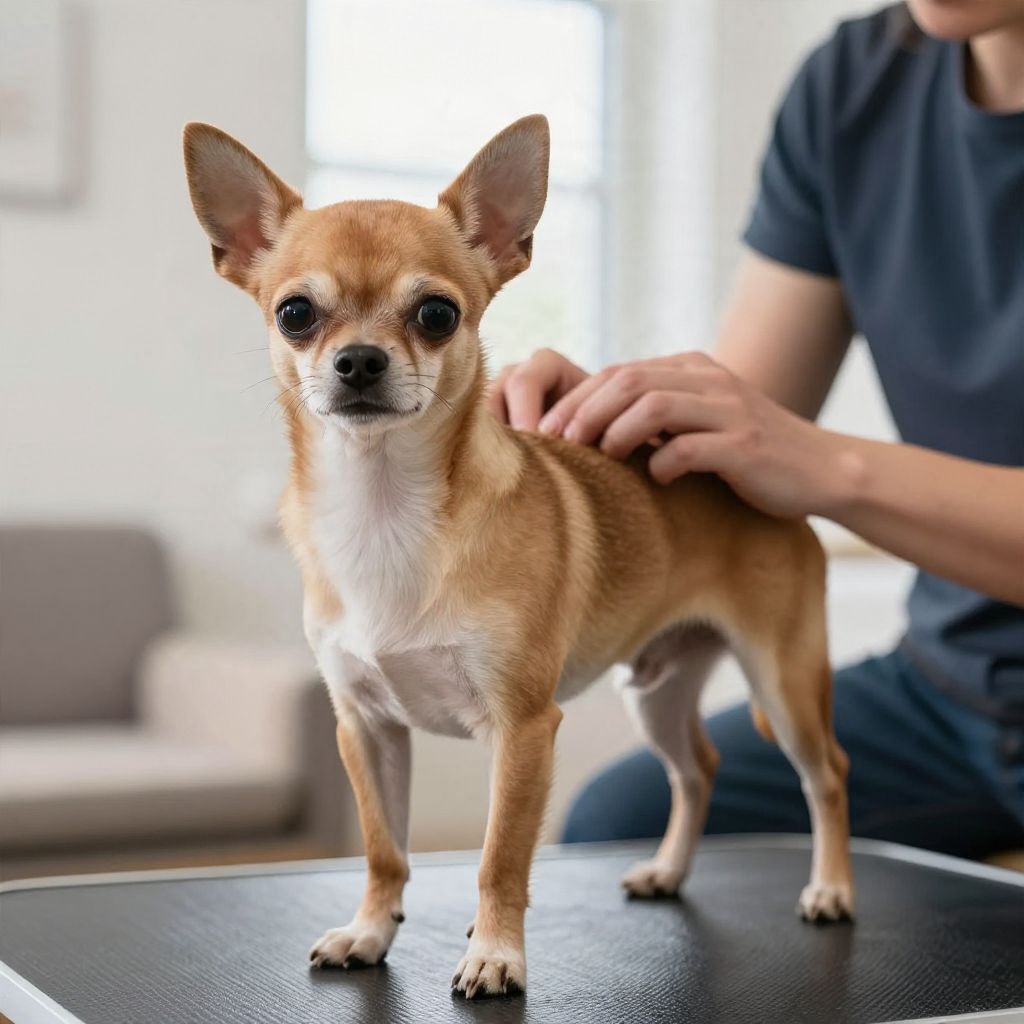
If you’re asking how old do Chihuahuas live, the short answer is that many live into their mid-teens, and some reach 16 years or older with good care. Lifespan varies with genetics, body condition, dental health, safety, and access to regular veterinary care.
Chihuahuas are small dogs, and smaller breeds often live longer than larger ones. Still, an individual Chihuahua’s age depends on more than size alone, so the goal is to support long-term health from puppyhood through the senior years.
How old do Chihuahuas live?
Many Chihuahuas live about 12 to 16 years, and some live longer with excellent care, preventive veterinary visits, and a safe home environment. Lifespan is influenced by genetics, weight, dental disease, heart and kidney health, activity level, and whether the dog is kept at a healthy body condition.
What affects a Chihuahua’s lifespan?
There is no single number that fits every Chihuahua. Some live longer because they stay lean, receive routine dental care, and are monitored early for health problems, while others age faster due to chronic disease, injury, or poor nutrition.
1. Body weight and overall condition
Extra weight can strain a Chihuahua’s joints, heart, and metabolism. Because they are so small, even a little extra body fat can have a noticeable effect on mobility and stamina.
2. Dental health
Small dogs often need extra attention to their teeth and gums. Dental disease can cause pain, tooth loss, and infection, and it may affect eating, comfort, and overall health if left untreated.
3. Genetics and inherited disease
Some health concerns are more likely in certain family lines, but not every Chihuahua will develop them. A responsible breeder, if you are choosing a puppy, should prioritize health screening and transparent veterinary history.
4. Safety and injury prevention
Because Chihuahuas are tiny, they are more vulnerable to falls, rough handling, and accidental injury. Preventing trauma matters as much as nutrition and exercise when you want a long lifespan.
5. Preventive veterinary care
Regular checkups help catch problems early, when they are often easier to manage. Vaccinations, parasite prevention, dental exams, and senior screening can all support a longer, healthier life.
Breed traits that can influence care
Chihuahuas are typically alert, people-focused, and energetic in a small package. Those traits can be wonderful, but they also mean they may become stressed, vocal, or reactive if they are under-socialized or handled roughly.
- Small size: makes them easier to injure, so supervision matters.
- High attachment to people: can lead to separation-related stress in some dogs.
- Alert temperament: may make them quick to bark at new sounds or visitors.
- Variable confidence: some are bold, while others are cautious or sensitive.
These are tendencies, not guarantees. Your dog’s personality will also depend on early experiences, training, and daily routine.
How to help a Chihuahua live longer
The best longevity plan is simple: keep your Chihuahua lean, active, mentally engaged, and medically monitored. Small daily habits can have a bigger effect than dramatic changes later in life.
- Feed a complete, balanced diet appropriate for age and health status.
- Measure meals instead of free-feeding if your dog tends to gain weight.
- Schedule regular veterinary exams to catch issues early.
- Brush teeth regularly and follow your vet’s dental care plan.
- Provide daily exercise suited to your dog’s size and fitness.
- Use safe handling and home setup to reduce injury risk.
- Keep up with parasite prevention and vaccinations as recommended by your vet.
Nutrition that supports healthy aging
A Chihuahua’s diet should match life stage, activity level, and any medical needs. Puppies, adults, and seniors may need different calorie levels and nutrient profiles, so ask your veterinarian if you are unsure which food is best.
Avoid overfeeding treats, table scraps, or calorie-dense snacks. Because Chihuahuas are small, extra calories add up quickly and can contribute to weight gain.
Exercise and enrichment
Most Chihuahuas benefit from daily walks, indoor play, and short training sessions. The right amount of exercise helps maintain muscle, supports weight control, and gives them a healthy outlet for energy.
Keep exercise low-impact and age-appropriate. Very young puppies need careful activity limits, while seniors may prefer shorter, more frequent outings.
- Short leash walks
- Gentle fetch or tug with supervision
- Food puzzles or sniffing games
- Basic training practice for focus and confidence
Training and socialization
Reward-based training can improve safety and reduce stress. Teaching a reliable recall, calm handling, and polite greeting behavior helps your Chihuahua navigate daily life more comfortably.
Early, positive socialization may reduce fearfulness later, but socialization should be gradual and never overwhelming. Let your dog observe new people, dogs, sounds, and places at a pace that feels safe.
Common health issues to watch for
Not every Chihuahua will develop the same problems, but there are a few issues that deserve extra attention. Early detection often improves comfort and may help your dog stay active longer.
- Dental disease: bad breath, red gums, drooling, difficulty chewing
- Patellar luxation: skipping steps, intermittent limping, reluctance to jump
- Heart disease: coughing, tiring easily, breathing changes
- Eye problems: squinting, discharge, cloudiness, pawing at the face
- Low blood sugar in young dogs: weakness, wobbliness, collapse
- Tracheal irritation: honking cough, especially with excitement or pressure on the neck
If you notice a new symptom that lasts more than a day or two, or if your dog seems painful, schedule a veterinary visit. Small dogs can decline quickly if an underlying problem is ignored.
Senior Chihuahua care
As Chihuahuas age, they may slow down, sleep more, or need more support with mobility and comfort. Senior care is about making small adjustments before problems become serious.
Practical senior-care changes
- Use ramps or steps to reduce jumping from furniture.
- Provide soft bedding and a warm, draft-free resting area.
- Keep walks shorter if stamina declines, but stay consistent.
- Watch for stiffness, weight changes, or appetite changes.
- Ask your vet whether more frequent checkups are appropriate.
Older dogs may also need bloodwork, urine testing, or dental evaluation more often than younger adults. These screenings can help identify kidney disease, diabetes, thyroid issues, and other age-related concerns earlier.
When to call a veterinarian right away
Some signs should never wait for a routine appointment. If your Chihuahua has any of the following, seek urgent veterinary care.
- Difficulty breathing or blue/pale gums
- Collapse, seizures, or sudden weakness
- Repeated vomiting or inability to keep water down
- Severe lethargy or unresponsiveness
- Bloated abdomen or obvious abdominal pain
- Suspected poisoning or toxin exposure
- Trauma, fall, or being stepped on
- Sudden inability to walk normally
Because Chihuahuas are so small, even a problem that seems minor can become serious quickly. If you are unsure, call your veterinarian and describe the symptoms.
Common mistakes that can shorten a Chihuahua’s life
Many lifespan-limiting problems are preventable. A few everyday mistakes can have a bigger impact on a small dog than owners expect.
- Allowing weight gain “because the dog is tiny”
- Skipping dental care until eating becomes difficult
- Using collars that put pressure on the neck instead of safer harnesses when appropriate
- Letting a Chihuahua jump from high furniture without support
- Assuming shivering always means cold, rather than checking for stress, pain, or illness
- Delaying veterinary care for coughing, limping, or appetite changes
What to expect at different life stages
Understanding your Chihuahua’s age stage can help you give the right care at the right time. Exact timing varies, but these general patterns are useful.
Puppy
Puppies need frequent meals, careful socialization, and extra protection from injury. They can be fragile, so handling should be gentle and supervised.
Adult
Adult Chihuahuas usually do best with consistent routine, daily exercise, and regular dental and wellness care. This is the stage to build habits that support long-term health.
Senior
Senior dogs may need softer bedding, more frequent bathroom breaks, and closer monitoring for pain or organ disease. Small changes in appetite, energy, or behavior deserve attention.
Bottom line
So, how old do Chihuahuas live? Many live 12 to 16 years, and some live even longer when they stay lean, receive regular veterinary care, and are protected from injury. If you want your Chihuahua to live a long, comfortable life, focus on prevention, dental health, safe exercise, and prompt attention to new symptoms.
If you’d like to compare lifespan information across breeds, you may also find how old dogs live in general and how long Chihuahuas live helpful for further reading.