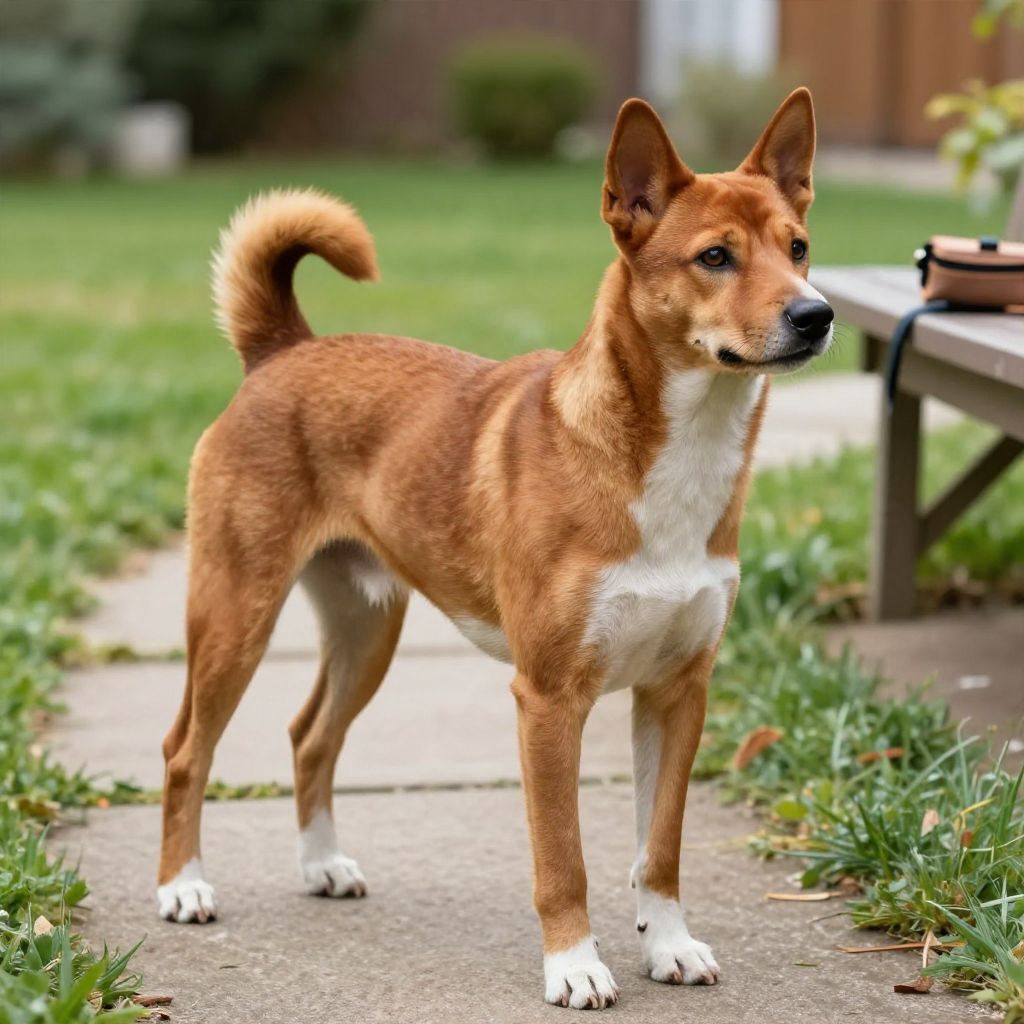
What animal starts with Z? If you’re asking from a dog-care angle, the most relevant answer is usually the zebra, a wild animal that dogs may see in books, videos, or zoo settings. Knowing the answer can also help you think about safe dog behavior around unfamiliar animals and exciting new environments.
For dogs, the bigger question is not just naming an animal with Z, but how to keep your dog calm, safe, and under control when they encounter strange sights, smells, and sounds. That matters whether you’re visiting a zoo area, walking near wildlife, or teaching a puppy to ignore distractions.
What animal starts with Z?
The most common answer is zebra. If your dog is likely to encounter one only through a zoo, wildlife park, or media, the key concern is safety: keep your dog leashed, prevent chasing, and avoid exposing them to stressful or risky animal interactions.
Why this question matters for dog owners
At first glance, “What animal starts with Z?” sounds like a simple trivia question. For dog owners, though, it can connect to real-life situations where your dog may react strongly to unfamiliar animals, sounds, or smells.
Dogs are naturally curious, and some may bark, pull, freeze, or try to chase when they see something new. Others may become anxious and want to retreat. Your job is to manage the situation safely and help your dog build calm habits over time.
If your dog sees a zebra or other unfamiliar animal
Whether the animal is a zebra, antelope, llama, or another zoo resident, the safest approach is the same: create distance, stay calm, and reward your dog for calm behavior.
What to do in the moment
- Keep your dog on a secure leash or in a properly fitted harness.
- Increase distance if your dog becomes tense, vocal, or fixated.
- Use a cheerful cue your dog already knows, such as “let’s go” or “this way.”
- Reward calm looking, loose body language, and quick check-ins with you.
- Leave the area if your dog cannot settle.
Do not force your dog closer to an animal they find overwhelming. Flooding a scared or overexcited dog can make the reaction worse.
How to tell whether your dog is curious, excited, or stressed
Dogs show emotion through body language, and the same animal can trigger different reactions in different dogs. A confident adult dog may simply watch quietly, while a puppy or sensitive dog may need more space.
Common signs your dog is over threshold
- Hard staring or fixed focus
- Pulling hard toward the animal
- Barking, whining, or growling
- Body stiffness, raised hackles, or a closed mouth
- Trying to hide, tuck the tail, or back away
If your dog shows these signs, move farther away and make the situation easier. Different breeds, ages, and past experiences can all affect how strongly a dog reacts.
Training your dog to stay calm around distractions
You do not need to train your dog to “like” every animal. The goal is calmer, safer behavior around surprises. Reward-based training works best for most dogs because it teaches them what to do instead of punishing what you do not want.
Helpful skills to practice
- Look at me or eye contact on cue.
- Let’s go for a smooth turn away from distractions.
- Loose-leash walking with frequent rewards.
- Settle on a mat or blanket in calm environments first.
- Leave it for avoiding tempting sights and smells.
Start in low-distraction places and gradually make the environment more challenging. If your dog cannot succeed, the setting is too hard and you should reduce the difficulty.
Puppies and young dogs: why early exposure matters
Puppies often react strongly to new animals because everything is novel. Gentle, positive exposure to different sights and sounds can help them become more adaptable, but it should always be controlled and safe.
Good puppy socialization habits
- Introduce new experiences at a distance where your puppy stays relaxed.
- Pair new sights with treats, praise, or play.
- Keep sessions short and end before your puppy becomes overwhelmed.
- Avoid crowded or chaotic settings if your puppy is nervous.
Socialization is not about meeting every animal up close. It is about helping your puppy learn that the world is manageable and that you will keep them safe.
Can dogs live safely near zoos or wildlife parks?
Some dogs can handle the environment near a zoo or wildlife park, but not every dog should go. The best choice depends on your dog’s temperament, training, age, and health.
Consider leaving your dog at home if they
- Are reactive, fearful, or easily overstimulated
- Have a history of leash pulling or lunging
- Are recovering from illness or injury
- Are very young, elderly, or heat-sensitive
- Struggle in busy public settings
If you do bring your dog, plan a short visit, bring water, and watch for signs of stress. A good outing is one where your dog can stay below their stress threshold the whole time.
Common mistakes to avoid
When dogs react to an unfamiliar animal, people often make the situation harder without meaning to. Avoiding these mistakes can make outings safer and training more effective.
- Dragging your dog toward the trigger
- Yelling at barking or lunging
- Using punishment-based tools to suppress behavior without changing the emotion behind it
- Ignoring early stress signals
- Expecting a puppy to cope like a mature, trained adult dog
Instead, think in terms of management, distance, and reinforcement. Those three tools solve many public-behavior problems more safely than force ever will.
When to ask for professional help
If your dog’s reactions are intense, frequent, or getting worse, a qualified professional can help. This is especially important if your dog has bitten, snapped, or cannot recover after seeing another animal.
Who to contact
- A veterinarian, if pain, illness, or sudden behavior change may be involved
- A certified force-free trainer for leash manners and calm public behavior
- A veterinary behaviorist for severe fear, anxiety, or aggression
Seek urgent veterinary care if your dog is injured, collapses, has trouble breathing, or appears disoriented after a stressful encounter. Do not wait if there are emergency signs.
How to choose safe enrichment when your dog is curious about animals
If your dog loves watching animals, you can channel that interest into safe enrichment at home. The goal is to satisfy curiosity without creating unsafe chasing habits.
Safe options
- Snuffle mats and scent games
- Food puzzles and treat-dispensing toys
- Controlled distance walks where your dog can observe calmly
- Training games that reward focus on you
These activities help your dog practice self-control and give you a way to work on attention without relying on unpredictable real-world encounters.
What to remember about the question “What animal starts with Z?”
The simple answer is usually zebra, but for dog owners the practical takeaway is bigger: unfamiliar animals can trigger excitement, fear, or chasing instincts. Your best tools are distance, calm handling, and reward-based training.
If you want more dog-friendly background on unusual animal questions, you may also enjoy reading about whether a zebra is a horse. For your dog’s safety, keep new animal encounters controlled, and get professional help if your dog’s reactions are intense or unsafe.