
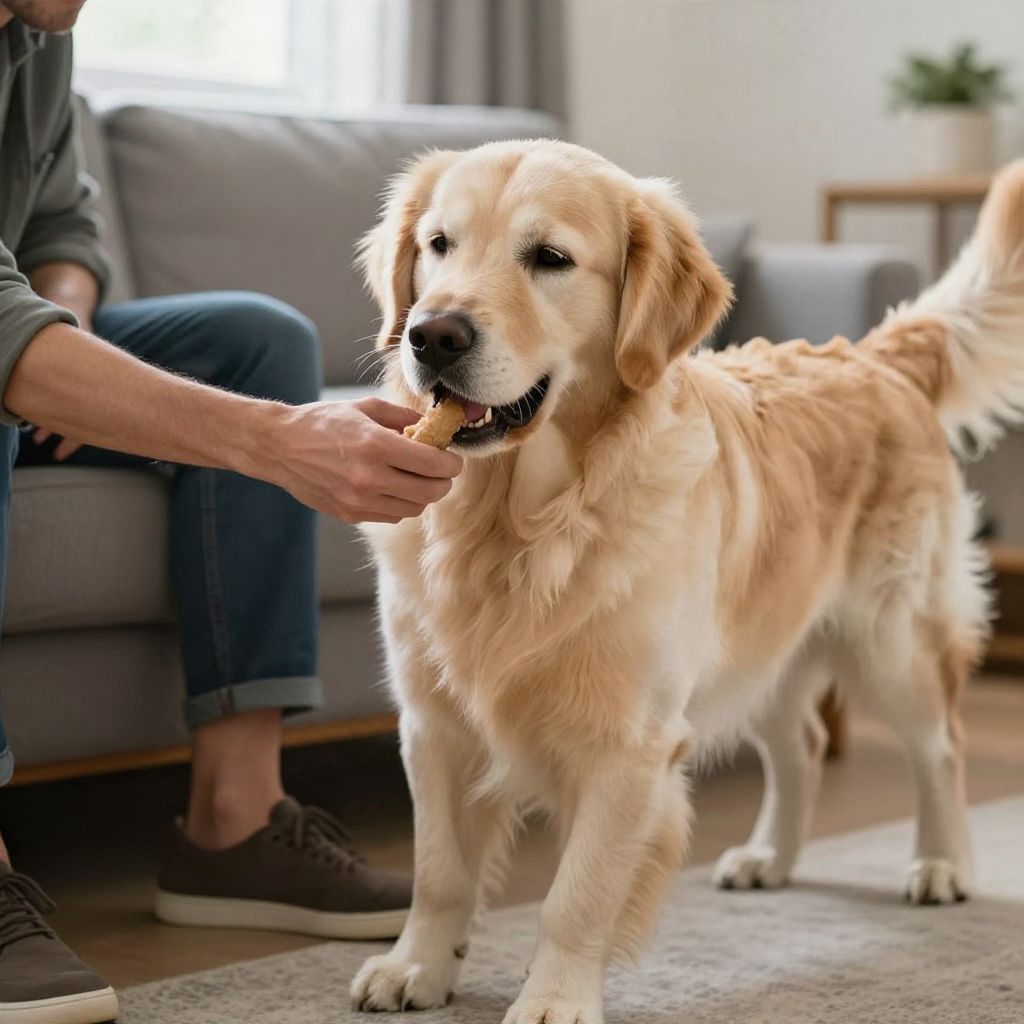
If you’ve noticed your dog rubbing, grinding, or “chewing” at their paws, fur, or an object, you may be asking: what is cobbing in dogs? In most cases, cobbing is a gentle nibbling or nibbling-like behavior that can be normal, comforting, or a sign of irritation depending on the context.
Understanding when cobbing is harmless and when it points to a problem can help you respond appropriately. The key is to look at what your dog is cobbing, how often it happens, and whether there are other symptoms such as itching, pain, or anxiety.
What Is Cobbing In Dogs?
Cobbing in dogs is a light, repetitive nibbling motion, often with the front teeth, used on their own body, another dog, a person, or an object. It can be playful or soothing, but it may also happen because of itchiness, discomfort, stress, or a skin problem.
What Cobbing Usually Looks Like
Dog owners often describe cobbing as a “corn-cob” style nibble. It is usually softer than biting and less intense than chewing, but the meaning depends on the situation.
- Self-cobbing: nibbling at paws, legs, tail, or flanks
- Social cobbing: gentle nibbling at another dog during play or grooming
- Object cobbing: nibbling blankets, toys, bedding, or clothing
Some dogs do it briefly and then stop. Others repeat it often, which can suggest a physical or emotional trigger.
Why Do Dogs Cobb?
1. Grooming and social bonding
Dogs may nibble each other as part of social grooming or play. This is more likely to be normal when both dogs are relaxed, taking turns, and showing loose body language.
2. Comfort or self-soothing
Some dogs use cobbing the way people fidget. It may happen when they are tired, mildly stressed, or settling down.
3. Itchiness or skin irritation
If your dog suddenly starts cobbing their paws, legs, or body, itching is a common reason. Allergies, fleas, dry skin, infections, or contact irritation can all make a dog nibble at themselves.
4. Pain or discomfort
Dogs sometimes cob at a spot that hurts or feels unusual. This can happen with sore joints, a wound, an irritated paw pad, or something stuck in the fur or skin.
5. Boredom or habit
Dogs that lack enough exercise, enrichment, or attention may develop repetitive nibbling behaviors. In some dogs, this becomes a habit even after the original trigger is gone.
When Cobbing Is Normal And When It Is Not
Occasional gentle cobbing is not automatically a problem. It becomes more concerning when it is frequent, intense, or paired with other signs of illness or distress.
- More likely normal: brief nibbling during relaxed play, grooming, or settling
- More likely a concern: constant cobbing, skin redness, hair loss, licking, limping, whining, or sudden behavior change
If the behavior is new or escalating, it is worth paying attention to the pattern rather than assuming it is harmless.
Common Reasons Dogs Cobb Themselves
Skin allergies
Allergies can cause itching that leads to nibbling, licking, or chewing. Dogs may target the paws, belly, ears, or legs, and the skin may look red or inflamed.
Fleas or other parasites
Even a small number of fleas can make some dogs very itchy. If cobbing becomes frequent, check for flea dirt, scratching, or irritated skin, especially near the tail base and belly.
Dry skin or coat issues
Low humidity, frequent bathing, or an unbalanced coat care routine can contribute to skin discomfort. This is more common in some dogs than others and may vary with season, age, and overall health.
Infection or hot spots
Skin infections can cause strong itching, odor, moisture, and redness. A dog may cob at the area repeatedly, making the problem worse.
Foreign material or injury
A splinter, burr, thorn, cut, or irritated paw pad can lead to focused nibbling. If your dog is fixated on one spot, inspect it carefully and contact a veterinarian if you see swelling, bleeding, or limping.
What Cobbing Can Mean In Social Play
Some dogs nibble each other during play or grooming in a way that is socially normal. The context matters more than the motion itself.
- Loose, wiggly bodies usually suggest play is comfortable
- Pausing and switching roles can be a good sign
- Stiffness, growling, pinned ears, or one dog trying to escape can mean the interaction is too intense
If one dog keeps cobbing another after the other dog moves away, the behavior is no longer mutual and may need management.
How To Respond If Your Dog Is Cobbing
Your response should depend on what your dog is cobbing and whether there are signs of a medical or behavior issue.
- Observe the pattern. Note when it happens, what body part or object is involved, and whether it follows exercise, grooming, meals, or stressful events.
- Check for physical causes. Look for fleas, redness, swelling, broken skin, discharge, or a foreign object.
- Redirect gently. If your dog is nibbling a blanket, clothing, or a person, offer a toy or chew that is appropriate and safe for their size and chewing style.
- Improve enrichment. Add walks, sniffing time, training games, puzzle feeders, and rest periods if boredom seems likely.
- Contact your veterinarian. If the cobbing is frequent, new, or linked with skin changes, pain, or behavior changes, schedule an exam.
What Not To Do
It can be tempting to scold a dog for cobbing, especially if they are nibbling furniture, another pet, or your skin. Punishment usually does not address the cause and can make stress-related behavior worse.
- Do not use harsh corrections or intimidation
- Do not assume all cobbing is “bad behavior”
- Do not ignore repeated self-cobbing that may signal itching or pain
- Do not apply human creams or sprays unless your veterinarian says they are safe
When Cobbing Needs A Vet Visit
Some cobbing is harmless, but certain signs mean your dog should be seen by a veterinarian soon. Because cobbing can be linked to skin disease, pain, or anxiety, a proper exam may be needed to find the cause.
Call your veterinarian promptly if you notice:
- Red, swollen, or moist skin
- Hair loss, scabs, or sores
- Persistent licking, chewing, or scratching
- Bad odor from the skin or ears
- Limping, yelping, or sensitivity when touched
- Sudden changes in behavior, appetite, or energy
Seek urgent veterinary care if your dog has heavy bleeding, a rapidly swelling area, trouble breathing, severe pain, collapse, or a suspected toxin exposure along with unusual behavior.
How Veterinarians May Evaluate The Problem
If cobbing seems excessive, your veterinarian will usually look for the underlying cause rather than treating the nibbling itself. The exam may include a skin check, ear exam, paw inspection, and questions about diet, parasite prevention, and recent changes at home.
Depending on the findings, your veterinarian may recommend parasite control, allergy management, skin testing, or further workup for pain or infection. The right treatment depends on the cause, age, medical history, and overall condition of your dog.
Helping A Dog That Cobbing Seems To Be Stress-Related
If your dog cobbs when alone, during transitions, or in busy environments, stress may be part of the picture. This does not mean the behavior is “just anxiety,” but emotional triggers can contribute.
- Keep routines predictable when possible
- Provide quiet rest spaces
- Use reward-based training to build confidence
- Offer safe chews and enrichment instead of leaving your dog bored
- Ask a certified trainer or veterinary behaviorist for help if the behavior is persistent
For dogs with separation-related stress, repetitive nibbling may improve when the underlying anxiety is addressed, not when the dog is simply told to stop.
Age, Breed, And Individual Differences
Any dog can cob, but the reason may vary with age, health, and temperament. Puppies may nibble during play or teething, while older dogs may cob because of discomfort, itchiness, or changes in mobility.
Breed tendencies can influence coat type, skin sensitivity, or energy level, but they do not determine behavior on their own. Your individual dog’s history and health matter more than breed labels.
Practical Takeaway For Dog Owners
What is cobbing in dogs? It is a light nibbling behavior that can be normal, playful, soothing, or a sign of a problem. The best clue is context: brief social cobbing may be harmless, but repeated self-cobbing or sudden changes deserve attention.
If you are unsure whether your dog’s cobbing is normal, monitor the pattern, check for skin or pain signs, and contact your veterinarian if it persists. If you want to learn more about related digestive issues that can sometimes affect comfort and behavior, you may also find why is my dog having diarrhea? and how to help dog with diarrhea useful for broader dog-care guidance.