
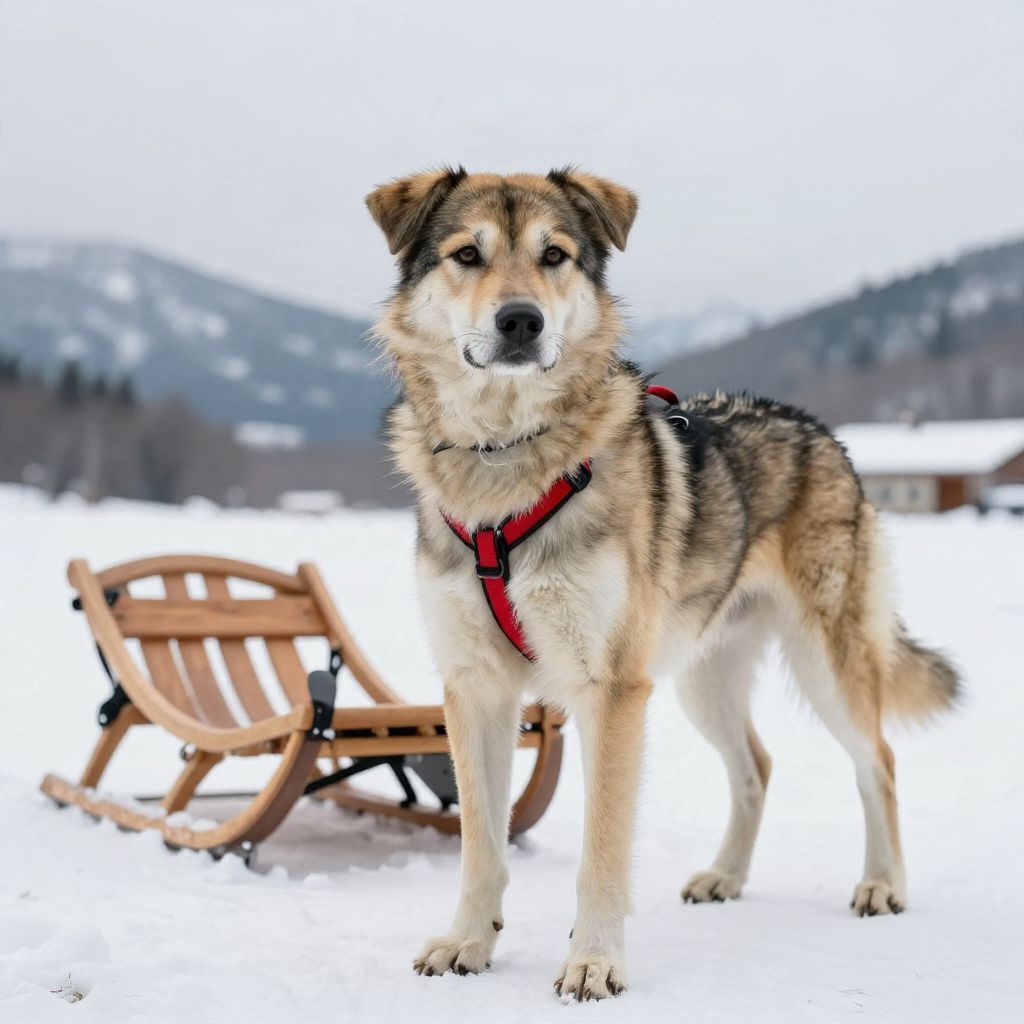
What kind of dog is Max from The Grinch? Max is usually described as a mixed-breed dog, often portrayed as a scruffy, medium-sized hound-type dog rather than a clearly identifiable purebred. Different versions of the story and films show him with slightly different looks, but the character is generally meant to feel like a lovable mixed-breed companion.
If you’re wondering whether Max resembles a real breed, the answer is “maybe, but not exactly.” His floppy ears, lean build, and expressive face give him a hound-like appearance, but his design is fictional and varies by adaptation.
What kind of dog is Max from The Grinch?
Max from The Grinch is best thought of as a fictional mixed-breed dog with hound-like features. He is not officially identified as one exact breed, and his appearance changes across versions. In practical terms, he looks most like a small-to-medium hound mix with a friendly, adaptable temperament.
Why Max looks like a hound mix
Max’s design includes traits people often associate with hounds: long ears, a narrow face, and a lean body. Those features can make him seem like a beagle, coonhound, or similar mix, but the character is not a confirmed match for any one breed.
Common features people notice
- Floppy ears
- Longer muzzle
- Light, agile build
- Expressive eyes and face
- Scruffy or wiry-looking coat in some versions
Because animated and live-action versions differ, it’s more accurate to say Max has a “general hound-mix look” than to assign him a specific breed with certainty.
Does Max’s breed matter for dog owners?
It can matter a little, but not as much as a dog’s individual personality, age, health, and training history. Breed can offer clues about energy level or grooming needs, yet every dog is unique. A mixed-breed dog may show some hound-like tendencies, but those are not guarantees.
What breed guesses can and can’t tell you
- Can help you think about likely coat care, exercise needs, and prey drive.
- Can’t predict exact behavior, temperament, or health.
- Should not replace observing the actual dog in front of you.
If you have a dog that looks like Max, focus on what your dog needs rather than trying to fit them into a perfect breed box.
What a Max-like dog may need in daily care
A dog with a hound-mix appearance often does well with consistent exercise, mental enrichment, and positive training. The exact routine depends on size, age, and health, but many dogs with similar builds benefit from regular walks and scent-based activities.
Exercise and enrichment
- Daily walks at a pace that suits your dog
- Sniffing time, which is especially rewarding for many hound-type dogs
- Food puzzles and scatter feeding for mental stimulation
- Short training sessions using treats and praise
Many owners underestimate how tiring sniffing can be. For a dog with hound-like instincts, a “sniffari” walk can be just as satisfying as a faster walk.
Training approach
Reward-based training is usually the best fit for a dog like Max. Hound-type dogs can be independent thinkers, so patience and consistency matter more than force.
- Use small, tasty rewards.
- Keep sessions short and upbeat.
- Practice recall in safe, enclosed areas first.
- Reward calm behavior and check-ins.
- Manage distractions before expecting perfect responses.
A dog with strong scent interest may wander off mentally when something interesting is in the environment. That does not mean the dog is stubborn or disobedient; it usually means training needs to be more gradual.
Grooming and coat care for a Max-style dog
Max’s coat varies by version, so grooming needs can vary too. A short coat needs less upkeep than a wiry or medium-length coat, but all dogs benefit from routine brushing, nail care, ear checks, and dental care.
Basic grooming checklist
- Brush weekly, or more often if the coat sheds or tangles
- Check ears for odor, redness, or debris
- Trim nails regularly so they don’t click on the floor
- Brush teeth with dog-safe products
- Bathe only as needed to avoid drying the skin
If your dog has floppy ears like Max, ear health deserves extra attention. Moisture and debris can build up more easily in some ear shapes, so ask your veterinarian if you notice frequent shaking, scratching, or odor.
Feeding a dog with Max-like energy and body type
There is no special “Max diet,” and no breed-specific food is required just because a dog resembles him. The best diet is one that is complete and balanced for your dog’s life stage, size, and activity level.
What to focus on
- Age-appropriate food: puppy, adult, or senior
- Portion control based on body condition, not guesswork
- Consistent mealtimes
- Treats kept to a reasonable amount
- Fresh water available at all times
If your dog is very active, they may need more calories than a couch-potato companion of the same size. If they are gaining weight, talk with your veterinarian before cutting food sharply.
Foods to avoid
Some human foods are unsafe for dogs, even if they seem harmless. Keep chocolate, grapes, raisins, onions, garlic, xylitol-containing products, and alcohol away from your dog. If your dog eats something questionable, contact your veterinarian or a pet poison helpline right away.
Behavior traits people often associate with Max
Max is shown as loyal, clever, and emotionally expressive, but that is a fictional character portrayal. Real dogs that resemble him may be affectionate and playful, yet they can also be shy, energetic, reserved, or highly independent.
Typical tendencies that may show up in hound-type mixes
- Strong interest in smells
- Enjoyment of outdoor exploration
- Occasional vocalizing
- Independent problem-solving
- Good potential for bonding with patient, consistent people
These are tendencies, not rules. A mixed-breed dog can surprise you in either direction, so it’s better to train the dog you have than the dog you expected.
Health concerns to watch for in a similar-looking dog
Because Max is fictional, there is no breed-specific medical profile for him. Still, if your dog has a hound-like build or mixed-breed background, routine preventive care is important. Your veterinarian can help monitor weight, teeth, ears, skin, joints, and overall wellness.
When to call the vet
- Persistent ear scratching, odor, or discharge
- Sudden limping or difficulty standing
- Vomiting or diarrhea that continues
- Loss of appetite lasting more than a day or two
- Itching, redness, or hair loss
- Behavior changes such as hiding, restlessness, or unusual aggression
Seek urgent veterinary care if your dog has trouble breathing, collapses, has a swollen abdomen, has seizures, or may have eaten something toxic. Those are not situations to watch and wait.
How to care for a rescue or mixed-breed dog that reminds you of Max
If you adopted a dog that looks like Max, you may not know the exact breed mix. That’s okay. Good care starts with observation, routine, and a relationship built on trust.
Helpful first steps
- Schedule a veterinary exam soon after adoption.
- Ask about vaccines, parasite prevention, and spay/neuter timing if needed.
- Start a predictable feeding and potty routine.
- Use a harness and leash that fit well.
- Introduce new people, dogs, and environments gradually.
Mixed-breed dogs often benefit from a little extra patience during the adjustment period. Give them time to settle before expecting their full personality to show.
Common mistakes to avoid
When people try to care for a Max-like dog based on appearance alone, they sometimes make avoidable mistakes. The biggest one is assuming breed guesswork tells the whole story.
- Assuming the dog needs intense exercise because of a hound look
- Overfeeding treats because the dog is “small enough” to handle it
- Skipping ear checks on a floppy-eared dog
- Using harsh training methods when the dog is distracted or independent
- Ignoring changes in appetite, mobility, or behavior
Instead, let your dog’s condition guide your decisions. Body shape, age, and energy level matter more than a character comparison.
Bottom line: what kind of dog is Max from The Grinch?
Max is best described as a fictional mixed-breed dog with hound-like features, not a single confirmed breed. If your own dog resembles him, focus on practical care: balanced nutrition, regular exercise, positive training, grooming, and preventive vet visits. That approach will help far more than guessing the breed.
If you want to keep exploring dog characters, you may also enjoy reading about the Grinch’s dog’s name and comparing Max with other famous movie dogs like Lady from Lady and the Tramp.