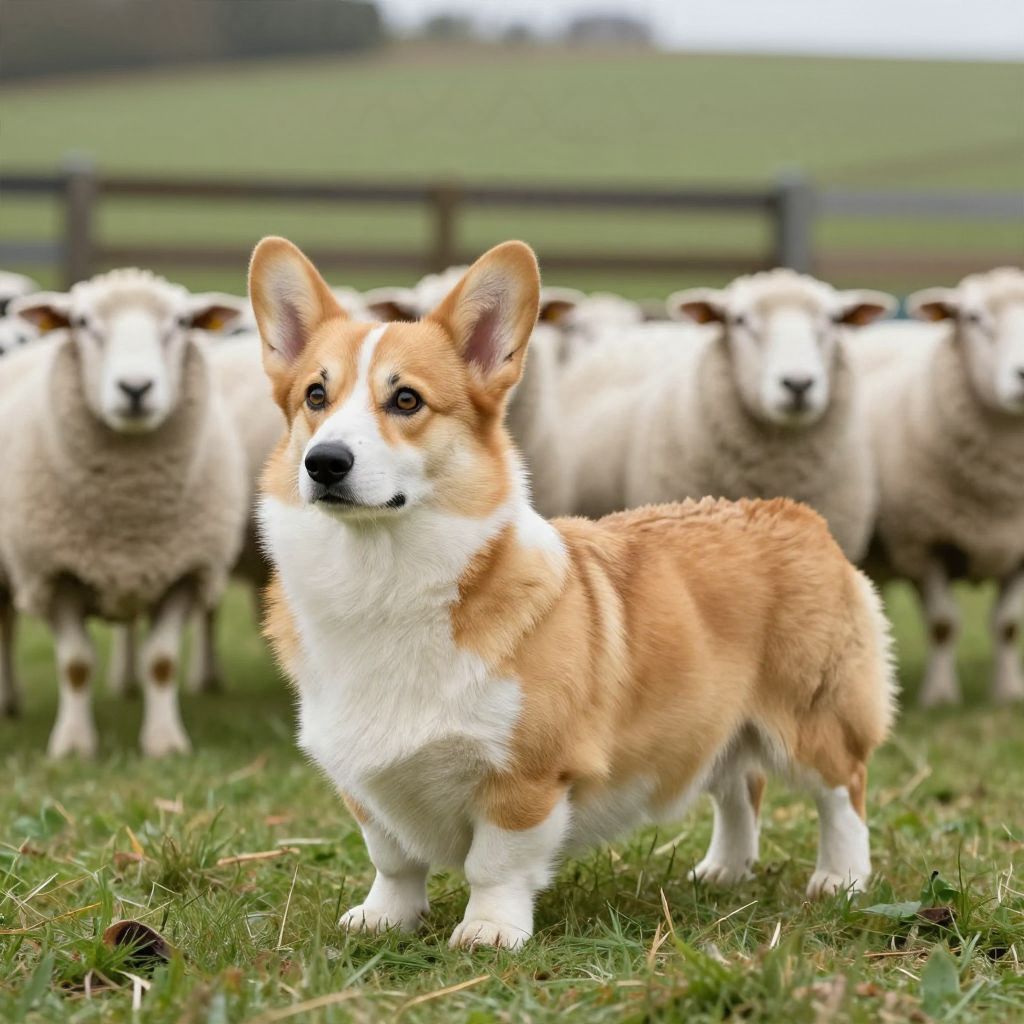
What were Corgis bred for? Corgis were developed as herding dogs, especially for moving cattle and other livestock. Their low, sturdy build helped them nip at heels and duck under kicks, while their quick movement and alert nature made them effective working dogs.
Today, many Corgis are beloved companions, but their herding instincts can still show up in daily life. Understanding their original job helps you meet their exercise, training, and enrichment needs in a way that supports good behavior and well-being.
What Were Corgis Bred For?
Corgis were bred primarily to herd livestock, especially cattle. Their short legs and agile bodies let them move close to animals while staying low to the ground, and their alert, confident temperament helped them work independently on farms.
How Their Herding Background Still Affects Behavior
Even if your Corgi has never seen a farm, herding instincts can still influence how they act. Not every dog shows these traits the same way, but many Corgis are naturally observant, energetic, and quick to react to movement.
Common herding-related tendencies
- Chasing moving objects, children, or other pets
- Nipping at heels or ankles during play
- Being vocal or alert to sounds and activity
- Wanting to stay close and monitor the household
- Showing strong interest in fast movement, such as balls or squirrels
These behaviors are not “bad” by themselves. They are often normal breed tendencies that need training, structure, and safe outlets.
What This Means for Exercise and Enrichment
Because Corgis were bred for active work, they usually need more than a short walk and a nap. The right amount of activity depends on age, health, and individual energy level, but most benefit from regular physical exercise plus mental work.
Good exercise options
- Brisk leash walks with sniffing time
- Short games of fetch with rest breaks
- Training sessions that use movement and focus
- Food puzzles and scent games
- Low-impact play on safe footing
Be careful not to overdo jumping or repetitive high-impact activity, especially in puppies, overweight dogs, or dogs with back or joint problems. If your Corgi seems stiff, reluctant to move, or painful after exercise, ask your veterinarian for guidance.
Training Tips for a Herding Breed
Corgis often respond well to reward-based training because they are intelligent and motivated by food, play, and attention. Consistency matters more than force, and humane training helps prevent fear, stress, and conflict.
Helpful training priorities
- Teach a reliable recall and basic cues early.
- Reward calm behavior around motion, noise, and visitors.
- Redirect nipping or chasing to toys and structured games.
- Practice loose-leash walking to reduce pulling.
- Use management, like baby gates or leashes, when needed.
If your dog is repeatedly herding children or pets, work on prevention as well as training. Give your Corgi a job, such as settling on a mat, finding treats, or carrying a toy, so their energy has an appropriate outlet.
Living With a Corgi: Practical Care Considerations
Knowing what Corgis were bred for can help you make better day-to-day choices. Their working background means they often do best with routine, engagement, and clear expectations.
Home setup
- Use non-slip rugs or mats if floors are slick.
- Provide a comfortable resting area away from foot traffic.
- Keep stairs, high furniture, and jumping opportunities limited when appropriate.
- Offer puzzle toys or chew-safe enrichment to reduce boredom.
Because Corgis are often social and alert, some may bark more than you expect. Teach a “quiet” cue with rewards, and avoid accidentally reinforcing barking by giving attention only when they are loud.
Grooming and Body Care
Corgis usually have a double coat that sheds, and regular grooming helps keep skin and coat healthy. Grooming needs vary by coat type, season, and individual dog, but most benefit from consistent brushing.
Basic grooming routine
- Brush several times a week, or more during heavy shedding
- Check ears for redness, odor, or debris
- Trim nails before they get too long
- Brush teeth regularly with dog-safe products
- Watch for skin irritation in thick coat areas
Good grooming is also a chance to notice lumps, limping, weight changes, or skin problems early. If you see anything unusual, a veterinary exam is the safest next step.
Health Issues to Watch For
Breed history can help you think about risks, but it does not guarantee any one dog will develop a problem. Corgis may be prone to issues related to their body shape, weight, joints, or spine, so prevention and early care matter.
When to call a veterinarian
- Back pain, yelping, or reluctance to jump or climb
- Weakness, wobbliness, or dragging the hind legs
- Sudden limping or difficulty standing
- Rapid weight gain or trouble exercising
- Persistent coughing, vomiting, diarrhea, or loss of appetite
Seek urgent veterinary care immediately if your dog cannot walk normally, seems paralyzed, has severe pain, has trouble breathing, collapses, or shows a sudden major change in coordination. Do not wait to “see if it passes.”
Feeding and Weight Management
Because Corgis are compact dogs with an active heritage, keeping them at a healthy weight is especially important. Extra pounds can place more strain on the back, hips, knees, and overall mobility.
Simple feeding habits that help
- Measure meals instead of free-feeding when possible
- Use part of the daily ration for training rewards
- Choose treats carefully and keep them small
- Track body condition, not just the number on the scale
- Ask your vet if you are unsure about portions
If your Corgi seems constantly hungry, ask your veterinarian whether the diet, feeding schedule, or activity level needs adjustment. Avoid adding lots of extras from the table, since that can quickly lead to weight gain.
Are Corgis Good Family Dogs?
Many Corgis do well in family homes, especially when children are taught respectful handling and the dog is given structure. Their herding instincts can make them playful and engaged, but they may also try to control movement with nipping or chasing.
Best practices with kids and other pets
- Supervise all interactions between dogs and young children
- Teach children not to run, squeal, or roughhouse around the dog
- Reward calm greetings and four paws on the floor
- Give your dog a quiet retreat space
- Introduce other pets gradually and carefully
With other dogs, Corgis may be confident or socially flexible, but personality matters more than breed labels. Early socialization and thoughtful introductions help, and a certified trainer can be useful if tension develops.
Common Mistakes to Avoid
Understanding what Corgis were bred for can also help you avoid problems that come from mismatched expectations. A dog bred for work usually needs more guidance than a casual pet routine provides.
- Assuming a short walk is enough for mental and physical needs
- Ignoring barking, nipping, or chasing until it becomes a habit
- Using punishment instead of teaching alternative behavior
- Allowing too much jumping or repetitive stair use in a dog with mobility concerns
- Overfeeding treats without adjusting the main diet
If your Corgi’s behavior feels overwhelming, focus on management first, then training. Small, consistent changes are usually more effective than trying to fix everything at once.
When to Get Professional Help
Some issues are best handled with expert support. A veterinarian can assess pain, weight, or medical causes, while a certified trainer or veterinary behaviorist can help with herding, reactivity, fear, or persistent problem behaviors.
Reach out sooner rather than later if your dog shows intense nipping, anxiety, repeated barking, aggression, or movement problems. Early help often makes training and care easier for both you and your dog.
In short, Corgis were bred for herding livestock, and that working history still shapes many of their needs today. If you provide regular exercise, positive training, weight control, and safe enrichment, you can help your Corgi stay healthy, well-behaved, and happy.
For more dog-breed reading, you may also enjoy dog breed guides and care tips and this related look at what kind of dog Lassie is.