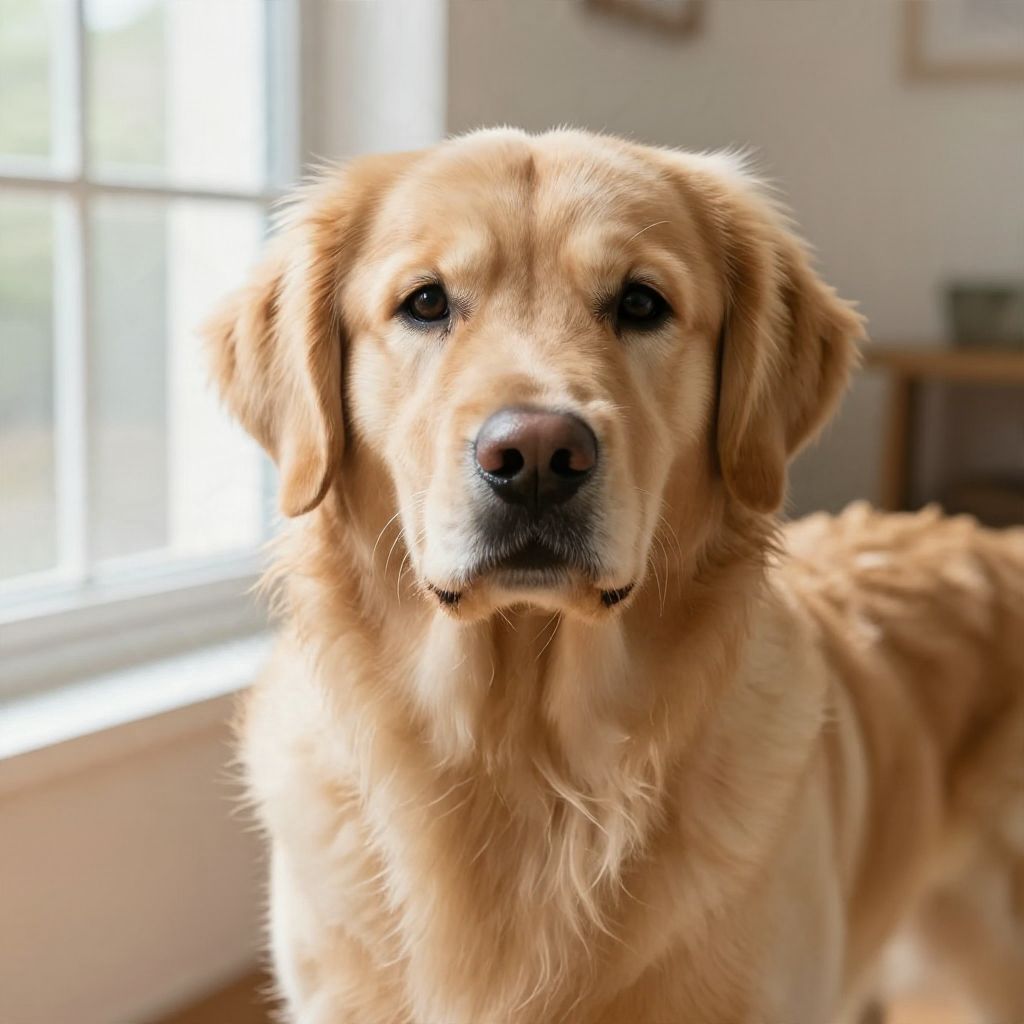
Do dogs have eyebrows? Yes, many dogs have eyebrow-like markings or raised brow muscles that help create facial expressions, but they do not have human-style eyebrows. What you see above a dog’s eyes is usually fur patterning, skin movement, or both.
Those markings can make a dog look especially expressive, but they are not the same as eyebrows in people. If you notice sudden changes around your dog’s eyes, it is worth paying attention, because swelling, irritation, or injury can sometimes look like a “brow” problem.
Do dogs have eyebrows?
Dogs do not have true human-style eyebrows, but many have eyebrow-like markings and muscles that move the skin above the eyes. These features can help dogs communicate emotion, and in some breeds the fur pattern makes the “eyebrows” look very noticeable. The exact appearance varies by breed, coat color, and individual dog.
What people usually mean by “dog eyebrows”
When you ask whether dogs have eyebrows, you are usually noticing one of three things:
- Fur markings that look like dots, stripes, or lighter patches above the eyes.
- Facial muscles that lift the skin and make the brow area seem expressive.
- Loose skin or wrinkles in some dogs that create a brow-like shape.
These features can work together, which is why some dogs seem to have very human-like expressions while others do not.
Why some dogs look like they have eyebrows
Breed traits, coat color, and facial structure all affect whether a dog appears to have eyebrows. Dogs with tan points, dark masks, or contrasting markings often have obvious “eyebrows,” while solid-colored dogs may seem to have none at all.
Breed and coat differences
Some dogs naturally have markings above the eyes that stand out more than others. This is a visual trait, not a sign of better communication or stronger emotion.
- Dogs with tan point coloring may have light spots above the eyes.
- Wire-haired or shaggy-coated dogs may have fur that falls forward and creates a brow effect.
- Short-haired dogs may show more skin movement than fur patterning.
Individual variation matters a lot, so even within the same breed, one dog may look very expressive while another does not.
Facial muscles and expression
Dogs use facial muscles to communicate with people and other dogs. The brow area can move when a dog is alert, worried, curious, or relaxed, which is one reason people feel dogs “raise their eyebrows.”
This movement is part of normal canine body language. It does not mean your dog is trying to mimic human expressions, but it can still tell you a lot about mood and attention.
What dog eyebrow-like expressions can mean
A dog’s brow area can change with emotion, focus, and comfort. The meaning depends on the whole body, not just the eyes.
Common body-language clues
- Raised brows with a soft body: often curiosity or attention.
- Tense brow with stiff posture: possible stress, uncertainty, or concern.
- Squinting or blinking: can be relaxation, but it may also signal eye discomfort.
- One-sided facial change: may suggest pain, nerve issues, or injury and should be checked by a veterinarian.
Look at ears, mouth, tail, posture, and movement too. A “cute eyebrow” expression is only one piece of the picture.
When eyebrow changes are normal and when they are not
Normal eyebrow-like movement happens during everyday communication. What is not normal is a sudden change in the area above the eyes, especially if it comes with pain or swelling.
Usually normal
- Brief brow movement when your dog is alert or curious
- Coat patterns that have always been there
- Wrinkles or skin folds that match your dog’s natural face shape
Needs veterinary attention
- New swelling above or around one eye
- Redness, discharge, or frequent pawing at the face
- Squinting, keeping an eye closed, or light sensitivity
- Sudden asymmetry in the face or brow area
- Hair loss, crusting, or skin sores near the eyes
Urgent care is needed if your dog has facial swelling, trouble breathing, a painful eye, bleeding, trauma, or a suddenly drooping face. Eye problems can worsen quickly.
How to care for the area around your dog’s eyes
Because the brow area sits close to the eyes, grooming should be gentle and careful. The goal is to keep the area clean without irritating the eye itself.
- Check the area during regular grooming for redness, debris, or mats.
- Keep long hair trimmed away from the eyes if your dog’s coat tends to fall forward.
- Use grooming tools carefully so you do not nick the skin near the brow or eyelids.
- Watch for tear staining, crusting, or repeated rubbing.
- Ask your groomer or veterinarian how to safely maintain your dog’s face if the coat is dense or curly.
If your dog has facial folds, keep them clean and dry as directed by your veterinarian, since trapped moisture can irritate the skin.
Can you tell how a dog feels by the eyebrows alone?
Not reliably. The brow area can support your reading of your dog’s mood, but it should never be used alone to judge behavior or health.
For example, a dog may look “sad” because the fur above the eyes creates that appearance, even when the dog is happy and relaxed. On the other hand, a dog with a subtle brow change may be uncomfortable even if the face looks calm.
Use the full body-language picture
- Eyes: soft, squinty, wide, or fixed
- Ears: forward, neutral, pinned back, or shifting
- Mouth: relaxed, closed, panting, lip licking, or tense
- Body: loose, leaning in, crouched, stiff, or trembling
- Tail: neutral, wagging loosely, tucked, or held high and rigid
Common mistakes owners make
Most eyebrow-related mistakes happen when people assume a face shape means a certain emotion or ignore signs of eye discomfort.
- Assuming all expressive faces mean happiness when the dog may be stressed.
- Ignoring one-sided changes in the brow or eye area.
- Cutting hair too close and irritating the skin or eye.
- Using human eye products without veterinary guidance.
- Waiting too long when squinting, swelling, or discharge appears.
When to call the veterinarian
Contact your veterinarian if the eyebrow area changes suddenly, looks painful, or seems different from your dog’s normal face. Eye and facial issues can be caused by allergies, infection, injury, foreign material, dental problems, skin disease, or nerve-related conditions.
Seek prompt veterinary care if you notice:
- Eye discharge that is thick, colored, or persistent
- Swelling around the eye or brow
- Squinting, blinking, or keeping one eye shut
- Scratching or rubbing at the face
- Cloudiness, bleeding, or visible trauma
- Sudden facial droop or uneven expression
Do not wait if your dog seems to be in pain or has any eye injury. Eye problems can be emergencies.
How to support a dog that seems “eyebrow expressive”
If your dog’s brows make them look especially expressive, that is mostly a fun part of their appearance. You can still use that expression as a cue to better understand your dog.
- Notice what situations make your dog’s brows lift or tense.
- Pair facial expressions with body posture and context.
- Reward calm, relaxed behavior with praise, treats, or a favorite activity.
- Keep routines predictable if your dog is sensitive to change.
- Use gentle handling around the face so your dog stays comfortable with grooming and exams.
If your dog dislikes face handling, work slowly and use positive reinforcement. If needed, ask a certified trainer or veterinary behavior professional for help.
Bottom line
Dogs do not have human-style eyebrows, but many have eyebrow-like markings, wrinkles, and facial muscles that make their expressions easy to read. That can be charming, but it also means you should pay attention to sudden changes around the eyes. If the area looks painful, swollen, or different from normal, call your veterinarian.
If you want to learn more about canine anatomy, you may also find it helpful to read about do dogs have knees and do dogs have tonsils.