
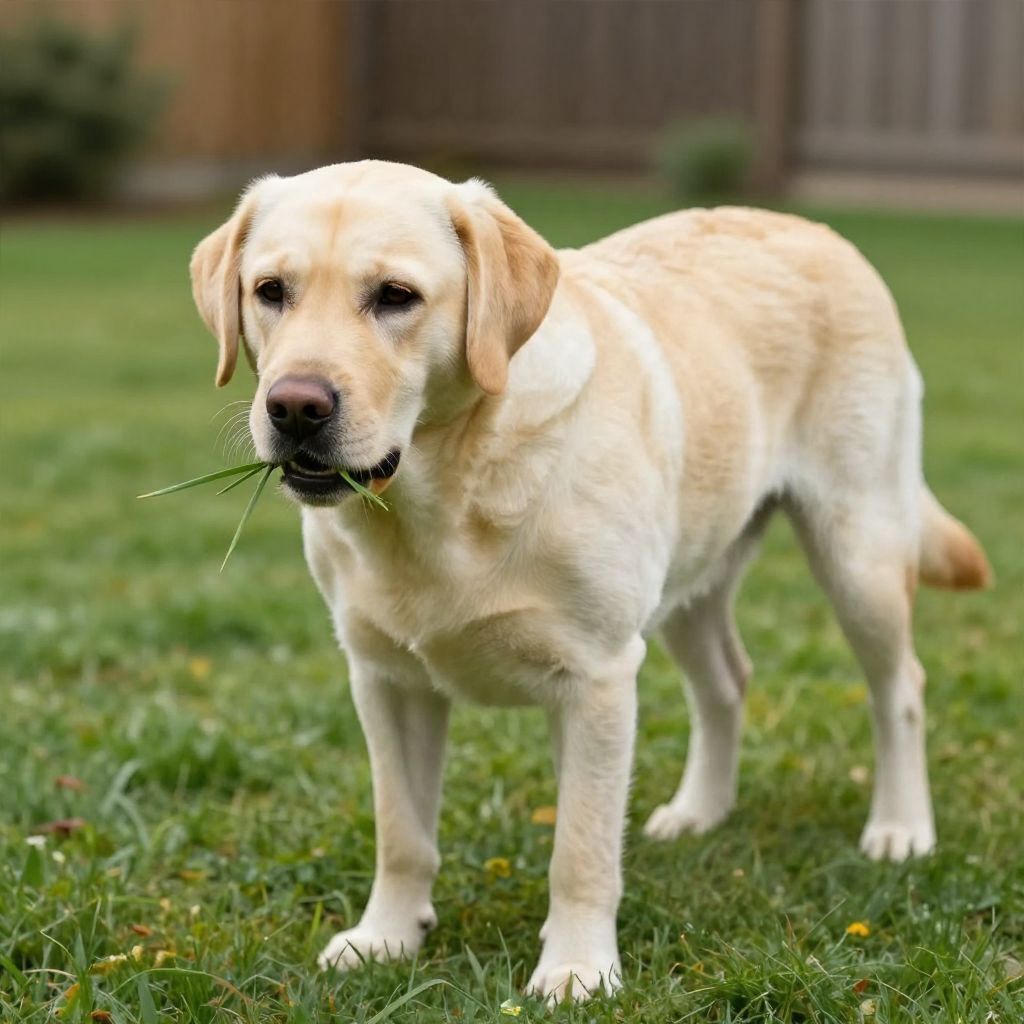
Why does a dog eat grass? In many cases, it’s a normal behavior that can happen out of boredom, curiosity, habit, or because a dog likes the taste or texture. Some dogs also graze when their stomach feels unsettled, but grass-eating alone does not always mean illness.
Most dogs that nibble grass are fine, but repeated vomiting, diarrhea, lethargy, or sudden changes in appetite deserve a vet check. The key is to look at the whole picture: your dog’s age, diet, routine, and any other symptoms.
Why does a dog eat grass?
Dogs often eat grass because it is available, smells interesting, or provides a brief change in texture. Some dogs graze occasionally without any problem, while others do it more when they are under-stimulated, anxious, or feeling mildly nauseated. If the behavior is frequent or paired with illness, ask your veterinarian.
Common reasons dogs eat grass
Grass-eating has several possible explanations, and the reason can vary from dog to dog. A puppy exploring the world is different from an older dog suddenly grazing every day.
1. Normal curiosity or habit
Many dogs investigate the world with their mouths. Grass can become part of a routine walk behavior, especially if your dog has learned it is available and harmless.
2. Boredom or lack of enrichment
Some dogs eat grass when they need more mental or physical activity. If walks are short, play is limited, or your dog spends long periods alone, grazing may be a self-directed way to occupy time.
3. Taste, texture, or scent
Fresh grass may simply be appealing. Seasonal changes, new growth, and different outdoor environments can make some dogs more likely to nibble.
4. Mild stomach upset
Some dogs eat grass when they feel nauseated or uncomfortable. This does not prove they are trying to make themselves vomit, and it does not always lead to vomiting.
5. Stress or anxiety
Dogs may repeat soothing behaviors when they are stressed. Changes in routine, loud noises, new pets, or separation stress can sometimes increase grass-eating.
6. Diet or feeding routine issues
In some dogs, meal timing, rapid eating, or a diet that does not suit their individual needs may contribute to scavenging behaviors. That said, grass-eating is not a reliable sign of a specific nutrient deficiency.
When grass-eating is usually not a problem
If your dog occasionally nibbles grass, then acts normal, eats well, and has normal stools, it is often not an emergency. Many healthy dogs do this from time to time. The behavior matters more when it is new, frequent, intense, or linked to other symptoms.
- Occasional grazing during walks
- No repeated vomiting or diarrhea
- Normal energy and appetite
- No obvious pain, bloating, or distress
Warning signs that need veterinary attention
Grass-eating becomes more concerning when it happens with signs of illness. Do not assume it is “just grass” if your dog seems unwell.
- Repeated vomiting
- Diarrhea, especially if it is bloody or frequent
- Loss of appetite or refusing water
- Abdominal pain, whining, or a tense belly
- Swollen abdomen or repeated unproductive retching
- Lethargy, weakness, or collapse
- Excessive drooling, coughing, or gagging
- Sudden behavior change
Seek urgent veterinary care immediately if your dog has a swollen belly, repeated retching without vomiting, trouble breathing, collapse, or you suspect poisoning, choking, or intestinal blockage.
Can eating grass make a dog sick?
Yes, it can sometimes. The grass itself may not be the main issue, but the environment can be risky. Lawns may contain pesticides, fertilizers, herbicides, parasites, sharp debris, or contaminated water.
Even untreated grass can cause problems if your dog gulps large amounts, vomits repeatedly, or eats grass with sticks, mulch, or foreign objects mixed in. If your dog tends to inhale grass rather than nibble it, the risk of stomach upset or choking is higher.
What you can do if your dog keeps eating grass
If the behavior is frequent, start by looking for patterns. The goal is to reduce triggers and make it less rewarding, while keeping your dog safe.
- Track when it happens. Note whether it occurs before meals, during walks, after stress, or when your dog is bored.
- Check for other symptoms. Vomiting, diarrhea, appetite changes, or pain mean it is time to call the vet.
- Improve enrichment. Add sniff walks, puzzle toys, training games, and safe chew options.
- Review the diet. Make sure your dog is eating a complete, balanced food that suits their age and health needs.
- Use management on walks. Redirect with treats, keep your dog moving, or avoid areas treated with chemicals.
- Ask your vet if the pattern is new. A sudden change can signal nausea, dental pain, or another medical issue.
How to redirect the behavior safely
Reward-based training works better than punishment. If you punish grass-eating, you may only teach your dog to hide the behavior or become more anxious.
Helpful redirection ideas
- Call your dog to you and reward with a treat or praise
- Offer a cue they know well, such as “leave it” or “let’s go”
- Bring a toy or food puzzle for walks when appropriate
- Provide more sniffing and foraging opportunities at home
If your dog ignores redirection and keeps searching for grass, the behavior may be driven by habit, boredom, or physical discomfort. In that case, management and a veterinary check are both useful.
Does age matter?
Yes. Puppies, adult dogs, and senior dogs may eat grass for different reasons. Age does not determine the cause, but it changes what you should watch for.
Puppies
Puppies often mouth and taste everything. Occasional grass-eating may be normal exploration, but puppies are also more likely to swallow non-food items and get into trouble outdoors.
Adult dogs
In adult dogs, repeated grass-eating may reflect boredom, routine, mild nausea, or stress. If the behavior is new in an adult dog that never did this before, pay closer attention.
Senior dogs
Older dogs may graze because of digestive discomfort, dental issues, cognitive changes, or other medical problems. A new pattern in a senior dog is worth discussing with your veterinarian sooner rather than later.
Breed differences: what matters and what does not
There is no single breed that always eats grass, and breed alone does not explain the behavior. Some dogs may be more energetic, food-motivated, or prone to boredom, but individual temperament, training, and daily routine matter much more than breed labels.
If your dog is a high-energy or highly curious type, they may need more exercise and enrichment to reduce grazing. Still, any breed can eat grass, and any dog can do it for medical reasons.
When to call the vet
Contact your veterinarian if grass-eating is new, frequent, or paired with any sign of illness. A vet can help sort out whether your dog needs an exam, diet review, parasite check, or further testing.
- The behavior started suddenly
- Your dog vomits more than once
- Your dog has diarrhea or blood in stool
- Your dog seems painful or bloated
- Your dog is eating less or acting tired
- You suspect your dog ate treated grass or a foreign object
If your dog has ongoing stomach upset, your vet may ask about diet, timing of meals, stool quality, and any recent changes at home. Bring details about when the grass-eating happens and whether it seems linked to walks, stress, or meals.
How to make outdoor time safer
You cannot prevent every nibble, but you can reduce risk. Safe outdoor habits matter most if your dog tends to graze often.
- Avoid lawns treated with chemicals
- Keep your dog away from unknown plants and mulch piles
- Use a leash in areas where your dog fixates on grass
- Carry treats to reward attention and recall
- Watch for signs of heat stress, especially during active walks
What not to do
Some common reactions can make the problem worse or miss the real cause. Focus on calm observation and safe management instead.
- Do not punish your dog for eating grass
- Do not assume vomiting after grass means the grass was the cause
- Do not use home remedies without veterinary guidance
- Do not ignore repeated vomiting or other red flags
The bottom line
Why does a dog eat grass? Often it is a harmless habit, but it can also point to boredom, stress, or stomach upset. If your dog is otherwise healthy, occasional grazing may not be a concern. If the behavior is new, frequent, or paired with vomiting, diarrhea, pain, or lethargy, contact your veterinarian promptly.
If you want to compare related guidance, you can also read why dogs keep eating grass or what it means when my dog is eating grass.