
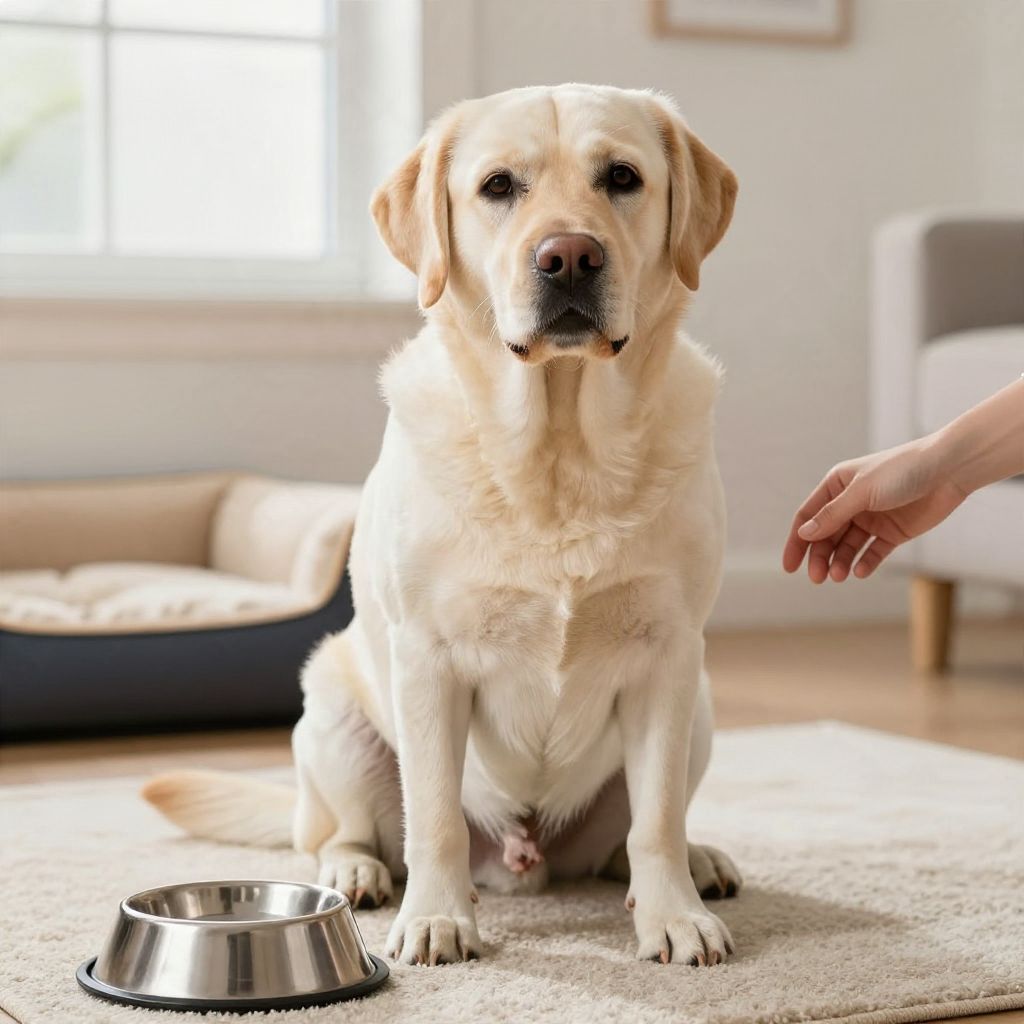
Why does my dog have hiccups? In most dogs, hiccups are caused by a brief spasm of the diaphragm and are usually harmless. They often happen after eating, drinking, excitement, or swallowing air, and they tend to pass on their own.
Most cases need only observation and a calm environment. But if the hiccups are frequent, last a long time, or come with breathing trouble, vomiting, pain, or weakness, your dog should be checked by a veterinarian.
Why does my dog have hiccups?
Dog hiccups usually happen when the diaphragm briefly contracts without warning, often after eating too fast, drinking quickly, excitement, or irritation in the throat or stomach. Puppies get them more often than adult dogs. Most episodes are short-lived, but persistent hiccups can signal an underlying health problem.
Common causes of hiccups in dogs
Many hiccups are linked to normal daily activities rather than illness. The trigger can vary based on age, size, eating style, and overall health.
Eating or drinking too quickly
Dogs that gulp food or water may swallow extra air, which can lead to hiccups. This is especially common in energetic dogs and puppies that are still learning how to slow down at mealtime.
Excitement or stress
Some dogs get hiccups when they are overstimulated, anxious, or playing hard. A burst of excitement can change breathing patterns and cause the diaphragm to spasm briefly.
Rapid breathing during play
Heavy panting or fast breathing during exercise can sometimes be followed by hiccups. This is more likely after intense play, running, or a sudden change from rest to activity.
Stomach irritation
Minor digestive upset, such as mild nausea or reflux, can sometimes contribute to hiccups. If your dog also has drooling, lip licking, burping, or a reduced appetite, pay attention to the bigger pattern rather than the hiccups alone.
Puppy development
Puppies hiccup more often than adult dogs because their bodies are still developing and they often eat, drink, and play in a more hurried way. In many puppies, occasional hiccups are normal and fade as they mature.
What to do when your dog has hiccups
If your dog seems otherwise normal, the best response is usually to stay calm and let the episode pass. You can help reduce triggers and make future episodes less likely.
- Offer a quiet place to rest.
- Pause intense play or exercise.
- Give water in small amounts if your dog wants it.
- Slow down future meals with a puzzle feeder or slow-feeder bowl.
- Keep mealtimes calm and avoid letting your dog bolt food.
If hiccups happen after eating, note how quickly your dog ate and whether they seemed stressed or overexcited. That information can help you spot patterns.
What not to do
Do not try rough “fixes” or force your dog to do something uncomfortable. Avoid startling your dog, forcing food, or using any home remedy that could upset breathing or swallowing.
- Do not pin the tongue or try to “scare” the hiccups away.
- Do not give human medications unless your veterinarian specifically instructs you to.
- Do not keep exercising a dog that is struggling to breathe or seems distressed.
When hiccups are normal and when they are not
Short, occasional hiccups without other symptoms are usually not a concern. The key question is whether your dog is acting normally between episodes and whether the hiccups are becoming more frequent or severe.
Usually harmless signs
- Hiccups last only a few minutes
- Your dog is alert, comfortable, and breathing normally
- Eating, drinking, and energy level are normal
- The episodes happen after meals, play, or excitement
Warning signs that need veterinary advice
- Hiccups that last a long time or happen repeatedly throughout the day
- Vomiting, retching, drooling, or trouble swallowing
- Coughing, wheezing, or labored breathing
- Loss of appetite, lethargy, or obvious discomfort
- Abdominal swelling, restlessness, or signs of pain
- Hiccups in an older dog that are new or unusually frequent
Seek urgent veterinary care right away if your dog has hiccups along with blue or pale gums, collapse, severe breathing difficulty, repeated unproductive retching, or a swollen belly. Those can be emergency signs, and waiting is not safe.
Why puppies get hiccups so often
Puppies are especially prone to hiccups because they eat quickly, get excited easily, and are still developing coordination of their breathing and swallowing. In many young dogs, hiccups are simply part of normal puppy life.
That said, a puppy that hiccups constantly, struggles to keep food down, or seems tired and unwell should be examined. Young dogs can become dehydrated or ill more quickly than healthy adults.
Helpful habits for puppies
- Feed smaller meals more often if your veterinarian recommends it.
- Use a slow feeder if your puppy gulps food.
- Keep play sessions short and calm after meals.
- Watch for signs of parasites, stomach upset, or poor weight gain.
How diet and feeding habits can affect hiccups
Feeding style matters more than the exact brand of food in many cases. Dogs that inhale their meals or drink too fast are more likely to swallow air, which can trigger hiccups.
If your dog has frequent episodes after eating, consider whether the routine encourages speed. Some dogs do better with smaller portions, a calmer feeding area, or enrichment that slows them down.
Simple mealtime changes that may help
- Feed in a quiet spot with fewer distractions.
- Use a slow-feeder bowl or food puzzle.
- Split large meals into smaller portions if your veterinarian agrees.
- Avoid vigorous play immediately before or after meals.
- Make sure your dog has regular access to fresh water.
Could hiccups mean something more serious?
Sometimes, yes. Persistent hiccups can be associated with irritation in the chest or abdomen, respiratory disease, pain, or other medical issues. They can also happen alongside vomiting, coughing, or swallowing problems, which deserve attention.
A single symptom rarely tells the whole story. Your veterinarian will consider your dog’s age, breed tendencies, diet, medications, recent activity, and other signs before deciding whether testing is needed.
Examples of situations worth checking
- Hiccups start after a possible choking episode
- Your dog may have eaten something unusual or irritating
- The episodes are paired with coughing or gagging
- Your dog has a history of digestive, heart, or breathing problems
- The hiccups are new in a senior dog
How your veterinarian may evaluate the problem
If you bring your dog in for hiccups, your veterinarian may ask when they started, how long they last, and whether they happen after eating, drinking, or exercise. They may also ask about appetite, vomiting, coughing, stool changes, and recent access to toys or foreign objects.
Depending on the full picture, they may recommend an exam and, if needed, tests to look for digestive, respiratory, or other underlying causes. The goal is not just to stop the hiccups, but to find out whether they are part of a larger issue.
How to prevent repeated hiccups
You may not be able to prevent every episode, but you can reduce common triggers. Prevention is mostly about slowing things down and watching for patterns.
- Keep meals calm and consistent.
- Prevent frantic drinking after exercise.
- Use training and enrichment that do not overstimulate your dog.
- Watch for food sensitivities or digestive upset if hiccups happen often with other symptoms.
- Schedule a veterinary visit if the pattern changes or worsens.
Bottom line
Why does my dog have hiccups? Most of the time, it is a brief and harmless diaphragm spasm linked to eating, drinking, excitement, or play. If the hiccups are frequent, prolonged, or paired with other symptoms, contact your veterinarian promptly.
If you want to learn more about related dog health patterns, you may also find why puppies get hiccups helpful, and this guide on dog dandruff may be useful if you are tracking other changes in your dog’s health.