
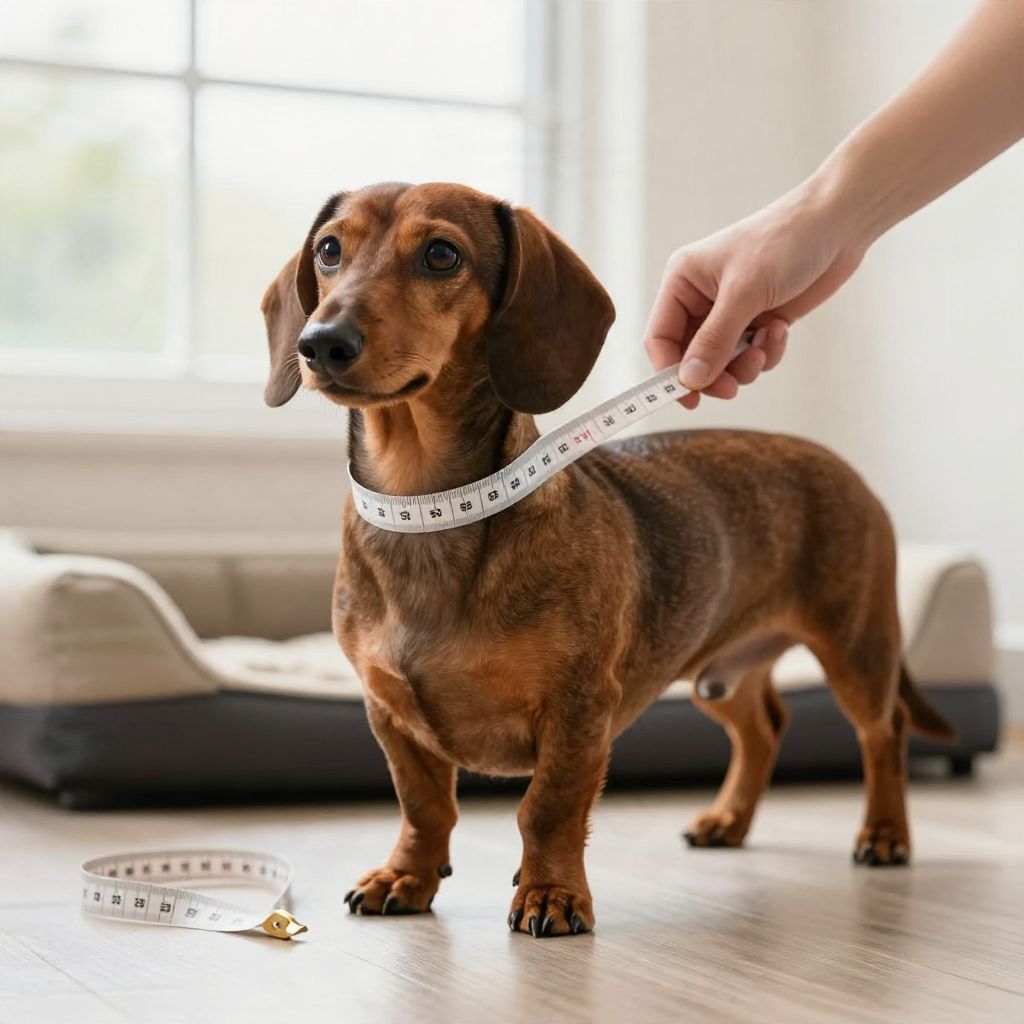
How big do mini dachshunds get? Most mini dachshunds stay small, but “mini” refers to a size range, not a tiny toy dog. Their adult size depends on genetics, sex, diet, activity, and overall health, so individual dogs can vary a bit.
If you’re choosing a puppy or tracking growth, it helps to know the typical adult weight and height, plus the signs that your dog is growing normally. Mini dachshunds also need careful weight management because even a little extra body fat can strain their long backs.
How big do mini dachshunds get?
Mini dachshunds usually weigh under 11 pounds as adults and stand about 5 to 6 inches tall at the shoulder. Some may be slightly smaller or a little larger, but a healthy mini dachshund should still look narrow, balanced, and fit—not stocky or overweight.
What counts as a mini dachshund?
“Mini” describes a smaller dachshund size category, not a separate personality type or a guarantee of being tiny forever. A puppy’s eventual size is influenced mostly by genetics, with nutrition and health affecting whether growth stays on track.
Mini vs. standard dachshund
- Mini dachshund: typically under 11 pounds as an adult
- Standard dachshund: larger overall, often well above the mini range
Breeders and registries may use slightly different wording, so ask for the puppy’s parents’ sizes and expected adult weight if you want a better estimate.
How tall and long do mini dachshunds get?
Mini dachshunds are low to the ground with a long body and short legs. Their height is usually measured at the shoulder, and their body length can look much longer than their height, which is part of the breed’s distinctive shape.
Because body proportions matter as much as weight, a mini dachshund should still have a visible waist and a tucked-up abdomen when viewed from the side. If your dog looks rounder than that, weight gain may be happening even if the scale seems modest.
How fast do mini dachshunds grow?
Mini dachshunds grow quickly during puppyhood, then gradually fill out as they mature. Many reach most of their height by around 6 to 8 months, but they may continue to gain muscle and body mass until they are about 12 months old, sometimes a bit longer.
Growth can vary by puppy
- Puppies from smaller parents often stay on the smaller end.
- Male and female dogs may differ slightly in size.
- Illness, poor nutrition, or parasites can affect growth.
- Overfeeding can cause unhealthy weight gain, not healthy growth.
How to tell if your mini dachshund is a healthy size
The best way to judge size is not just by weight, but by body condition. A healthy mini dachshund should feel lean, with ribs easy to feel under a light fat covering and a waist visible from above.
Simple body condition checks
- Look from above: you should see a slight waist behind the ribs.
- Look from the side: the belly should tuck up a little.
- Feel the ribs: they should be easy to feel, but not sharply visible.
- Watch movement: your dog should move comfortably without strain.
If you are unsure, your veterinarian can score body condition and tell you whether your dog is underweight, ideal, or overweight.
Why weight matters so much in mini dachshunds
Mini dachshunds are especially sensitive to excess weight because of their long backs and short legs. Extra pounds can make it harder for them to move comfortably and may increase stress on joints and the spine.
Keeping your dog at a healthy size is one of the most practical ways you can support long-term mobility. This is especially important if your dachshund likes jumping on furniture, using stairs, or playing energetically.
Helpful weight-management habits
- Measure meals instead of free-feeding.
- Use treats sparingly during training.
- Choose low-calorie rewards when possible.
- Keep exercise regular and age-appropriate.
- Weigh your dog periodically to catch slow gain early.
How much should a mini dachshund eat?
There is no single feeding amount that fits every mini dachshund. Food needs depend on age, activity level, metabolism, whether the dog is neutered or spayed, and the calorie content of the food you use.
For the safest approach, follow the feeding guide on the dog food package as a starting point, then adjust based on your dog’s body condition and your veterinarian’s advice. Treats should stay limited and should not make up a large share of daily calories.
Exercise for a mini dachshund
Mini dachshunds need regular exercise to stay fit, but the goal is controlled activity, not high-impact jumping or rough play. Short walks, sniffing games, and gentle indoor enrichment are often a better fit than intense exercise.
Good exercise options
- Leashed walks at a comfortable pace
- Sniffing and search games
- Food puzzles and training sessions
- Gentle play on safe, non-slippery floors
Try to limit repeated jumping off couches, beds, or stairs, especially in puppies and dogs with back concerns. If your dog already has mobility issues, ask your veterinarian what level of exercise is safe.
Common size-related concerns in mini dachshunds
Some mini dachshunds are naturally petite, while others are simply built a bit larger within the breed’s normal range. What matters most is whether your dog is proportionate, active, and maintaining a healthy body condition.
When a dog seems too small
If a puppy is not gaining weight, seems weak, has diarrhea, vomits repeatedly, or has a poor appetite, contact your veterinarian. Small size can sometimes reflect illness, parasites, dental problems, or other health issues.
When a dog seems too large
If your mini dachshund is gaining weight quickly, seems short of breath, tires easily, or can no longer feel comfortably lean, schedule a vet visit. Your veterinarian can help rule out medical causes and create a safe weight plan.
How to measure your mini dachshund at home
Measuring your dog can help you track growth and spot changes early. Keep it simple and use the same method each time for consistency.
- Weigh your dog on a pet scale or by weighing yourself while holding your dog, then subtracting your weight.
- Measure shoulder height from the floor to the top of the shoulder blades.
- Record the numbers every few weeks during puppyhood.
- Compare changes with your veterinarian’s growth expectations.
Small fluctuations are normal, but a steady upward trend after adulthood may mean your dog is gaining excess weight.
When to call the vet
Reach out to your veterinarian if you notice persistent changes in appetite, energy, stool quality, or body shape. A growth concern is worth checking sooner rather than later, especially in a small dog where weight changes can happen quickly.
Seek urgent veterinary care if your mini dachshund suddenly cannot walk normally, cries out in pain, drags the back legs, has a rigid back, or loses bladder or bowel control. These can be emergency signs of a serious spinal problem.
Tips for raising a healthy mini dachshund
Good care helps your dog stay within a healthy size range and supports long-term comfort. The most useful habits are usually the simplest ones.
- Feed a complete, age-appropriate diet.
- Keep treats small and infrequent.
- Use ramps or steps to reduce jumping.
- Maintain a regular walking routine.
- Schedule routine veterinary checkups.
- Watch for subtle weight gain over time.
Conclusion
Mini dachshunds usually stay under 11 pounds and remain small, low-to-the-ground dogs as adults. The best way to support your dog’s health is to focus on body condition, steady growth, and weight control rather than size alone. If you are unsure whether your dachshund is on track, your veterinarian can help.
If you’re comparing small breeds, you may also find it helpful to read about how big Cavapoos get or how big mini Bernedoodles get.