
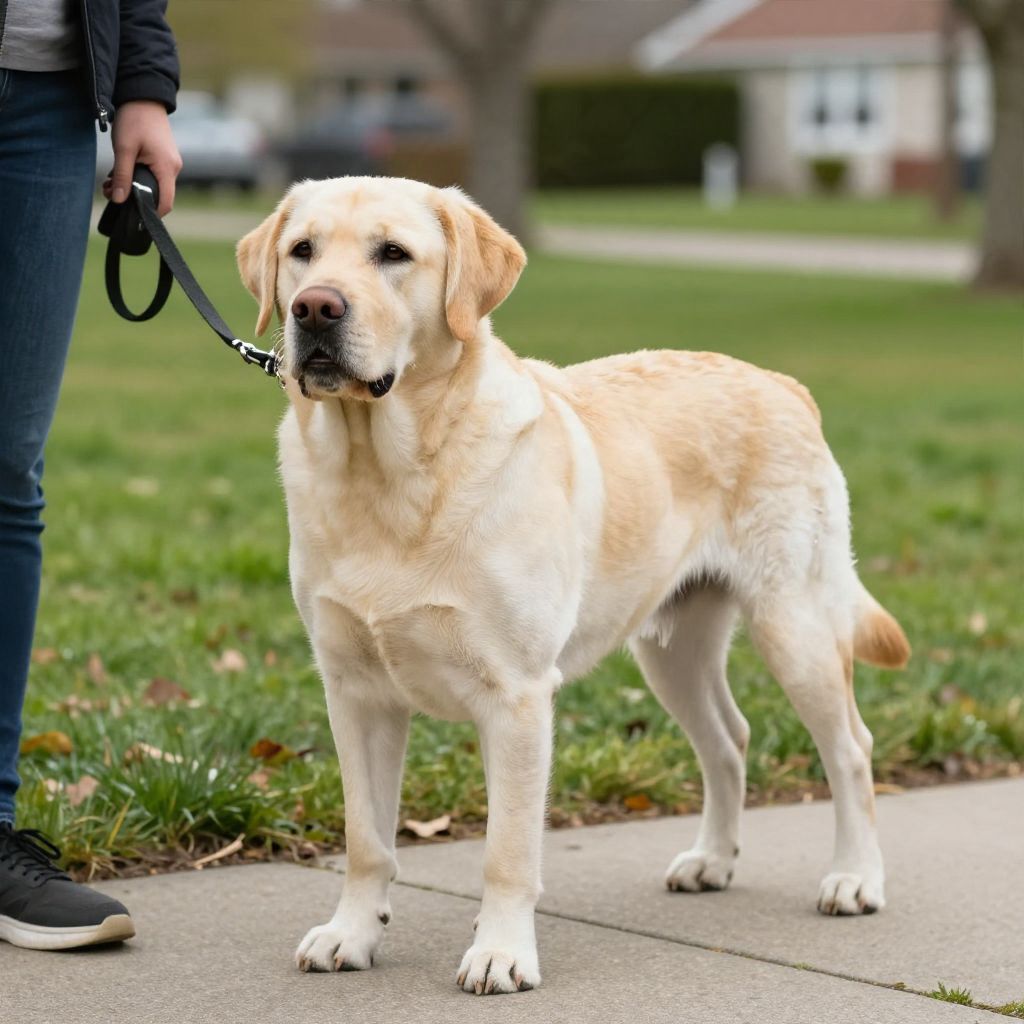
If you’re wondering how often should a dog poop, the short answer is that many healthy adult dogs go once or twice a day. Some normal dogs go a little more or less often, depending on diet, age, activity, and individual digestion.
What matters most is your dog’s normal pattern. A sudden change, straining, diarrhea, blood, pain, or not pooping for too long can signal a problem and should be checked by a veterinarian.
How often should a dog poop?
Most adult dogs poop 1 to 2 times per day, but a healthy range can be broader. Puppies often poop more often, while some senior dogs or dogs on certain diets may go less frequently. The key is consistency, comfort, and normal stool quality.
What affects how often a dog poops?
Several everyday factors can change your dog’s bathroom schedule. A dog that eats more fiber, drinks well, and gets regular exercise may poop more predictably than a dog with a different routine.
- Age: Puppies usually need to go more often than adult dogs.
- Diet: Food type, fiber content, and treat intake can affect stool frequency and size.
- Hydration: Dogs that drink less may pass harder stools less often.
- Activity level: Movement often helps stimulate normal bowel function.
- Routine: Regular feeding and walk times often lead to regular bowel movements.
- Health status: Digestive upset, pain, parasites, and other medical issues can change pooping habits.
What is normal for puppies?
Puppies generally poop more often than adult dogs because their digestive systems are still developing and they eat frequently. Many puppies need to go after meals, after play, and shortly after waking up.
For house training, expect frequent bathroom breaks and close supervision. If your puppy suddenly stops pooping, strains, has watery stool, or seems uncomfortable, contact your veterinarian.
Puppy poop patterns to watch
- Very frequent stools can be normal in a young puppy, but persistent diarrhea is not.
- Accidents in the house may mean your puppy needs more frequent outings, not punishment.
- Changes in appetite, vomiting, or lethargy along with stool changes need veterinary attention.
How breed, size, and age can change poop frequency
Breed alone does not determine how often a dog should poop, but body size, metabolism, and individual digestion can influence it. Smaller dogs may eat smaller meals and have different patterns than larger dogs, and senior dogs may be less predictable if they have slower digestion or medical issues.
Because dogs vary so much, avoid comparing your dog too closely to another dog of the same breed. A “normal” schedule is the one that fits your dog’s usual routine and stays comfortable.
What does healthy dog poop look like?
Frequency matters, but stool quality matters too. Healthy poop is usually formed, easy to pick up, and not excessively dry, greasy, or watery.
- Normal: Formed stool that is brown and passed without straining.
- Too hard: Small, dry pellets or very firm stool may suggest constipation or dehydration.
- Too soft: Loose stool may happen after diet changes, stress, or illness.
- Concerning: Blood, mucus, black/tarry stool, or repeated diarrhea needs veterinary advice.
When is it too long between poops?
If your dog is not pooping for more than a day or two compared with their usual pattern, pay attention. A mild delay can happen after travel, stress, or a small diet change, but prolonged constipation or repeated attempts without results should not be ignored.
Call your veterinarian sooner if your dog is also vomiting, bloated, painful, eating poorly, or acting weak. Those signs can point to a more serious problem than simple constipation.
Red flags that need urgent veterinary care
- Repeated straining with little or no stool
- Vomiting along with no bowel movement
- Swollen or painful abdomen
- Blood in the stool or black, tarry stool
- Sudden lethargy, collapse, or refusal to eat
- Possible foreign body ingestion, such as toys, bones, cloth, or string
How diet affects how often a dog poops
Food has a major effect on stool frequency and consistency. Dogs fed highly digestible diets may produce less stool, while diets with more fiber may increase stool volume and regularity.
Sudden food changes often upset the gut. If you switch foods, do it gradually unless your veterinarian tells you otherwise.
Helpful feeding habits
- Feed meals at consistent times each day.
- Avoid frequent, abrupt food changes.
- Keep treats in moderation so they do not disrupt digestion.
- Make fresh water available at all times.
- Ask your vet before adding supplements for constipation or loose stool.
How exercise and routine help bowel movements
Regular movement can help keep your dog’s digestive tract working normally. Many dogs poop after a walk, play session, or meal because activity helps trigger the bowel reflex.
A predictable schedule also helps you notice changes sooner. If your dog normally poops twice a day and suddenly drops to once every two days, that pattern is worth tracking.
Stress, travel, and changes at home
Stress can change how often a dog poops. New environments, boarding, schedule changes, loud noises, or a new pet in the home may cause temporary constipation or loose stools.
Try to keep feeding, walking, and potty routines as consistent as possible during transitions. If the problem lasts more than a short time or your dog seems unwell, contact your veterinarian.
How to support regular pooping at home
Simple care habits can help your dog stay regular. These steps are safe for most healthy dogs and support overall digestive health.
- Maintain a consistent feeding schedule.
- Use a balanced diet appropriate for your dog’s life stage.
- Provide enough daily exercise for your dog’s age and ability.
- Offer frequent potty breaks, especially for puppies and seniors.
- Monitor stool changes so you can spot patterns early.
If your dog is already having digestive trouble, do not start random home treatments or human medications. Some products that seem harmless can be unsafe for dogs or can hide a more serious condition.
When to call the veterinarian
Contact your veterinarian if your dog’s pooping pattern changes and does not return to normal quickly, or if the stool looks abnormal. A vet can help determine whether the issue is diet-related, stress-related, or medical.
Seek prompt veterinary advice if your dog has ongoing constipation, frequent diarrhea, repeated accidents, pain while pooping, or any signs of dehydration. Puppies, senior dogs, and dogs with chronic illness should be checked sooner rather than later.
Practical takeaway
So, how often should a dog poop? For many healthy adult dogs, once or twice daily is typical, but your dog’s normal can vary. Focus on consistency, stool quality, and comfort, and contact your veterinarian if you notice a sudden change or any red-flag symptoms.
If you want to learn more, you may also find these guides helpful: how often dogs poop and how to firm up dog poop.