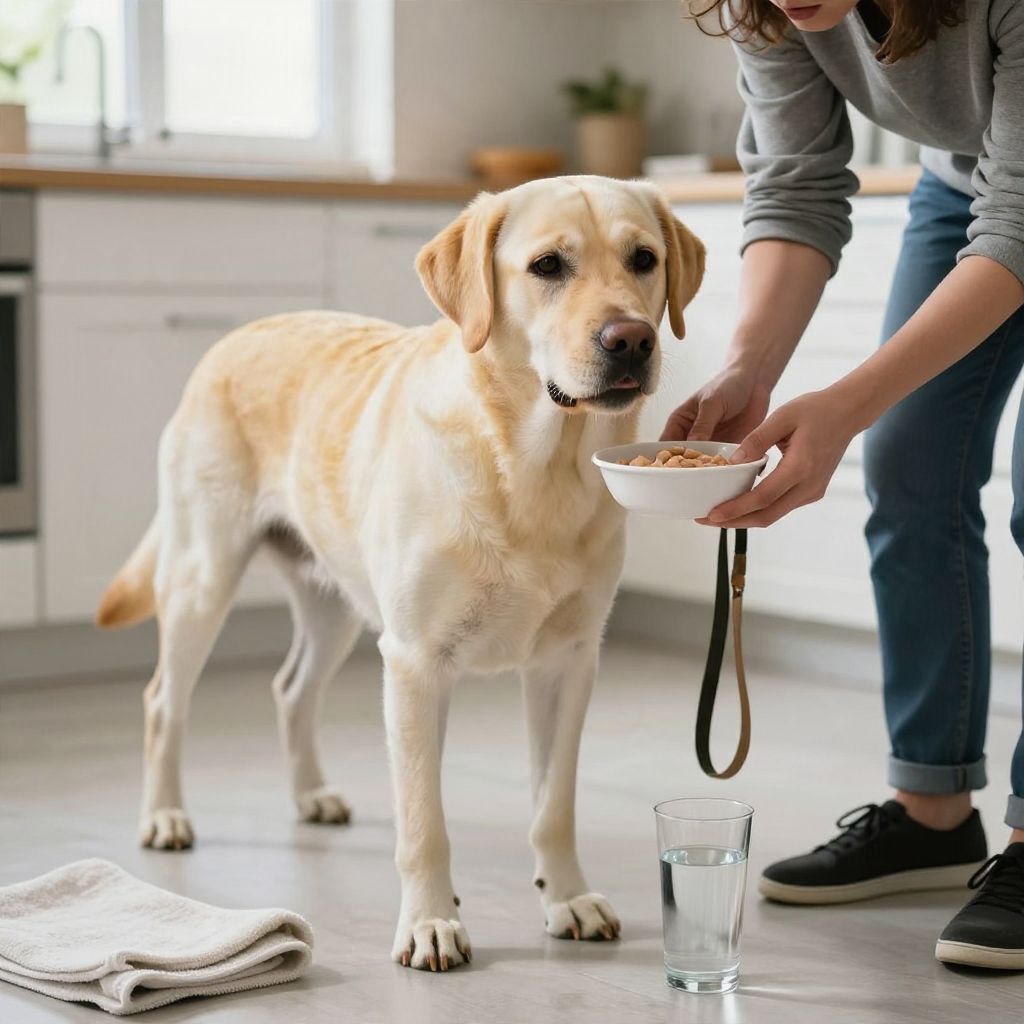
Dog diarrhea is common, but it can range from a mild stomach upset to a sign of something more serious. The right response depends on your dog’s age, overall health, and whether other symptoms are present.
In many mild cases, you can help by pausing rich treats, offering water, and feeding a bland, vet-approved diet if your veterinarian says it is appropriate. But bloody stool, repeated vomiting, weakness, dehydration, or diarrhea in a puppy needs prompt veterinary advice.
How To Stop Dog Diarrhea?
Start by removing likely triggers such as table scraps, new treats, or sudden diet changes, then monitor your dog closely. Keep fresh water available, watch for dehydration, and contact your veterinarian if diarrhea is severe, lasts more than a day or two, or comes with vomiting, blood, pain, or lethargy.
First, check how serious it is
Before you try to manage diarrhea at home, look at the whole picture. Loose stool alone is different from diarrhea plus vomiting, fever, abdominal pain, or a dog that seems weak, dehydrated, or “off.”
Call a veterinarian urgently if you notice:
- Blood in the stool or black, tarry stool
- Repeated vomiting, especially if your dog cannot keep water down
- Marked lethargy, collapse, or obvious weakness
- Swollen abdomen, straining, or signs of pain
- Diarrhea in a puppy, toy breed, senior dog, or dog with a chronic illness
- Possible toxin exposure, foreign body ingestion, or a sudden severe change in behavior
- Signs of dehydration such as dry gums, sunken eyes, or very low energy
If your dog is a puppy, diarrhea can become serious quickly because small bodies dehydrate faster. Older dogs and dogs with kidney disease, diabetes, bowel disease, or immune problems also need earlier veterinary input.
Step-by-step: what you can do at home for mild diarrhea
Home care is only appropriate when your dog is bright, drinking, and otherwise acting fairly normal. If you are unsure, it is safer to call your veterinarian before trying to manage it yourself.
- Stop rich extras. Pause table scraps, chews, fatty treats, and anything new your dog recently ate.
- Keep water available. Encourage small, frequent drinks. Do not force large amounts at once.
- Rest the stomach if your vet recommends it. Some dogs may benefit from a short food break, but this is not appropriate for every dog, especially puppies or dogs with other health issues.
- Reintroduce food carefully. If your veterinarian approves, offer a bland, easy-to-digest meal in small portions.
- Watch stool and energy level. Improvement should be gradual, not instant, and your dog should remain alert and hydrated.
What a bland diet usually means
A bland diet is typically a temporary, simple meal plan recommended by a veterinarian. It is not a long-term diet and should not replace balanced dog food for more than a short period unless your vet directs otherwise.
Because dogs vary in size, age, and medical history, the right bland diet and feeding schedule can differ. Your veterinarian may suggest a commercial gastrointestinal diet or a home-prepared option that fits your dog’s needs.
What to avoid when your dog has diarrhea
Some common “fixes” can make things worse or delay proper treatment. Avoid adding new supplements or home remedies without veterinary guidance.
- Do not give human anti-diarrheal or pain medicines unless your veterinarian specifically instructs you to do so.
- Do not offer greasy foods or large meals.
- Do not keep switching foods repeatedly in search of a quick fix.
- Do not ignore repeated episodes that keep coming back.
- Do not assume it is “just something they ate” if your dog seems unwell or the diarrhea is severe.
Some dogs also react poorly to sudden diet changes, while others may have food sensitivities, parasites, stress-related diarrhea, or a medical condition that needs diagnosis. The cause matters because the best treatment depends on it.
Common causes of dog diarrhea
Dog diarrhea can happen for many reasons, and the cause is not always obvious. A single mild episode may follow dietary indiscretion, but ongoing or recurrent diarrhea deserves a veterinary exam.
- Sudden food changes
- Eating garbage, spoiled food, or too many treats
- Stress, travel, boarding, or routine changes
- Intestinal parasites
- Food intolerance or sensitivity
- Viral, bacterial, or other infectious disease
- Inflammatory bowel disease or other chronic digestive disorders
- Pancreatitis or other organ disease
- Foreign body ingestion
- Medication side effects
Breed can sometimes matter indirectly, but it does not determine the cause on its own. For example, any dog can get diarrhea from scavenging, while some dogs may be more prone to digestive upset because of their individual stomach sensitivity or medical history.
How age affects what you should do
Puppies
Puppies need faster attention because dehydration and low blood sugar can develop quickly. Even if the diarrhea seems mild, a puppy with loose stool, vomiting, poor appetite, or low energy should be discussed with a veterinarian promptly.
Adult dogs
Healthy adult dogs with a single mild episode may improve with careful home management, but repeated diarrhea or any sign of illness should be evaluated. If your dog has a sensitive stomach, your vet may help you identify a more stable feeding plan.
Senior dogs
Older dogs are more likely to have underlying disease, take medications, or become dehydrated more easily. Do not wait long if a senior dog has diarrhea, especially if it is paired with weakness, weight loss, vomiting, or changes in drinking.
When diarrhea keeps coming back
Recurrent diarrhea is a clue that the problem may be more than a one-time stomach upset. If your dog improves and then relapses, write down what they ate, any treats or chews, stressors, and how long each episode lasted.
This information helps your veterinarian decide whether testing is needed, such as a fecal exam, diet trial, or other diagnostics. Recurrent diarrhea should not be managed by repeatedly changing foods on your own.
How to help prevent future episodes
You cannot prevent every stomach upset, but you can reduce the risk of diarrhea with a few practical habits.
- Transition to new food gradually over several days, not all at once
- Keep trash, spoiled food, and unsafe items out of reach
- Use treats sparingly and choose ones that agree with your dog
- Follow parasite prevention and routine veterinary care
- Keep your dog’s diet consistent when possible
- Reduce stress during travel, boarding, or schedule changes
- Ask your veterinarian before changing diets for a sensitive stomach
Some dogs do better on diets designed for digestive sensitivity, but the right choice depends on the individual dog. A veterinarian can help you decide whether a diet change, parasite testing, or further workup makes the most sense.
Signs your dog is getting worse instead of better
Even if you started home care, stop waiting and call your veterinarian if the diarrhea is not improving or new symptoms appear. Worsening signs can mean the problem is becoming more serious.
- More frequent or more watery stool
- Vomiting after drinking or eating
- Refusing food for more than a short period
- Increasing tiredness or hiding
- Blood, mucus, or very dark stool
- Signs of dehydration
- Abdominal pain or a bloated belly
If your dog seems painful, cannot keep water down, or has bloody diarrhea, do not wait for it to “pass.” Those are reasons for prompt veterinary care.
Practical troubleshooting for common situations
If your dog ate something unusual
If your dog may have eaten garbage, a toy, bones, spoiled food, or another questionable item, contact your veterinarian. Some ingested objects can cause obstruction or irritation that needs urgent treatment.
If diarrhea started after a food change
Diet changes should usually be gradual. If the switch was abrupt and your dog is otherwise well, your veterinarian may advise a temporary return to the previous diet or a more controlled transition plan.
If stress seems to be the trigger
Travel, boarding, visitors, or routine disruption can upset some dogs’ digestion. Keep meals consistent, minimize extra treats, and provide a calm routine, but still seek veterinary advice if the diarrhea is severe or prolonged.
If your dog has a sensitive stomach
Some dogs are more prone to digestive upset than others, but “sensitive stomach” should not be used as a catch-all explanation. Recurrent episodes deserve a real plan from your vet rather than repeated guesswork.
Bottom line
To stop dog diarrhea, focus first on safety: assess how sick your dog is, remove likely triggers, keep water available, and follow your veterinarian’s guidance on feeding. Get prompt help for puppies, seniors, bloody stool, vomiting, pain, weakness, or any sign of dehydration.
If you want more practical guidance, you may also find these helpful: what can you give a dog for diarrhea and what to give a dog with an upset stomach.