
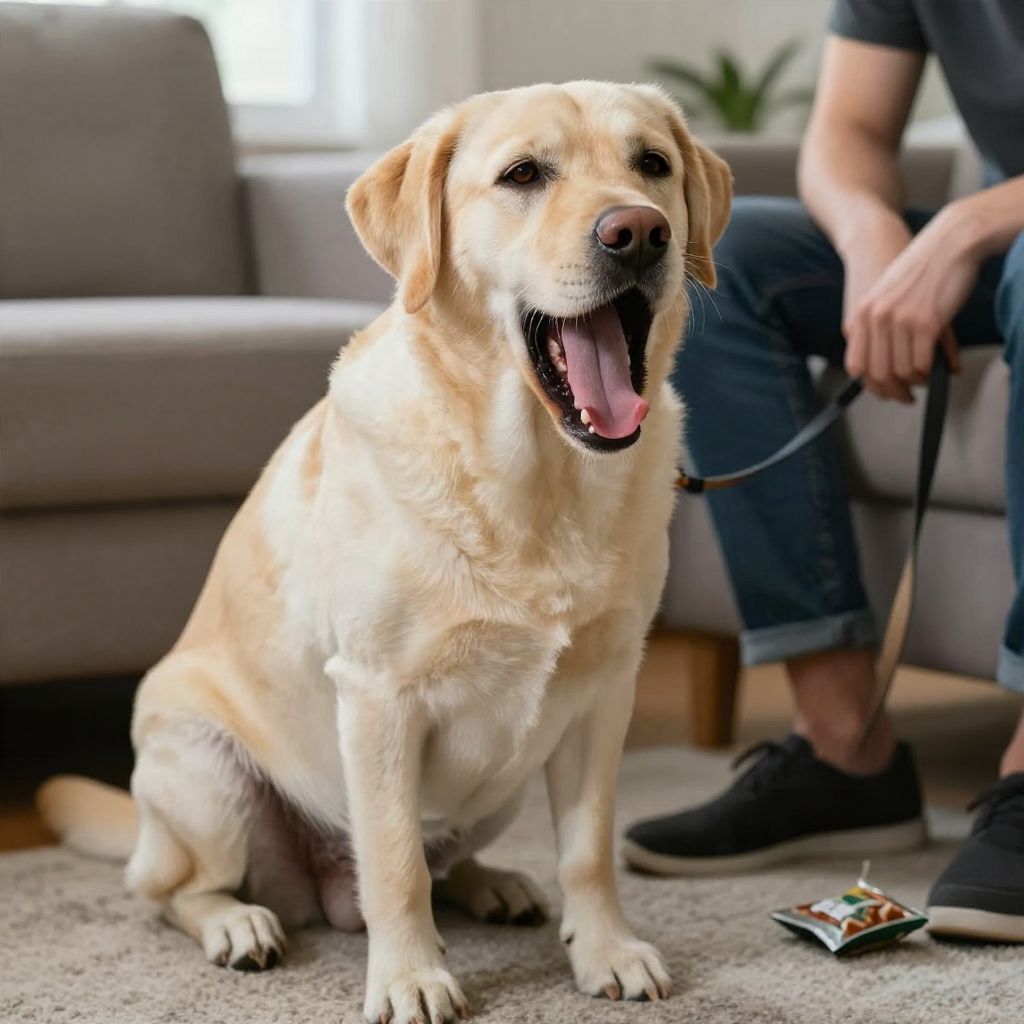
Why does my dog yawn so much? A lot of yawning is often normal, but frequent yawning can also be a sign of stress, fatigue, nausea, pain, or a medical problem. The meaning depends on the situation, your dog’s body language, and whether other symptoms are present.
Most of the time, yawning is a communication signal or a way to settle themselves. If it suddenly increases, happens with illness signs, or seems out of character, it is worth paying attention and, in some cases, calling your veterinarian.
Why does my dog yawn so much?
Dogs yawn for many reasons: they may be tired, relaxed, anxious, overstimulated, nauseated, or uncomfortable. Occasional yawning is normal, but repeated yawning, especially with pacing, panting, drooling, vomiting, or changes in behavior, can mean your dog is stressed or unwell and should be assessed by a veterinarian.
Common reasons dogs yawn
1. Sleepiness or waking up
Like people, dogs often yawn when they are tired or transitioning between rest and activity. Puppies and senior dogs may yawn more simply because they need more sleep or have less energy.
2. Stress, anxiety, or conflict
Yawning is a common calming signal in dogs. You may notice it during vet visits, grooming, car rides, training sessions, or around unfamiliar people or dogs.
In these situations, yawning can mean, “I’m unsure,” “I need space,” or “This is a lot for me.” It does not always mean fear, but it often shows mild stress or social tension.
3. Overstimulation or excitement
Some dogs yawn when they are excited but struggling to regulate themselves. This can happen at the dog park, when visitors arrive, or during intense play.
If the yawning comes with jumping, barking, spinning, or difficulty settling, your dog may need a calmer environment and shorter, more structured interactions.
4. Nausea or motion sickness
Frequent yawning can happen before vomiting or when a dog feels queasy. You might also see lip licking, drooling, swallowing, restlessness, or refusing food.
If your dog yawns a lot in the car or after eating, mention it to your vet. Motion sickness and digestive upset are common possibilities, but they should not be guessed at from yawning alone.
5. Pain or discomfort
Dogs sometimes yawn more when they are uncomfortable, especially if they are trying to cope with pain. This may be subtle and easy to miss if yawning is the only sign.
Look for stiffness, reluctance to jump, changes in posture, hiding, reduced appetite, or sensitivity when touched. These signs make a vet visit more important.
6. Social communication
Dogs may yawn in response to another dog or person. It can be a polite, low-conflict signal that helps reduce tension.
This is especially relevant in multi-dog homes, at training classes, or during greetings. Yawning here is not a problem by itself, but it can help you read your dog’s comfort level.
7. Medical causes
Less commonly, frequent yawning may be linked to health issues such as pain, nausea, anxiety disorders, or other underlying medical conditions. Because yawning is nonspecific, it is not possible to identify the cause from yawning alone.
If the behavior is new, persistent, or paired with other symptoms, veterinary evaluation is the safest next step.
How to tell normal yawning from a concern
Normal yawning usually happens occasionally and fits the situation, such as after waking or during a quiet moment. Concerning yawning is frequent, repetitive, or clearly paired with distress or illness.
- More likely normal: one or two yawns after a nap, during a calm stretch, or before settling down.
- More concerning: repeated yawning during stress, car rides, meals, or when your dog seems restless, painful, or unwell.
- Needs prompt attention: yawning plus vomiting, collapse, bloated abdomen, trouble breathing, severe lethargy, or obvious pain.
What to do if your dog yawns a lot
1. Observe the whole picture
Watch what happens right before and after the yawns. The context often matters more than the yawn itself.
Ask yourself whether your dog is tired, anxious, excited, car sick, or uncomfortable. Note any changes in appetite, energy, stool, breathing, or mobility.
2. Reduce stressors when possible
If yawning seems tied to stress, lower the pressure. Give your dog space, quiet, and predictable routines.
- Keep greetings calm and brief.
- Use a safe retreat area or bed.
- Shorten training sessions if your dog seems overloaded.
- Limit exposure to noisy or crowded situations when possible.
3. Use reward-based support
If your dog yawns during training or handling, pause and make the experience easier. Reward calm behavior, offer breaks, and use gentle desensitization if needed.
Avoid punishment or forcing your dog to “get over it.” That can increase stress and make the yawning, avoidance, or fear worse.
4. Check for physical causes
Consider whether your dog may be hungry, nauseated, in pain, or overheated. Make sure fresh water is available and that exercise is appropriate for the weather and your dog’s condition.
If yawning appears after meals, travel, or activity, keep a simple log. Patterns can help your veterinarian narrow down the cause.
5. Schedule a veterinary visit when needed
If the yawning is frequent and unexplained, or if it comes with other symptoms, a veterinarian can check for pain, digestive issues, anxiety-related concerns, and other medical causes.
Bring notes about when it happens, how long it lasts, and any changes in behavior. That history can be very helpful.
When yawning is an emergency
Seek urgent veterinary care right away if your dog is yawning a lot and also has any of these signs:
- trouble breathing or noisy breathing
- repeated vomiting or retching
- a swollen or painful abdomen
- collapse, weakness, or inability to stand
- severe lethargy or unresponsiveness
- signs of significant pain, such as crying out or guarding the body
- possible toxin exposure or injury
These symptoms matter more than the yawning itself and should not be monitored at home.
Age, breed, and individual differences
Some dogs yawn more because of temperament, life stage, or their current environment. Puppies may yawn when tired or overstimulated, while senior dogs may yawn more if they are uncomfortable or fatigued.
Breed alone does not explain yawning. Individual personality, training history, health, and daily stress levels are usually more important than breed stereotypes.
Common mistakes to avoid
- Assuming all yawning means “just tired.”
- Ignoring repeated yawning when other symptoms are present.
- Using punishment if yawning happens during training or handling.
- Forcing your dog into stressful situations without breaks.
- Trying home treatment for vomiting, pain, or breathing problems instead of calling a vet.
How to help your dog feel calmer
If stress seems likely, focus on predictability and low-pressure routines. Many dogs do better with regular exercise, mental enrichment, and clear rest periods.
- Keep a consistent daily schedule.
- Offer sniffing walks and puzzle toys.
- Give your dog quiet time after exciting events.
- Use positive reinforcement for calm behavior.
- Work with a certified trainer or veterinary behaviorist if anxiety is frequent.
These steps do not replace medical care, but they can reduce stress-related yawning and improve your dog’s overall comfort.
Bottom line
Why does my dog yawn so much? Often it is normal, but repeated yawning can also signal stress, nausea, pain, or illness. Pay attention to the context and any other symptoms, and contact your veterinarian if the behavior is new, persistent, or concerning.
If you want to learn more, you may also find this related reading useful: why does my dog yawn so much and why do dogs yawn.