
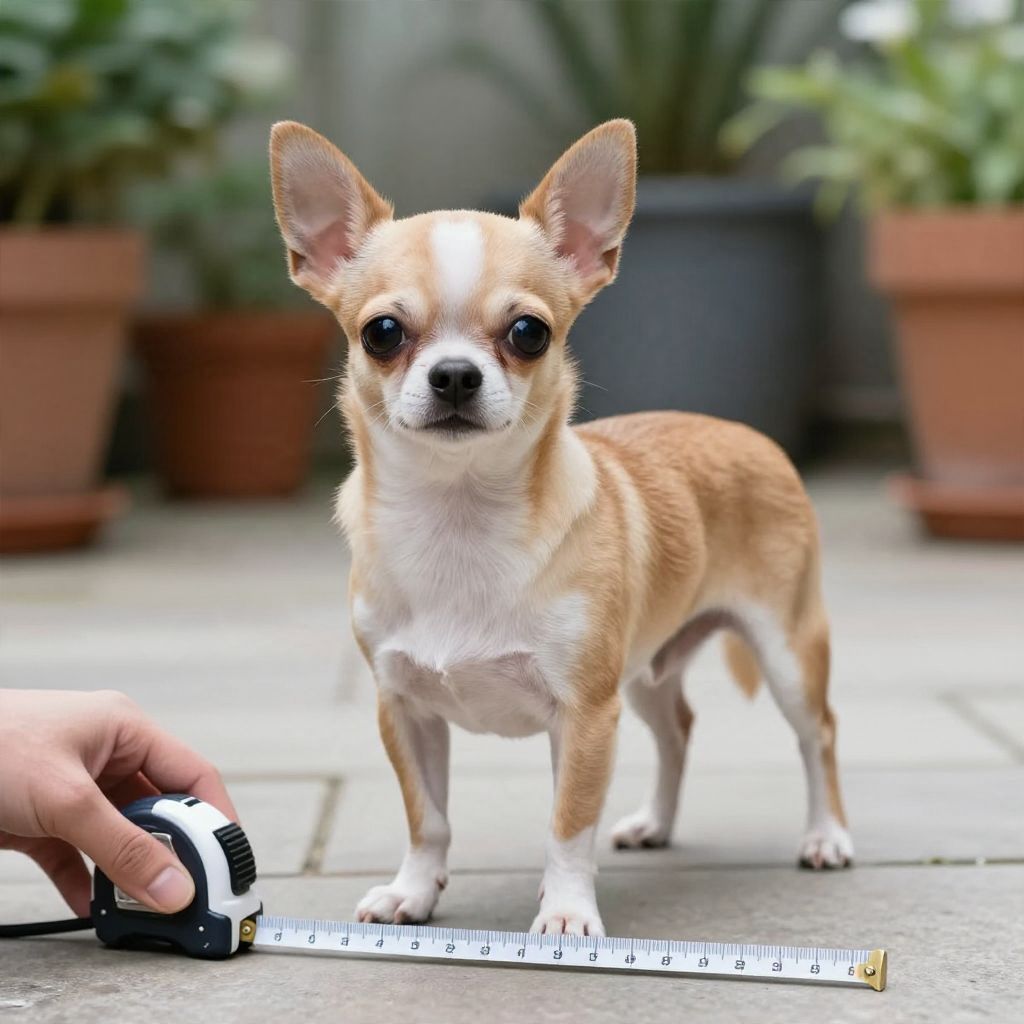
What is the smallest dog? In general, it is a toy-breed dog that stays tiny as an adult, often weighing only a few pounds. The exact “smallest” can change depending on whether you mean the lightest breed, the shortest breed, or the tiniest individual dog.
If you are comparing breeds, size alone should not be the only factor. Very small dogs can be lively, affectionate, and long-lived, but they also need careful handling, safe exercise, and close attention to health and nutrition.
What Is The Smallest Dog?
The smallest dog is usually considered a toy-breed dog with an adult size so small it may weigh just a few pounds. If you mean breed size, the Chihuahua is often cited as one of the smallest dog breeds overall, though “smallest” can also refer to height, weight, or a single exceptionally tiny dog.
What “Smallest” Really Means
People use the phrase in different ways, so it helps to be specific. A dog may be the smallest by weight, the shortest by height, or simply the tiniest individual in a litter or among pets you have seen.
Three common ways people define it
- Lightest breed: The breed with the lowest typical adult weight.
- Shortest breed: The breed with the lowest shoulder height.
- Smallest individual dog: A single dog that is unusually tiny, even within its breed.
Because of that, there is no single universal answer that fits every situation. Breed standards, mixed-breed ancestry, age, and health all affect final size.
Which Dog Breeds Are Usually Considered The Smallest?
Several toy breeds are commonly mentioned when people ask about the smallest dog. These include the Chihuahua, Yorkshire Terrier, Pomeranian, Maltese, and some toy poodles or other toy-sized breeds. Individual dogs within these breeds can vary quite a bit.
Small size does not mean identical needs
Two dogs from the same breed can differ in temperament, energy level, and health risks. A tiny dog may be bold and active, while another may be cautious or more sensitive to handling and noise.
- Chihuahua: Often one of the best-known very small breeds.
- Maltese: Small, lightweight, and usually suited to indoor life with regular care.
- Yorkshire Terrier: Tiny in size, but often energetic and alert.
- Pomeranian: Small-bodied with a fluffy coat that can make them look larger.
- Toy Poodle: Small and intelligent, with grooming needs that can be significant.
Why Tiny Dogs Need Special Care
Small dogs are not fragile in personality, but their bodies are physically delicate. Their size can make them more vulnerable to falls, rough handling, cold weather, and accidental injury from larger pets or children.
Common safety concerns for very small dogs
- Falls: Jumping from furniture can cause injury.
- Overhandling: Rough play or squeezing can frighten or hurt them.
- Temperature sensitivity: Some small dogs get cold quickly.
- Dental issues: Toy breeds can be prone to dental disease and need good oral care.
- Low blood sugar in puppies: Tiny puppies may need frequent meals and close monitoring.
If you have a very small puppy, ask your veterinarian about safe feeding, parasite prevention, and vaccination timing. Puppies of any breed can become ill quickly, and tiny puppies may have less reserve if they stop eating.
Feeding The Smallest Dogs
Small dogs often need nutrient-dense food in smaller portions, but they still need a complete and balanced diet. Do not assume that “less food” is always better; underfeeding can be just as harmful as overfeeding.
Helpful feeding habits
- Choose a complete dog food made for the dog’s life stage.
- Measure meals instead of free-feeding from a large bowl.
- Watch body condition, not just the number on the scale.
- Use small training treats so rewards do not add too many calories.
- Ask your vet if your dog needs a diet adjusted for age, dental health, or medical issues.
Some tiny dogs are picky eaters, but frequent food refusal, vomiting, diarrhea, or weight loss should not be ignored. Those signs can point to dental pain, digestive disease, stress, or another medical problem.
Exercise And Enrichment For Tiny Dogs
Even the smallest dog needs daily activity. Many toy breeds enjoy short walks, play sessions, sniffing games, and training practice. The goal is to keep them fit and mentally engaged without overexertion.
Good activity options
- Short leash walks at a comfortable pace
- Indoor fetch with soft toys
- Food puzzles and sniffing games
- Simple reward-based training sessions
- Gentle social time with calm dogs they know well
Because tiny dogs can tire faster than larger dogs, watch for panting, lagging behind, or reluctance to continue. If your dog seems sore, stiff, or unusually tired after exercise, a veterinary check is a good idea.
Training And Socialization For Small Dogs
Small dogs benefit from the same kind of humane training as any other dog. Early socialization, basic cues, and calm handling help them feel safer and make everyday care easier.
What works best
- Reward-based training: Use treats, praise, and play.
- Gentle handling practice: Touch paws, ears, and collar area calmly.
- Confidence-building exposure: Introduce new sounds, surfaces, and people gradually.
- Management: Prevent scary experiences instead of forcing them.
It is a common mistake to let a tiny dog “get away with everything” because it seems harmless. Small dogs still need manners, structure, and boundaries so they can live safely with people and other animals.
Grooming And Hygiene Needs
Grooming depends on coat type more than size alone, but many small breeds need regular brushing, nail trims, and dental care. Long-coated toy breeds may need frequent coat maintenance to prevent tangles and skin problems.
Basic grooming checklist
- Brush the coat as needed for the breed and coat length
- Trim nails regularly
- Check ears for redness, odor, or debris
- Brush teeth with dog-safe products if your vet recommends it
- Look for skin irritation, mats, or signs of discomfort
Very small dogs may be more prone to dental crowding, so routine dental care matters. Ask your veterinarian how often your dog should have professional dental evaluations.
Health Risks That Can Be More Common In Very Small Dogs
Not every tiny dog will develop health problems, but some issues are seen more often in toy breeds or in very small individuals. The exact risk depends on genetics, age, and overall health.
Problems to watch for
- Dental disease
- Luxating patellas, or kneecap problems
- Tracheal irritation or coughing in some small dogs
- Low blood sugar in young puppies
- Injury from jumping or rough play
Call a veterinarian promptly if your small dog has trouble breathing, collapses, cannot stand, has repeated vomiting, seems weak, or has pale gums. These are urgent warning signs, not problems to monitor at home.
How To Tell If A Small Dog Is Too Small For Its Own Good
Some dogs are naturally petite and healthy, while others are too thin, underdeveloped, or ill. A dog that is unusually tiny for its breed may need a veterinary exam, especially if it has poor appetite, low energy, or delayed growth.
Red flags in a very small dog
- Failure to gain weight normally
- Persistent lethargy
- Shaking, weakness, or stumbling
- Frequent digestive upset
- Difficulty keeping warm
Do not try to “fix” a tiny dog’s size with extra food or supplements without veterinary guidance. Growth problems can have many causes, and the right approach depends on the diagnosis.
Choosing The Right Small Dog For Your Home
If you want the smallest dog because you live in a small space or prefer a lighter pet, think beyond size. Temperament, grooming time, exercise needs, and health care costs matter just as much.
Questions to ask before choosing
- Will the dog live safely with children or larger pets?
- Can you provide daily training and socialization?
- Are you prepared for grooming and dental care?
- Can you prevent falls and rough handling at home?
- Do you want a calm lap dog or a lively companion?
Meeting the individual dog, if possible, is more helpful than focusing only on breed labels. Even within the smallest breeds, personalities can differ a lot.
When To Call A Veterinarian
Contact your veterinarian if your tiny dog is not eating, seems painful, is losing weight, or has ongoing vomiting or diarrhea. Small dogs can decline faster than larger dogs, so early care matters.
Seek urgent veterinary care immediately if your dog has trouble breathing, collapses, has seizures, cannot walk, has severe bleeding, or may have swallowed something dangerous. Do not wait for symptoms to “pass.”
Bottom Line
The smallest dog is usually a toy-breed dog, with the Chihuahua often named among the smallest breeds overall. But “smallest” can mean weight, height, or an individual dog’s size, so the answer depends on how you define it. If you choose a very small dog, focus on safe handling, proper feeding, training, and regular veterinary care.
If you want to learn more about tiny breeds and their care, you may also find how long Maltese live and how big mini dachshunds get helpful for comparison.