
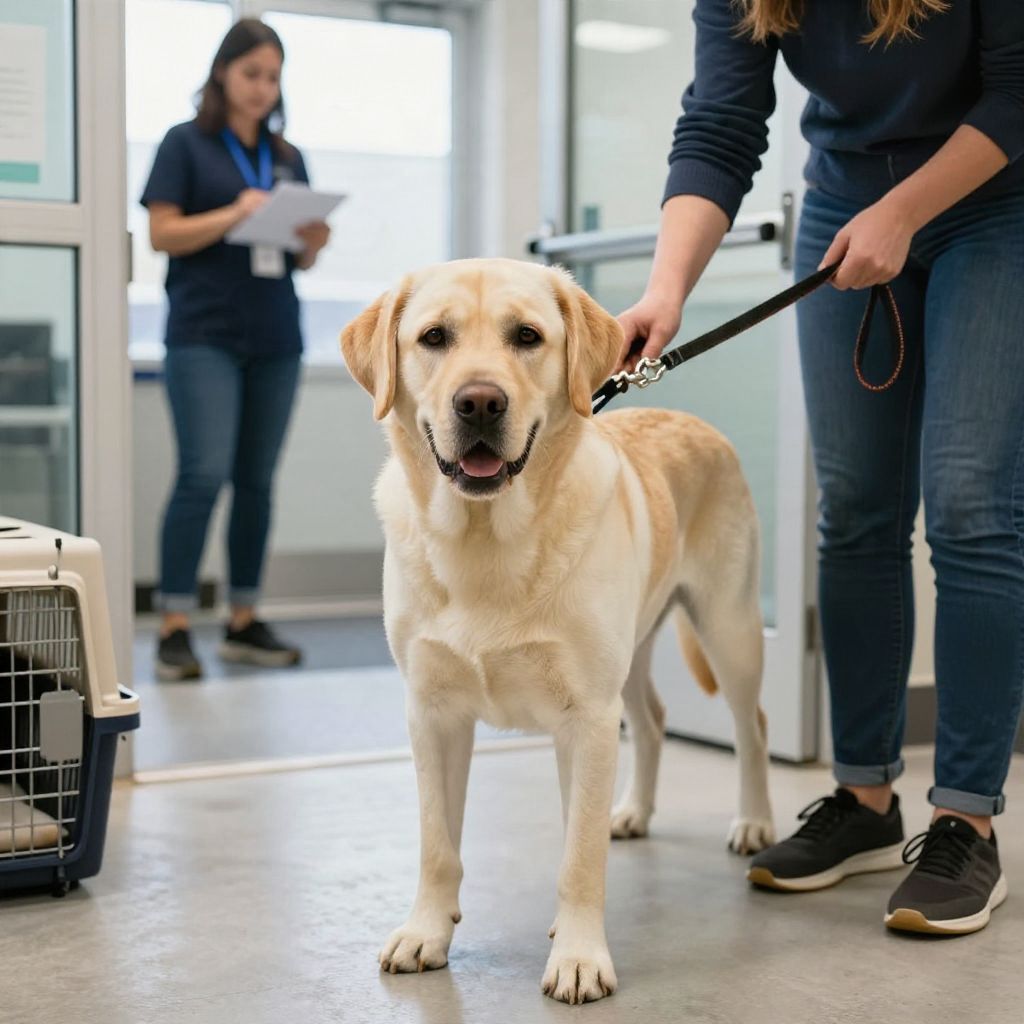
If you’re asking how to get rid of a dog, the safest answer depends on why you need to rehome, surrender, or remove the dog from your care. In many cases, the best next step is to find a responsible new home, contact a rescue, or use a shelter surrender process rather than leaving the dog without a plan.
If the dog is aggressive, sick, injured, or unsafe around children or other animals, act quickly and get professional help. Your goal should be a humane, legal, and safe transition for the dog and everyone involved.
How To Get Rid Of A Dog?
The safest way to get rid of a dog is to rehome or surrender it responsibly through a trusted person, rescue, or shelter. First, make sure the dog is safe, then gather medical and behavior information, and contact local rescues or shelters for surrender instructions. Never abandon a dog or hand it to someone unverified.
Step-by-Step: What To Do Next
- Pause and assess the reason. Are you dealing with behavior, housing issues, finances, allergies, time limits, or safety concerns?
- Check for urgent risks. If the dog is biting, severely ill, or poses an immediate danger, separate the dog from people and pets and contact a veterinarian, trainer, or local animal control/shelter for guidance.
- Collect the dog’s records. Include vaccination history, microchip details, spay/neuter status, medications, diet, and any behavior notes.
- Choose the safest rehoming path. A rescue, shelter, or carefully screened adopter is usually safer than an informal handoff.
- Be honest about the dog. Share age, size, energy level, house-training status, health issues, and behavior around people, dogs, cats, and children.
- Use a written transfer agreement. This helps clarify who is responsible for the dog and when the transfer is complete.
When Rehoming May Be Better Than Surrendering
Some dogs do well in a new home if the problem is a mismatch rather than a serious safety issue. This can be true for dogs with too much energy for your lifestyle, apartment restrictions, or a family schedule that no longer fits their needs.
Good candidates for private rehoming
- Friendly dogs with no bite history
- Dogs that are healthy enough to transition safely
- Dogs whose needs can be clearly described to a new owner
- Dogs that can be screened carefully and placed with a suitable home
When a shelter or rescue is the safer choice
- The dog has bitten, lunged, or shown unpredictable aggression
- You cannot safely manage the dog in your home
- The dog has medical needs you cannot meet
- You need immediate help and cannot screen adopters yourself
How To Rehome A Dog Responsibly
If you choose to rehome the dog yourself, screen carefully. A rushed placement can put the dog at risk of neglect, abandonment, or another surrender later.
- Write an accurate profile. Include the dog’s age, breed mix if known, size, temperament, routine, and any training needs.
- Ask screening questions. Ask about fencing, work schedule, other pets, children, experience with dogs, and why they want the dog.
- Require a meet-and-greet. Introduce the dog in a neutral, controlled setting when possible.
- Check references if needed. A veterinarian reference can help, especially for a dog with special needs.
- Use a written agreement. Include transfer date, veterinary records, microchip information, and any return conditions you want to set.
How To Surrender A Dog To A Shelter Or Rescue
Surrender policies vary by location, capacity, and the dog’s behavior or medical status. Some shelters require appointments, waitlists, or owner questionnaires, so call ahead before arriving with the dog.
- Ask whether the shelter accepts owner surrenders
- Find out if there is a fee or intake form
- Bring medical records, microchip details, and behavior notes
- Tell them about bite history, anxiety, resource guarding, or escape attempts
- Ask what happens next and whether you can receive updates
For a more detailed overview of that process, you may also want to read how to surrender a dog.
What Not To Do
Some choices can put the dog and other people at serious risk. Avoid shortcuts that seem easier in the moment but create bigger problems later.
- Do not abandon the dog. Leaving a dog somewhere unsafe is dangerous and often illegal.
- Do not give the dog away without screening. Unverified homes may not be prepared for the dog’s needs.
- Do not hide behavior problems. Full disclosure protects the dog and the new owner.
- Do not use punishment-based “fixes.” Fear and pain can worsen aggression and anxiety.
- Do not delay urgent care. If the dog is injured or severely ill, get veterinary help first.
If The Dog Is Aggressive Or Unsafe
When the main reason you want to get rid of a dog is aggression, safety comes first. Aggression can stem from fear, pain, guarding behavior, poor socialization, past trauma, or medical problems, and it should not be assumed to be “bad behavior.”
Urgent warning signs
- Repeated biting or attempts to bite
- Growling, snapping, or stiff body language around people or pets
- Sudden behavior changes, especially in an older dog
- Guarding food, toys, beds, or doorway access
- Fearful reactions that escalate quickly
If there is an immediate risk of injury, separate the dog, avoid direct confrontation, and contact a veterinarian or qualified behavior professional as soon as possible. A veterinary exam is important because pain or illness can contribute to behavior changes.
If The Dog Has Medical Or Age-Related Needs
Some owners decide to rehome because a dog’s care needs have become too demanding. This is common with puppies, senior dogs, and dogs with chronic illness, but the right plan depends on the dog’s condition and your ability to manage it.
Puppies
Puppies need frequent supervision, house-training, socialization, and consistent routines. If you cannot meet those needs, a rescue or adopter with puppy experience may be a better fit than an unprepared home.
Senior dogs
Older dogs may need medication, mobility support, softer bedding, or more frequent veterinary care. If you are rehoming a senior dog, be upfront about appetite changes, incontinence, stiffness, or confusion.
Dogs with medical issues
Share any diagnosis, medication schedule, dietary restrictions, and follow-up appointments. A dog with ongoing health needs should only be placed with someone who can realistically continue that care.
Common Mistakes To Avoid During Rehoming
- Rushing to the first person who says yes
- Assuming a “good with dogs” label means the dog will fit any home
- Ignoring the dog’s history of fear, separation distress, or guarding
- Failing to update the microchip registration
- Skipping a transition plan for food, routine, and medications
How To Help The Dog Adjust During Transition
Even when a new home is the right choice, transitions are stressful. A calm handoff can reduce fear and make the dog easier to settle.
- Send familiar food if possible
- Share the dog’s normal feeding, walking, and sleeping schedule
- Provide favorite toys or bedding with familiar scents
- Keep introductions to other pets slow and supervised
- Give the new caregiver written notes about commands, triggers, and routines
When You Should Get Professional Help First
Before deciding to get rid of a dog, it can help to rule out fixable problems. A veterinarian can check for pain, illness, or medication side effects, while a certified trainer or veterinary behaviorist can help with anxiety, reactivity, or house-training issues.
Professional help is especially useful if the dog’s behavior changed suddenly, the dog is young and undertrained, or the problem might be improved with management and humane training rather than rehoming.
Practical Final Advice
If you need to get rid of a dog, choose the most humane and responsible path available: rehome carefully, surrender through a shelter or rescue, and be honest about the dog’s needs. Prioritize safety, records, and clear communication so the dog has the best chance at a stable next home.
If you’re still deciding between rehoming and surrendering, reading about how to surrender a dog can help you understand the process and prepare the right information before you make the call.