
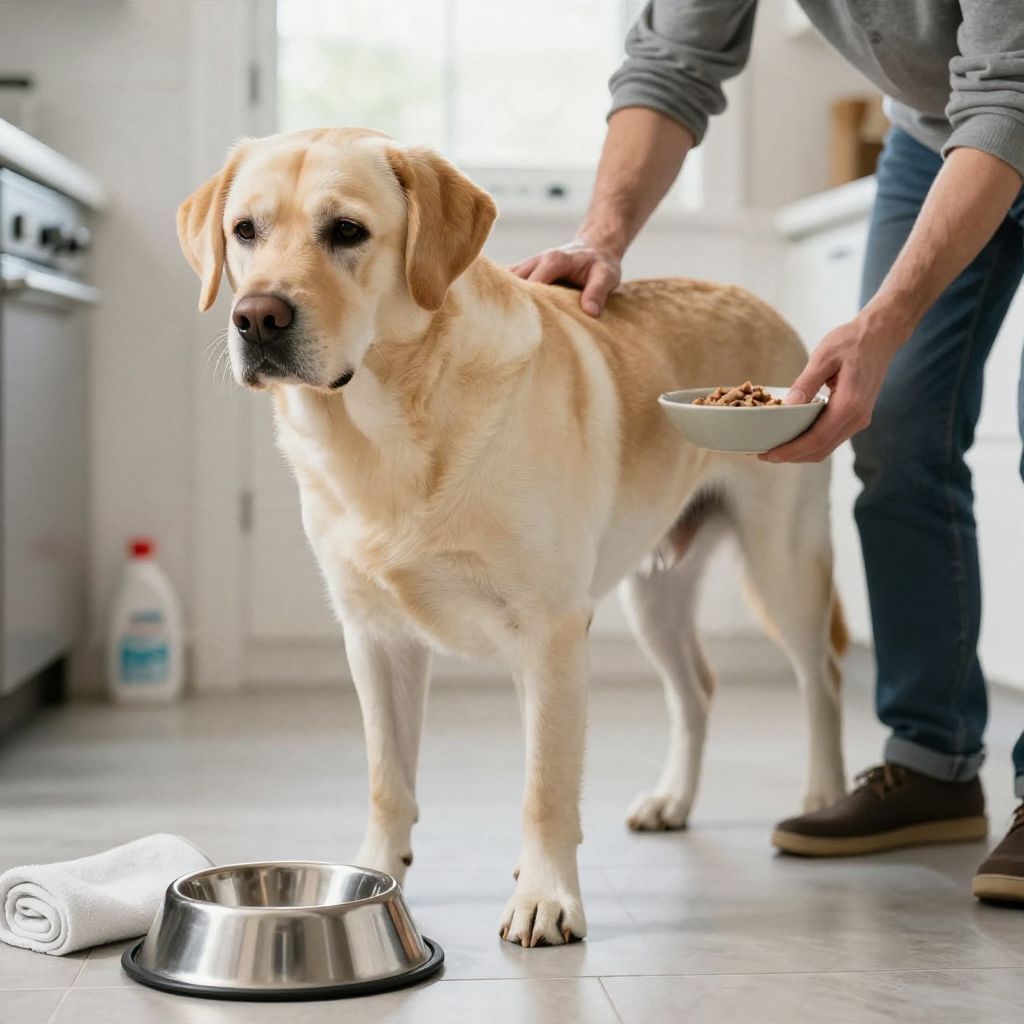
Dog diarrhea is common, but it can range from a mild stomach upset to a sign of something more serious. The safest approach is to watch your dog closely, support hydration, and know when home care is not enough.
If your dog has diarrhea, start by checking for red flags, then offer a short period of digestive rest and bland, vet-approved food if your veterinarian has previously said this is appropriate. Seek veterinary help right away if your dog seems weak, has blood in the stool, vomits repeatedly, or is a puppy, senior, or medically fragile.
How To Help Dog With Diarrhea?
To help a dog with diarrhea, first assess how severe it is, keep fresh water available, and monitor for vomiting, lethargy, blood, pain, or dehydration. If your dog is otherwise bright and the diarrhea is mild, your vet may recommend a temporary bland diet and close observation. Call a veterinarian promptly if symptoms are severe or persistent.
Step-by-step: what to do right away
- Check your dog’s overall condition. Is your dog alert, drinking, and acting mostly normal, or do they seem weak, painful, or “not themselves”?
- Look at the stool. Note whether it is watery, soft, mucus-filled, or contains blood. This helps your veterinarian assess urgency.
- Remove access to questionable items. Prevent scavenging, trash eating, table scraps, toys that may be chewed up, and any known toxins.
- Offer water frequently. Small, regular drinks are better than forcing large amounts at once.
- Contact your veterinarian if you are unsure. A quick call can help you decide whether home monitoring is reasonable or whether your dog needs an exam.
When dog diarrhea is an emergency
Some cases need urgent veterinary care, not watchful waiting. Go to a veterinarian or emergency clinic right away if your dog has any of these signs:
- Repeated vomiting or inability to keep water down
- Blood in the stool or black, tarry stool
- Marked lethargy, collapse, weakness, or severe pain
- A swollen or distended abdomen
- Signs of dehydration, such as dry gums, sunken eyes, or extreme thirst followed by refusal to drink
- Diarrhea after eating a known toxin, medication, foreign object, or garbage
- Diarrhea in a puppy, older dog, or dog with diabetes, kidney disease, Addison’s disease, cancer, or another chronic condition
If your dog is very young, very old, or medically fragile, diarrhea can become serious faster than it does in a healthy adult dog.
Hydration matters most
Diarrhea can dehydrate dogs quickly, especially if they are also vomiting or refusing food. Keep clean water available at all times and watch whether your dog is drinking normally.
What to watch for
- Drinking less than usual
- Dry or tacky gums
- Sunken eyes
- Weakness or unusual tiredness
- Very dark urine or not urinating normally
If your dog is not drinking, is vomiting, or seems dehydrated, contact a veterinarian promptly. Dogs with ongoing fluid loss may need professional treatment.
Food changes that may help, and what not to do
For many mild digestive upsets, veterinarians often recommend a temporary, easily digestible diet. The exact plan can vary based on your dog’s age, health, size, and history of stomach problems, so it is best to ask your vet before changing food if you are unsure.
Common practical feeding tips
- Keep meals small and simple.
- Avoid rich treats, fatty foods, and table scraps.
- Do not suddenly switch to a new diet unless your veterinarian advises it.
- Return to the regular diet gradually once stools improve, if your vet says that is appropriate.
Avoid these common mistakes
- Giving human medications without veterinary guidance
- Using “home remedies” that may be unsafe or delay care
- Fasting a puppy or a dog with a medical condition without veterinary advice
- Assuming diarrhea is “just stress” when there may be infection, parasites, or poisoning
Possible causes of diarrhea in dogs
Diarrhea is a symptom, not a diagnosis. It can happen for many reasons, and some are minor while others need treatment.
- Sudden diet changes
- Eating spoiled food, trash, or unfamiliar items
- Stress or excitement
- Parasites such as worms or giardia
- Food intolerance or sensitivity
- Infections
- Inflammatory or chronic digestive disease
- Medication side effects
- Foreign body ingestion
- Toxin exposure
Because the causes vary so much, persistent or recurring diarrhea should be checked by a veterinarian rather than managed with guesswork.
How age and health change what you should do
Not every dog should be handled the same way. Age, body size, and underlying health problems can change how risky diarrhea is and how quickly you should act.
Puppies
Puppies can dehydrate quickly and may have parasites or infections. Even mild diarrhea in a puppy deserves closer attention, especially if there is vomiting, poor appetite, or low energy.
Adult dogs
A healthy adult dog with a single mild episode may be monitored briefly if they otherwise seem well. If diarrhea continues, worsens, or keeps returning, schedule a veterinary visit.
Senior dogs
Older dogs may have less reserve and more underlying illness. Do not assume diarrhea is harmless just because your senior dog still wants to eat.
Dogs with chronic disease
Dogs with diabetes, kidney disease, liver disease, immune problems, or a history of pancreatitis should be evaluated sooner. Their treatment plan may need to be tailored to their condition.
What your veterinarian may ask about
When you call or visit the clinic, useful details can speed up care. Try to note:
- How long the diarrhea has been happening
- How often your dog is passing stool
- Whether there is blood, mucus, or vomiting
- Any recent diet changes or treats
- Possible trash, toxin, or foreign object exposure
- Travel, boarding, dog park visits, or contact with other dogs
- Any medications or supplements your dog takes
If you can safely do so, bringing a fresh stool sample may help your veterinarian test for parasites or infection.
Monitoring at home if your vet says it is reasonable
If your veterinarian has advised home monitoring, focus on trends rather than one stool. Many mild cases improve within a short time, but worsening signs mean you should recheck promptly.
Keep an eye on these changes
- Stool becomes more formed or stays watery
- Your dog’s appetite returns or fades
- Energy level improves or drops
- Vomiting starts or stops
- Water intake stays normal or declines
Write down what you observe. A simple log can help your veterinarian decide whether your dog is improving or needs diagnostics.
When diarrhea keeps coming back
Recurring diarrhea is not something to ignore. Repeated episodes may point to parasites, food intolerance, inflammatory bowel disease, stress-related gut upset, or another ongoing problem.
If your dog has frequent digestive upset, your veterinarian may recommend stool testing, diet trials, or other diagnostics. Do not keep cycling through random foods and supplements without a plan.
How to prevent future episodes
You cannot prevent every case of diarrhea, but you can reduce the risk by being consistent and cautious.
- Change foods gradually over several days unless your veterinarian says otherwise
- Keep trash, compost, and spoiled food out of reach
- Use parasite prevention as recommended by your veterinarian
- Avoid giving rich table scraps and greasy leftovers
- Supervise dogs that chew on toys or household items
- Keep routine vet visits up to date
Bottom line
To help a dog with diarrhea, start by judging severity, protect hydration, and watch closely for red flags. Mild cases may improve with simple supportive care, but vomiting, blood, weakness, dehydration, or diarrhea in a puppy or senior dog needs prompt veterinary attention. When in doubt, call your vet sooner rather than later.
If you want more practical dog-care guidance, you may also find this helpful: how to stop dog diarrhea.