
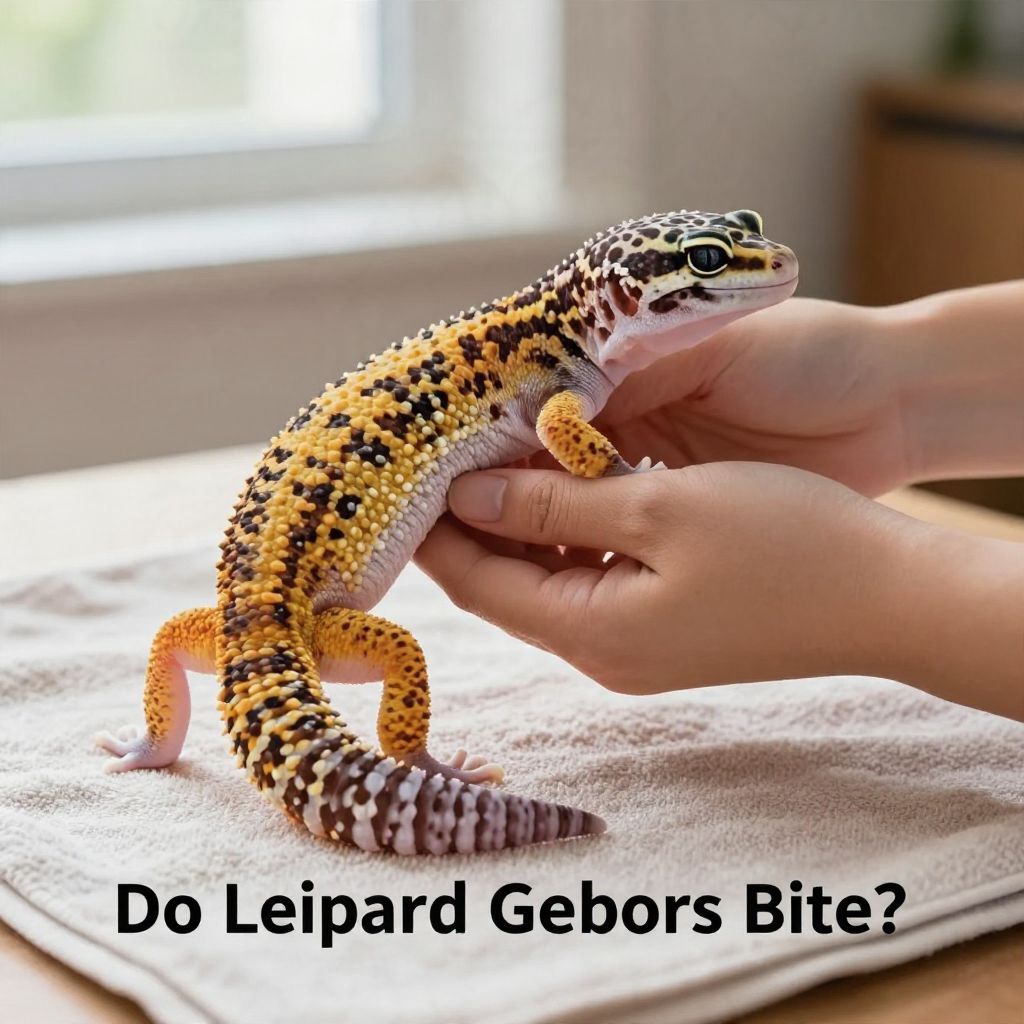
If you’re asking whether leopard geckos bite, the short answer is yes, they can. Most are not aggressive, but they may nip if they feel scared, are handled roughly, or mistake fingers for food.
For dog owners, the main concern is usually curiosity, pestering, or a dog trying to mouth a small reptile. Safe handling, close supervision, and quick separation matter because even a small bite can injure either animal.
Do Leopard Geckos Bite?
Yes. Leopard geckos can bite, but bites are usually defensive or accidental rather than a sign of “bad” behavior. A gecko may nip if it feels threatened, is startled, or mistakes a moving hand for prey. The risk is higher with rough handling, poor acclimation, or a stressed animal.
Why a Leopard Gecko Might Bite
Understanding the trigger helps you prevent repeats. Most bites happen because the gecko feels unsafe, not because it is trying to attack.
Common reasons for biting
- Fear or stress: Sudden movement, loud noise, or being grabbed can trigger a defensive nip.
- Feeding response: Fingers that smell like insects or move quickly near the face may be mistaken for food.
- Handling too soon: A new gecko may need time to settle before regular handling.
- Pain or illness: An unwell reptile may react more sharply to touch.
- Territorial behavior: Some geckos are more defensive around their enclosure.
What a bite usually feels like
Leopard gecko bites are typically small and may feel like a pinch. They are not usually serious for humans, but they can still be startling. If a dog is involved, even a minor bite can lead to a bigger problem because dogs may react by snapping, pawing, or chasing.
What Dog Owners Should Know About Gecko Bites
If you keep both dogs and a leopard gecko, the biggest issue is preventing contact. Dogs are often curious, and a quick paw swipe or nose poke can injure the gecko, while the dog could be nipped on the face or mouth.
Why supervision matters
- Dogs may see a gecko as a toy or moving prey.
- A stressed gecko may bite if cornered.
- Even a calm dog can accidentally knock over an enclosure or container.
- Small reptiles are vulnerable to crushing injuries, not just bites.
Best safety practices
- Keep the gecko in a secure enclosure with a tight-fitting lid or door.
- Place the enclosure where your dog cannot reach, jump on, or tip it.
- Never allow unsupervised dog-and-gecko interaction.
- Wash your hands before handling the gecko if you have been feeding the dog or handling treats.
- Use calm, slow movements when opening the enclosure.
How to Handle a Leopard Gecko More Safely
Gentle, predictable handling lowers the chance of biting. The goal is to help the gecko feel secure, not to force it to tolerate contact.
Helpful handling habits
- Approach from the side rather than from above when possible.
- Support the body fully with both hands.
- Keep sessions short at first.
- Let the gecko step onto your hand instead of grabbing it.
- Avoid handling right after feeding or when the animal is shedding if it seems irritable.
Signs the gecko is stressed
- Tail twitching or rapid tail movement
- Trying to flee or hide
- Open-mouth warning posture
- Hissing or sudden stiffening
- Repeated lunging toward a hand
If you notice these signs, stop handling and give the animal space. Repeated stress can make biting more likely over time.
What to Do If a Leopard Gecko Bites
Stay calm. Most bites are brief, and panicking can make the situation worse for both you and the animal.
- Do not yank the gecko away forcefully.
- Gently place the gecko back in a safe enclosure if possible.
- Wash the bite area with soap and water.
- Watch for swelling, redness, increasing pain, or signs of infection.
- If the bite is deep, bleeding heavily, or involves the face or eyes, seek medical care.
For a dog that has been bitten or nipped, contact your veterinarian if there is bleeding, swelling, limping, facial pain, or any sign the dog may have swallowed part of the gecko or enclosure material.
When a Bite Means Something Else Is Wrong
A sudden change in behavior can sometimes point to a health problem. A gecko that becomes unusually defensive, stops eating, or seems weak may need a reptile-experienced veterinarian.
Watch for these warning signs
- Refusing food for more than a short period, depending on age and condition
- Weight loss or a visibly thin tail
- Difficulty moving or climbing
- Abnormal stool or signs of dehydration
- Swelling, wounds, or trouble shedding
- Repeated open-mouth breathing or lethargy
These signs do not prove a specific illness, but they do mean the animal should be assessed by a qualified veterinarian. Do not rely on home treatment if the gecko seems weak, injured, or unable to eat.
How to Prevent Biting in the Future
Prevention is mostly about reducing stress and making interactions predictable. Some geckos are naturally bolder, while others remain cautious even with good care.
Practical prevention tips
- Keep a regular routine for feeding and handling.
- Use consistent, gentle movements.
- Offer hiding places so the gecko feels secure.
- Do not handle a gecko that is clearly frightened or freshly introduced to a new home.
- Keep dogs away from the enclosure to reduce stress.
Common mistakes to avoid
- Chasing the gecko around the enclosure
- Picking it up too quickly
- Handling it over a hard surface without support
- Letting children or dogs interact without close adult supervision
- Assuming every bite means the animal is “mean”
Do Leopard Geckos Bite Dogs?
They can, especially if a dog gets too close to the enclosure or tries to sniff, lick, or paw at the gecko. A bite to a dog’s nose, lips, or eyes can be painful and may lead to infection or a defensive reaction from the dog.
Even if the gecko is small, never assume the interaction is harmless. The bigger danger is often the dog injuring the gecko, but the dog can also be hurt if it bites back, falls, or gets scratched against enclosure hardware.
If your dog was bitten
- Separate the animals immediately.
- Check for bleeding, swelling, or eye injury.
- Keep your dog calm and prevent rubbing the area.
- Call your veterinarian if the bite is near the eyes, mouth, or nose, or if swelling develops.
When to Get Professional Help
Contact a veterinarian if the gecko seems ill, injured, or suddenly more aggressive than usual. If your dog was bitten and the wound is more than superficial, or if your dog seems painful, lethargic, or off balance, veterinary care is also appropriate.
If handling problems continue, a reptile-savvy veterinarian or experienced exotic-animal professional can help you review husbandry, stressors, and handling technique. For dog-related behavior around the enclosure, a qualified reward-based trainer can help you build safer boundaries without punishment.
Bottom Line
Leopard geckos can bite, but most bites are defensive, brief, and preventable with calm handling and good enclosure safety. If you have a dog, keep the animals separated, supervise all interactions, and treat any bite or injury seriously if it affects the eyes, mouth, or causes swelling.
If you want more practical pet-care reading, you may also find why dogs lick their paws useful for spotting stress, irritation, or allergy-related behavior.