
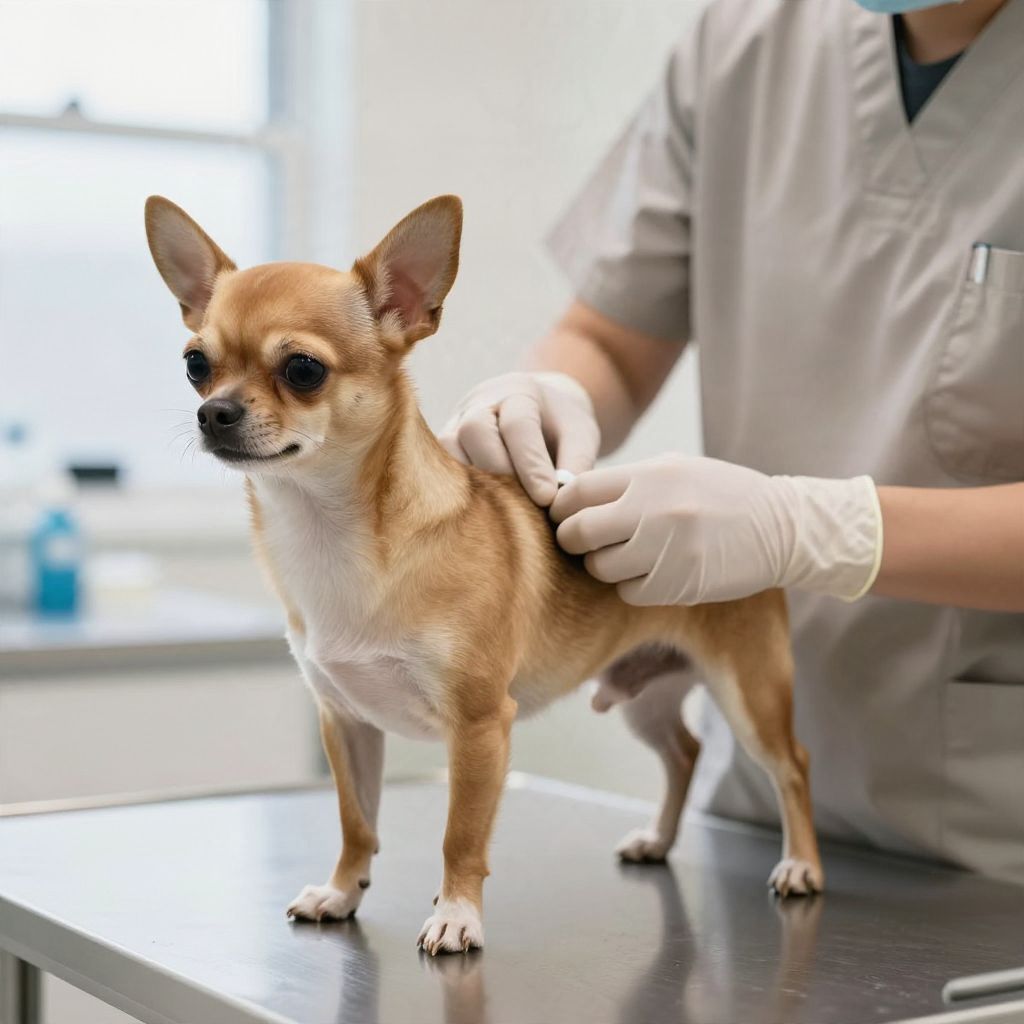
If you’re wondering how often to express dog glands, the safest answer is: only when your dog actually needs it. Many dogs never need manual expression at all, while others may need help occasionally because of recurring anal gland problems. The right timing depends on your dog’s symptoms, health history, and your veterinarian’s guidance.
Routine, unnecessary expression can irritate the glands, so it’s better to watch for signs such as scooting, licking, or a foul smell and then address the cause with your vet. In some cases, diet, stool quality, weight, or an underlying medical issue matters more than the expression schedule itself.
How often to express dog glands?
Most dogs do not need their anal glands expressed on a fixed schedule. If a dog has repeated impaction or discomfort, a veterinarian may recommend expression only when symptoms appear or as part of a treatment plan. The best frequency varies by dog, not by a universal calendar.
What anal glands do and why they can cause problems
Dog anal glands, also called anal sacs, are small scent glands near the anus. They normally empty a little during bowel movements, but some dogs don’t empty them well enough, which can lead to discomfort, swelling, or infection.
Common reasons a dog may have trouble include:
- Soft stool or chronic diarrhea
- Small body size or anatomy that makes natural emptying less effective
- Allergies or skin inflammation
- Obesity or reduced muscle tone
- Previous gland impaction, infection, or abscess
Not every itchy or scooting dog has a gland problem, so it’s important not to assume the cause without an exam.
Signs your dog may need anal gland care
Watch for patterns rather than one-off behavior. A single scoot may be nothing, but repeated signs often mean your dog needs a veterinary check.
- Scooting the rear on the floor
- Excessive licking or biting under the tail
- Straining to poop or seeming uncomfortable during bowel movements
- A strong, fishy odor
- Swelling, redness, or pain near the anus
- Sudden irritability when sitting or being touched near the tail
Seek prompt veterinary care if you see blood, pus, a lump, open skin, fever, marked pain, or your dog seems unable to pass stool. Those signs can indicate infection or an abscess and should not be handled by waiting it out.
How often is too often?
If your dog needs expression every few weeks or after nearly every bowel movement, that is a clue that something deeper may be going on. Frequent expression can sometimes make irritation worse if the glands are being handled when they are not truly full.
Repeated problems deserve a veterinary workup, which may include checking stool quality, anal gland health, skin allergies, weight, and overall digestive health. In some dogs, the goal is not frequent expression but preventing the underlying issue that keeps causing buildup.
When a vet may recommend a schedule
Some dogs do benefit from occasional planned expression, but the schedule should be individualized. Your veterinarian may suggest it for dogs with a history of recurring impaction, chronic discomfort, or previous infections.
Factors that can change the timing
- Age: Puppies and younger dogs may have different stool patterns than seniors.
- Body size and anatomy: Some dogs are more prone to gland issues than others.
- Diet: Stool consistency affects natural emptying.
- Health history: Allergies, diarrhea, or prior infections matter.
- Temperament and handling tolerance: A stressed dog may need a clinic visit rather than home handling.
Because these factors vary so much, two dogs in the same household may need completely different care.
Should you express dog glands at home?
Home expression is not ideal for every dog. It can be messy, uncomfortable, and risky if the glands are infected, very full, or hard to locate. If you are not trained and confident, a veterinarian or qualified groomer is usually the safer choice.
Never try to express glands if your dog has severe pain, swelling, bleeding, or a suspected abscess. In those cases, manual pressure can worsen the problem.
If your vet says home care is appropriate
- Ask for a demonstration first.
- Use calm, gentle handling and stop if your dog becomes distressed.
- Keep the area clean afterward.
- Contact your vet if the fluid is thick, bloody, or foul beyond the usual odor.
If you want a step-by-step overview of the process, you can review how to express anal glands and compare it with your veterinarian’s instructions.
What to do instead of relying on frequent expression
For many dogs, the better long-term fix is improving the factors that affect gland emptying. That may reduce how often expression is needed or eliminate the problem altogether.
Helpful care steps
- Improve stool quality with a vet-approved diet plan if your dog has chronic soft stool.
- Maintain a healthy weight so the area around the anus is not under extra strain.
- Address allergies if itching, paw licking, or skin inflammation is part of the picture.
- Keep up regular exercise to support normal bowel function.
- Monitor bowel movements so you can notice changes early.
Do not add supplements or high-fiber foods on your own as a cure-all. Some dogs improve, but others may worsen if the change is not appropriate for their digestive system.
When anal gland problems need veterinary treatment
Veterinary treatment may be needed if the glands are impacted, infected, abscessed, or repeatedly filling. A vet can examine the area and determine whether your dog needs expression, medication, or a broader treatment plan.
Call your vet soon if your dog has recurring scooting, a persistent smell, or discomfort that keeps coming back. These are signs that the problem is not just a one-time issue.
Go urgently if your dog has a swollen, painful lump near the anus, is crying when defecating, has obvious discharge, or seems unwell overall. Those signs can point to a serious infection that should be treated promptly.
Common mistakes to avoid
When people ask how often to express dog glands, the biggest mistake is assuming “more often” is better. Frequent unnecessary expression can irritate the tissue and distract from the real cause.
- Do not express glands just because a dog is a certain breed or size.
- Do not ignore repeated scooting or licking.
- Do not squeeze hard if the dog is painful.
- Do not use home remedies for a suspected infection or abscess.
- Do not treat gland care as a substitute for veterinary diagnosis.
Bottom line
How often to express dog glands depends on your dog’s symptoms and underlying health, not a universal schedule. Many dogs never need it, while others need occasional veterinary help. If your dog has repeated signs, pain, swelling, or discharge, get a vet exam instead of trying to manage it on a routine alone.
If you want to learn more about safe anal gland care, you may also find how to express dogs glands externally helpful alongside veterinary guidance.