
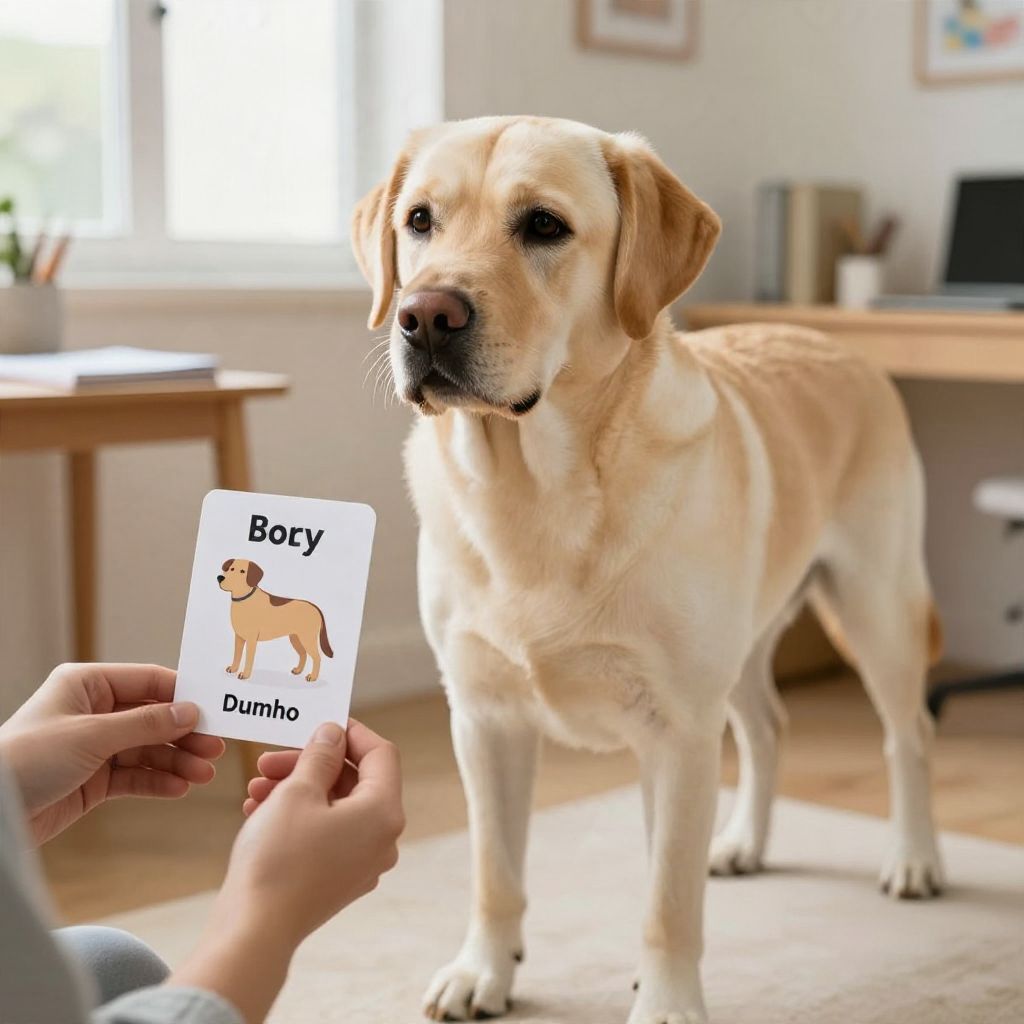
If you’re asking “what is dog in Spanish,” the most common translation is perro. It’s the standard word for a dog in general conversation, while related words can change depending on gender, context, or region.
Knowing the right Spanish word can help with travel, training classes, pet care conversations, and understanding labels or veterinary instructions. Below, you’ll find the meaning, pronunciation, related terms, and a few important language facts that matter to dog owners.
What is dog in Spanish?
“Dog” in Spanish is usually perro. For a female dog, Spanish often uses perra. Both words are common, but the best choice depends on whether you mean dogs in general, one male dog, or one female dog.
What does “perro” mean?
Perro is the everyday Spanish word for a dog. You’ll see it in casual speech, pet care information, signs, and product labels. If you are referring to dogs as a general category, perro is the word most people will understand first.
Singular and plural forms
- Perro = one dog, typically male or a dog when gender is not being emphasized
- Perros = dogs
- Perra = one female dog
- Perras = female dogs
Spanish nouns also have grammatical gender, so the article changes too: el perro for “the dog” and la perra for “the female dog.”
How do you pronounce “perro”?
Perro is commonly pronounced roughly like “PEH-rroh,” with a rolled or tapped r sound in many Spanish accents. If you’re learning the word for conversation, focus on saying the double r clearly, since that sound helps distinguish it from similar words.
When should you use “perro” or “perra”?
Use perro when you mean “dog” in general or when you are speaking about a male dog. Use perra when you specifically mean a female dog. In many everyday situations, native speakers understand the context, but using the correct gendered form is more precise.
Examples in simple Spanish
- Mi perro es amigable. = My dog is friendly.
- La perra está durmiendo. = The female dog is sleeping.
- Tenemos dos perros. = We have two dogs.
If you’re unsure which form to use, perro is usually the safest general choice for “dog.”
Are there other Spanish words related to dogs?
Yes. Spanish has several related words that may come up when you’re talking about dogs, puppies, or dog care. These can be useful if you’re reading a vet handout, shopping for supplies, or speaking with a trainer.
- Cachorro = puppy or young animal
- Can = canine; sometimes used more formally for dog
- Collar = collar
- Correa = leash
- Arnés = harness
- Comida para perros = dog food
These terms can vary slightly by country, but they are widely recognized in many Spanish-speaking places.
Important language facts dog owners should know
Spanish usage can vary by region, just like English does. A word that is common in one country may sound less natural in another, but perro is broadly understood across Spanish-speaking communities.
Context matters
Sometimes people use perro affectionately, neutrally, or in a strict biological sense. The tone depends on the sentence and setting, so pay attention to the surrounding words.
Gender does not always mean behavior
In Spanish, grammatical gender is a language rule, not a behavior label. A female dog is perra, but that does not mean she will behave in any particular way. Temperament, training, age, health, and individual personality matter much more than the word used for her.
How this helps in real dog-care situations
Knowing what “dog” is in Spanish can make everyday care easier. You may need it when reading vaccine reminders, asking for pet supplies, or understanding instructions in a bilingual clinic or boarding facility.
Useful situations
- Talking to a groomer or trainer who speaks Spanish
- Reading pet store labels
- Understanding shelter or rescue paperwork
- Traveling with your dog in a Spanish-speaking area
- Learning basic commands or care terms
If you are traveling with your dog, it’s helpful to learn a few more words beyond perro, especially for food, water, leash, and veterinary care.
Common mistakes when translating “dog” into Spanish
One common mistake is assuming there is only one word for dog. Another is using a literal translation without considering gender or context. A third is mixing up perro with other animal words that sound similar.
- Using the wrong gender when you specifically mean a female dog
- Assuming every country uses the same casual phrasing
- Forgetting plural forms when talking about more than one dog
- Confusing translation with pronunciation if you are speaking aloud
When in doubt, keep it simple: perro for dog, perra for female dog, and perros for dogs.
What if you’re learning Spanish for dog training or care?
If you are using Spanish words around your dog, consistency matters more than perfection. Dogs learn through patterns, tone, timing, and repetition, not through grammar. Choose one cue word and use it the same way each time.
Helpful training tips
- Pick one word for each cue and avoid switching between languages mid-cue.
- Use short, clear words that are easy to say consistently.
- Pair the word with a reward-based training method.
- Practice in low-distraction settings first.
- Keep sessions brief and positive.
For example, if you choose a Spanish cue for “sit,” use that same word every time and reward your dog when they respond. Consistency helps your dog understand what earns reinforcement.
When to ask a professional for help
If you are trying to communicate about your dog’s health, behavior, or safety in another language, a veterinarian, certified trainer, or bilingual clinic staff member can help clarify terms. This is especially important if you are discussing symptoms, medications, or urgent concerns.
Get urgent veterinary help if your dog has
- Difficulty breathing
- Collapse or extreme weakness
- Repeated vomiting or inability to keep water down
- Seizures
- Severe bleeding
- A swollen abdomen or signs of intense pain
- Possible poisoning or toxin exposure
Language should never delay care. If your dog may be in an emergency, seek veterinary help immediately and bring any packaging, labels, or written instructions you have.
Quick answer recap
The Spanish word for dog is perro. If you mean a female dog, use perra. Both are useful words to know, but the right choice depends on gender, number, and context.
If you want to keep learning, you may also find it helpful to read more about how to say dog in Spanish and what to call a female dog.