
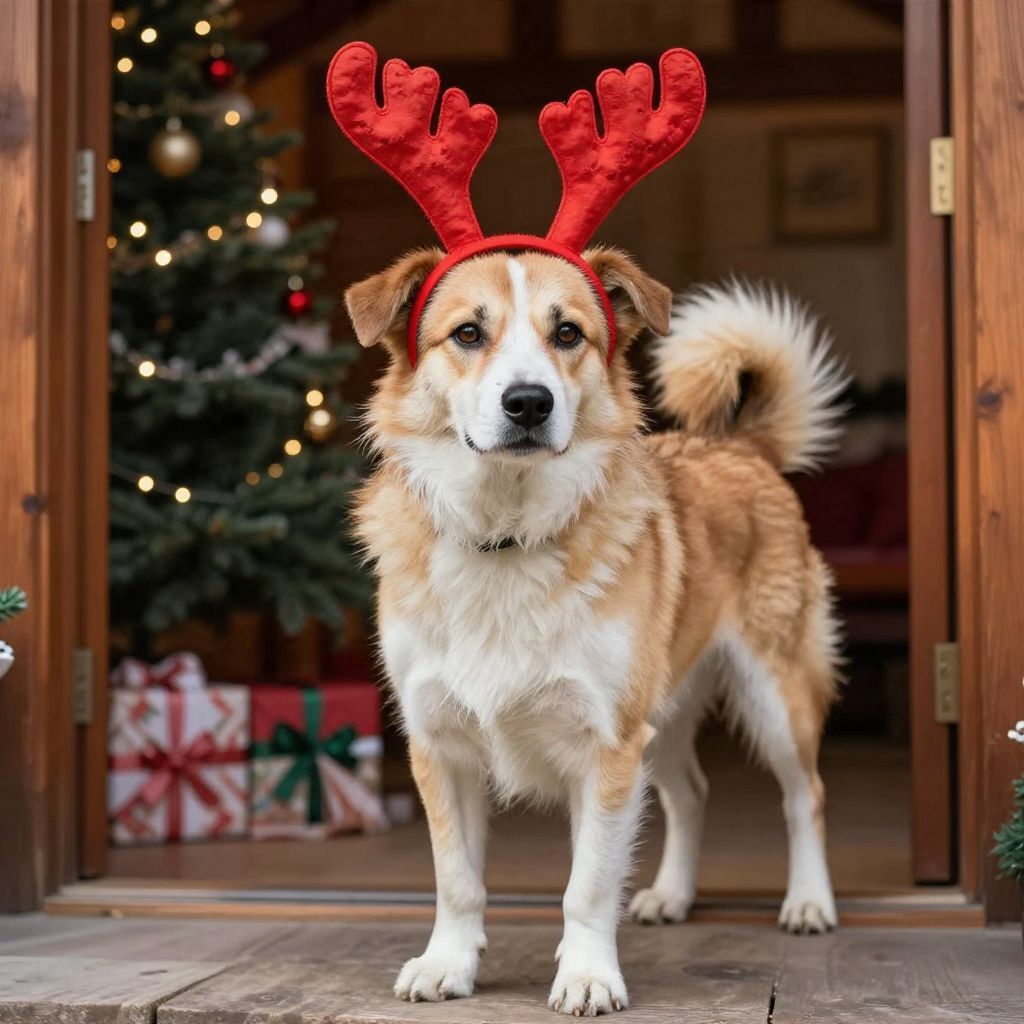
If you’re wondering, “What is the Grinch’s dog’s name?” the answer is Max. He is the Grinch’s loyal dog in Dr. Seuss’s classic story and its adaptations, and he’s one of the most recognizable fictional dogs in holiday pop culture.
Max is usually portrayed as a small, scruffy, devoted companion who stays close to the Grinch despite the Grinch’s grumpy behavior. His role is important because he adds humor, heart, and a reminder that dogs often remain loyal even when their people are difficult.
What is the Grinch’s dog’s name?
The Grinch’s dog’s name is Max. In the original story and many later versions, Max is the Grinch’s faithful dog, helping pull the sleigh and accompanying him through his holiday mischief. He is not just a side character; he helps show the Grinch’s softer side.
Who is Max in the Grinch story?
Max is the Grinch’s canine companion, and his personality is often shown as patient, eager to please, and affectionate. Different adaptations may change his appearance or how much he “speaks” through expression, but his core role stays the same: he is the Grinch’s loyal dog.
Why Max stands out
- He is one of the most memorable fictional dogs in children’s literature and film.
- He often provides comic relief through expressive reactions.
- He shows that dogs can be deeply bonded to people, even when the relationship is imperfect.
What kind of dog is Max supposed to be?
Max is a fictional dog, so there is no official real-world breed confirmed in the original story. In some adaptations, he looks like a mixed-breed small dog with a scruffy coat, but that appearance can vary widely. If you’re trying to identify a real dog by “Max-like” traits, breed guessing from appearance alone is unreliable.
Why breed guesses can be tricky
Many dogs share similar features, especially mixed-breed dogs. Coat length, ear shape, size, and face shape can suggest possibilities, but they do not prove a breed. A veterinarian or DNA test is more useful if you want a real dog’s background.
Why Max matters to dog lovers
Max is popular because he feels relatable. Many dog owners recognize the dynamic of a dog who stays close, wants to help, and seems to understand family moods. That said, real dogs are individuals, and loyalty, energy, and tolerance can vary based on temperament, training, age, and life experience.
What Max can teach you about real dogs
- Dogs thrive on routine and clear guidance.
- Gentle, reward-based training supports trust.
- Companionship and enrichment matter as much as physical care.
How to care for a dog with a “Max” personality
If your dog is affectionate, eager to follow you, and easily swept into your activities, focus on balance. Loyal dogs still need structure, rest, and positive training so they do not become anxious, overexcited, or under-stimulated.
Helpful daily care basics
- Give predictable routines. Regular feeding, walks, and rest help many dogs feel secure.
- Use positive reinforcement. Reward behaviors you want, such as coming when called or settling calmly.
- Provide mental enrichment. Puzzle toys, sniff walks, and training games can reduce boredom.
- Match exercise to the dog. Some dogs need more activity than others, depending on age and health.
- Watch for stress. Clinginess, pacing, barking, or destructive behavior may mean your dog needs more support or a vet check.
Common mistakes to avoid with a devoted dog
It can be tempting to assume a sweet, loyal dog will always “go along” with everything. In reality, even easygoing dogs can become stressed or overwhelmed if their needs are ignored.
- Don’t skip training. Friendly dogs still need manners and safety cues.
- Don’t rely on punishment. Harsh methods can damage trust and increase fear.
- Don’t overdo exercise. Too much activity can be hard on puppies, seniors, or dogs with joint problems.
- Don’t ignore health changes. Sudden behavior shifts can signal pain or illness.
When a dog’s behavior needs veterinary attention
If your real dog suddenly becomes withdrawn, unusually clingy, aggressive, restless, or less interested in food or play, a health problem could be involved. Dogs often show pain or illness through behavior changes before they clearly show physical symptoms.
Red flags that warrant prompt veterinary care
- Sudden collapse or weakness
- Difficulty breathing
- Repeated vomiting or diarrhea
- Swollen abdomen
- Signs of pain, such as limping, yelping, or reluctance to move
- Not eating or drinking for an unusual period
- Seizures or disorientation
If any of these signs are present, contact a veterinarian quickly. If breathing trouble, collapse, or seizures occur, seek emergency veterinary help right away.
How fictional dogs like Max help kids learn about real dogs
Characters like Max can be a good starting point for teaching children empathy and respectful dog handling. The key is to connect the story to real-life safety and care, not to assume every dog wants the same attention or treatment.
Simple lessons for children
- Approach dogs calmly and ask before petting.
- Let dogs rest when they move away.
- Never pull ears, tails, or fur.
- Use gentle voices and slow movements.
If you’re naming a dog Max
Many people choose “Max” because it feels friendly, classic, and easy to say. It is a popular dog name, so if you use it, your dog may share it with many others at the park or in training class. That is not a problem, but you may want a distinctive nickname for recall and everyday use.
Tips for choosing a practical dog name
- Pick a name with one or two syllables for easier training.
- Avoid names that sound like common cues, such as “Kit” or “Bo.”
- Say it out loud several times to see if it feels natural.
Final answer
The Grinch’s dog’s name is Max. He is a beloved fictional dog whose loyalty and personality make him memorable, but real dogs need individualized care, training, and health monitoring. If you have a dog with a Max-like personality, keep routines consistent, use kind training, and contact a veterinarian if behavior changes suddenly.
If you enjoy learning about famous fictional dogs, you may also like reading about what kind of dog Lady is or what kind of dog Bolt is.