
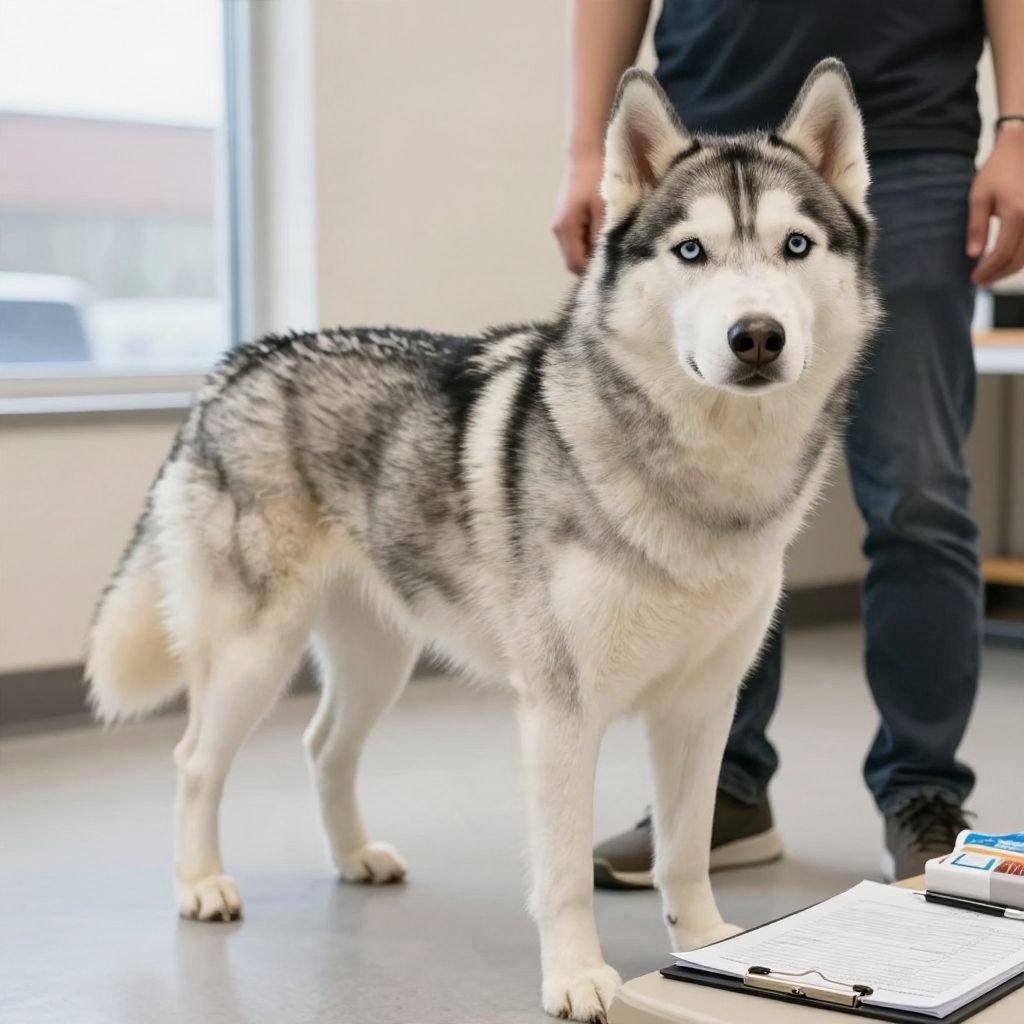
If you’re asking how much a Husky costs, the answer depends on where you buy, the dog’s age, pedigree, and health. The purchase price is only part of the budget, because Huskies can also need training, grooming, exercise, and routine veterinary care.
For most buyers, the real cost of a Husky includes both the upfront price and the ongoing monthly expenses. Planning for those costs helps you choose responsibly and gives the dog a better start in your home.
How much does a Husky cost?
A Husky commonly costs a few hundred to a few thousand dollars to acquire, depending on whether you adopt from a shelter, buy from a breeder, or need a dog with specific health or pedigree documentation. The total first-year cost is usually much higher because of vaccines, spay/neuter, supplies, food, and training.
What affects the price of a Husky?
Several factors can change the price significantly. A lower purchase price does not always mean a cheaper dog overall, especially if the dog needs extra medical care, behavior support, or training.
Source of the dog
- Shelter or rescue: Often the lowest upfront cost, with adoption fees that may include vaccines or sterilization.
- Breeder: Usually costs more, especially if the breeder provides health testing, early socialization, and documentation.
- Private sale: Prices vary widely, but this route can carry more risk if health history is unclear.
Age and background
- Puppies: Often cost more than adult dogs because of demand and early care.
- Adults: May be less expensive to acquire, especially through rescue.
- Trained dogs: A dog with basic obedience or specialized training may cost more upfront.
Health and documentation
- Veterinary records can raise the price, but they may save money later.
- Health screening for inherited issues may be reflected in breeder pricing.
- Dogs with unknown backgrounds may be cheaper initially but more expensive if medical problems appear.
Typical upfront costs to expect
When budgeting for a Husky, think beyond the adoption or purchase fee. You’ll likely need to pay for the essentials before your dog comes home and during the first few weeks.
- Adoption or purchase fee
- Initial veterinary exam
- Vaccinations and parasite prevention
- Spay or neuter surgery, if needed
- Food and water bowls
- Leash, collar, harness, and ID tag
- Crate or safe confinement area
- Bedding, toys, and grooming tools
- Training classes or private help, if needed
What does a Husky cost in the first year?
The first year is usually the most expensive because you’re covering both acquisition and setup costs. A Husky puppy may need repeated vet visits, parasite prevention, training, and replacement supplies as it grows.
First-year spending can vary a lot, but it is smart to expect a meaningful investment rather than just the purchase price. If you are not prepared for emergency care or unexpected illness, it may be better to wait until your budget is more stable.
Ongoing monthly costs of owning a Husky
Huskies are active dogs, so food, enrichment, and training support can be ongoing expenses. Costs vary with body size, age, activity level, and whether your dog has any chronic health needs.
Food
A Husky usually needs a balanced diet appropriate for its life stage. The exact cost depends on the food quality, portion size, and whether your dog has special dietary needs.
Veterinary care
Routine care may include annual exams, vaccines, parasite prevention, and dental care. Older dogs or dogs with medical issues may need more frequent visits and higher costs.
Grooming and coat care
Huskies have a thick double coat and shed heavily at certain times of year. Even if you groom at home, you may still need tools, vacuuming supplies, and occasional professional help.
Training and enrichment
Many Huskies benefit from structured training, puzzle toys, secure walking gear, and safe outlets for energy. These costs can be modest or substantial, depending on your dog’s needs and your experience.
Why Husky ownership can cost more than people expect
Huskies are often admired for their appearance, but their care needs can be more demanding than some new owners expect. That does not mean they are “hard” dogs by default, but they do tend to do best when their exercise, training, and safety needs are taken seriously.
- Exercise needs: Active dogs may need more time, planning, and gear.
- Escape prevention: Secure fencing, leashes, and harnesses can be important.
- Training: Consistent, reward-based training helps prevent problem behaviors.
- Shedding: Coat maintenance can add time and supply costs.
How to budget before you bring a Husky home
A simple budget helps you decide whether the dog is a good fit for your home and finances. Include both predictable costs and a cushion for surprises.
- Estimate the purchase or adoption fee.
- List all startup supplies you need before pickup day.
- Ask a veterinarian about the likely cost of the first exam and vaccines.
- Price monthly food, parasite prevention, and grooming supplies.
- Set aside an emergency fund for sudden illness or injury.
Don’t forget emergency costs
Unexpected veterinary care can be expensive. If your dog has vomiting, trouble breathing, collapse, severe pain, a swollen abdomen, uncontrolled bleeding, or possible toxin exposure, seek urgent veterinary care right away.
Adoption vs. breeder: which is more affordable?
Adoption is often cheaper upfront, and many rescue dogs already have some veterinary care completed. Buying from a breeder usually costs more initially, but a responsible breeder may provide health screening, early care, and more background information.
Neither option is automatically better for every person. The right choice depends on your budget, your experience, and the kind of support you want before and after bringing the dog home.
Common money-saving mistakes to avoid
Trying to save money in the wrong places can lead to bigger costs later. It is better to reduce avoidable expenses than to skip essential care.
- Choosing a dog only because the price is low
- Skipping the first veterinary visit
- Buying poor-quality or inappropriate food
- Delaying training until behavior problems grow
- Using unsafe gear that does not fit well
- Ignoring signs of illness because the dog “seems fine”
When a Husky may cost more over time
Some Huskies stay relatively healthy, while others need more support as they age. Costs may rise if your dog develops joint issues, skin problems, dental disease, or other chronic conditions.
Age, body condition, activity level, and genetics can all affect long-term expenses. A senior Husky may need more frequent veterinary checks, softer bedding, mobility support, or a diet adjusted for age-related needs.
Questions to ask before paying for a Husky
Whether you are adopting or buying, ask practical questions before you commit. Clear answers can help you avoid hidden costs and make a more informed decision.
- What veterinary care has already been provided?
- Are vaccines, microchipping, or sterilization included?
- What is known about the dog’s health history?
- Has the dog had any training or socialization?
- What supplies or follow-up care will I need right away?
Bottom line
How much a Husky costs depends on the dog’s source, age, health, and the care you provide after bringing them home. Plan for both the upfront price and the ongoing expenses so you can meet the dog’s needs comfortably and responsibly.
If you’re comparing breeds and budgets, it can also help to look at other ownership costs, such as how much a German Shepherd costs. If you’re still deciding between breeds, you may also find it useful to compare with how much Corgis cost.