
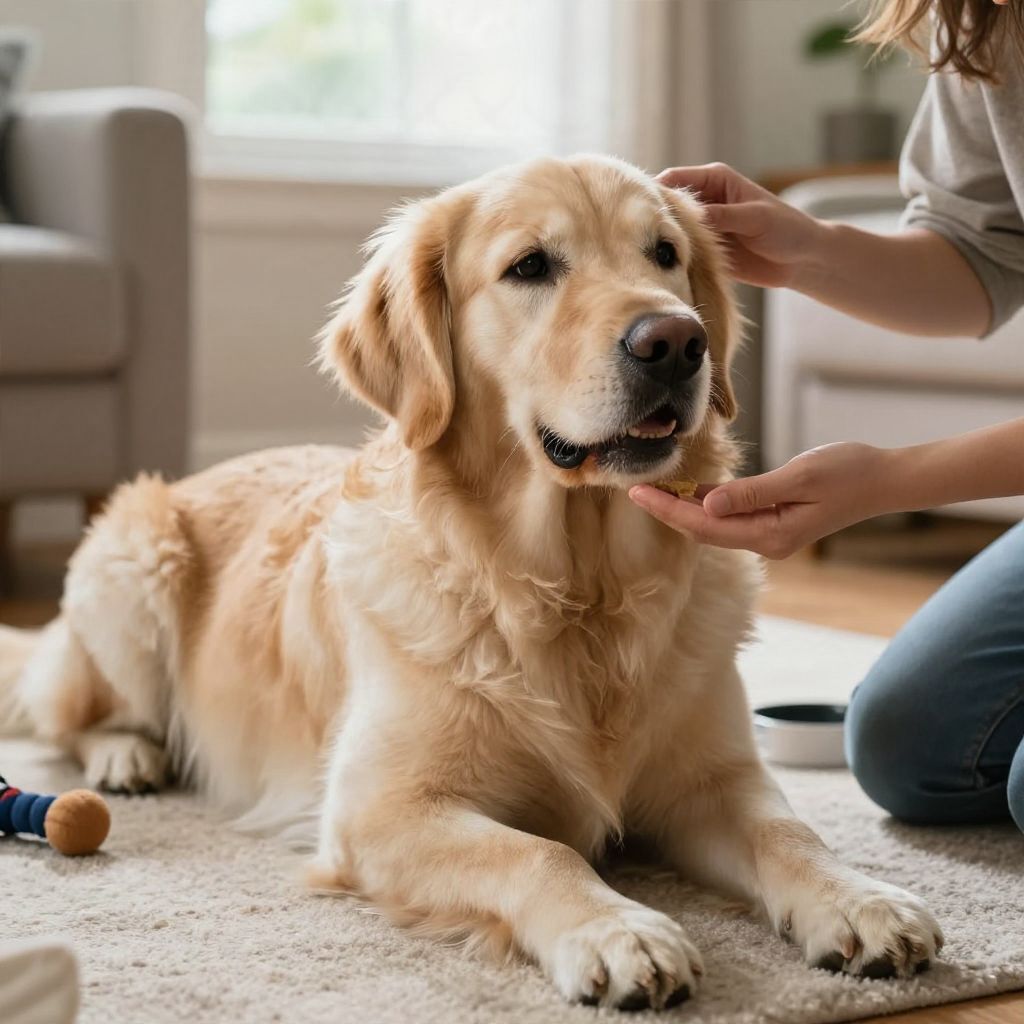
How do you show your dog you love them in ways they actually understand? The best answers are simple: meet their needs, communicate clearly, and make daily life feel safe, predictable, and rewarding.
Dogs usually feel love through consistent care, gentle interaction, training that builds trust, and time spent doing things they enjoy. What matters most depends on your dog’s age, health, temperament, and history, so the most loving approach is the one that fits your dog.
How To Show Your Dog You Love Them
Show your dog you love them by keeping them safe, healthy, and emotionally secure. Feed a complete diet, provide exercise and enrichment, use kind training, respect their body language, and spend regular one-on-one time doing activities they enjoy. Consistency, patience, and positive experiences matter more than big gestures.
Start with the basics your dog depends on
Love is not just affection; for dogs, it also means dependable care. When you consistently meet basic needs, you reduce stress and help your dog feel secure.
- Provide fresh water and a balanced, age-appropriate diet.
- Keep up with veterinary care such as wellness exams, vaccines, parasite prevention, and dental care.
- Offer regular exercise suited to your dog’s age, breed tendencies, and health.
- Maintain a predictable routine for meals, walks, rest, and play.
- Give a comfortable resting place where your dog can relax without being disturbed.
Puppies, seniors, and dogs with medical conditions may need more frequent potty breaks, shorter exercise sessions, or special diets. If you are unsure what is appropriate, ask your veterinarian.
Use positive interaction your dog can understand
Dogs do not need human-style affection all the time. They usually respond best to calm, clear, and rewarding interactions that match their comfort level.
Ways to communicate love clearly
- Speak in a calm, friendly voice.
- Use gentle petting in places your dog enjoys, such as the chest or shoulders.
- Let your dog approach you for attention instead of forcing contact.
- Reward relaxed behavior with praise, treats, or play.
- Learn your dog’s body language so you can stop when they seem uneasy.
Some dogs love close physical contact, while others prefer space. A dog that leans away, licks their lips, yawns, stiffens, or turns their head may be saying they need a break.
Respect your dog’s boundaries
One of the most loving things you can do is listen when your dog says “no.” Respect builds trust, and trust makes your relationship stronger over time.
- Do not hug, hold, or kiss a dog who seems uncomfortable.
- Do not wake a sleeping dog unless necessary for safety.
- Do not take toys or food by force; use trade-ups and positive reinforcement.
- Give your dog a quiet place to retreat when visitors are over.
Children should always be supervised around dogs and taught not to crowd, climb on, or grab them. Even a gentle dog can become stressed if their signals are ignored.
Train with kindness, not punishment
Training is a powerful way to show love because it helps your dog feel safe and understand what you want. Reward-based methods are usually the most humane and effective choice for most dogs.
What loving training looks like
- Teach simple cues such as sit, come, stay, and leave it.
- Reward the behavior you want with treats, praise, or play.
- Keep sessions short and positive.
- Set your dog up to succeed by reducing distractions at first.
- Use management tools like baby gates, leashes, or crates when needed.
Avoid yelling, physical corrections, shock collars, intimidation, or “dominance” tactics. These can increase fear and damage trust, especially in sensitive or anxious dogs. If your dog has serious behavior problems, a qualified trainer or veterinary behaviorist can help.
Give exercise that fits your dog
Exercise is not just about burning energy. It helps your dog stay healthy, reduces boredom, and gives them a chance to explore the world with you.
The right amount and type of activity vary by age, size, breed tendencies, and health. A young working-type dog may need much more activity than a small senior dog, but every dog benefits from some form of movement and mental engagement.
- Walks for sniffing, exploring, and gentle physical activity.
- Fetch or tug if your dog enjoys it and can play safely.
- Training games that use both body and brain.
- Sniffing time in the yard or on walks, which is mentally enriching.
- Low-impact activities for older dogs or dogs with joint issues, as advised by your vet.
If your dog seems sore, limps, tires easily, coughs, or struggles to breathe during activity, stop and contact your veterinarian.
Offer enrichment, not just exercise
Many dogs need mental stimulation as much as physical movement. Enrichment helps prevent boredom, frustration, and destructive behavior.
Simple enrichment ideas
- Food puzzles or slow feeders
- Scatter feeding in the grass, if safe and appropriate
- Short scent games around the house
- Chew items that are safe for your dog’s size and chewing style
- Learning new cues or tricks
- Rotating toys so they stay interesting
Choose enrichment based on your dog’s chewing habits and health. Avoid anything that could break into sharp pieces, be swallowed, or create a choking risk.
Make daily care feel calm and predictable
Routine is comforting for many dogs. Predictable patterns help them know what to expect, which can reduce anxiety and make your home feel safer.
- Feed meals around the same times each day.
- Keep walk and potty schedules consistent when possible.
- Use a calm cue before handling, grooming, or giving medication.
- Give advance warning before transitions, such as leaving the house.
This is especially helpful for puppies, rescue dogs, and dogs with separation anxiety or general nervousness. Some dogs adapt quickly, while others need weeks or months to feel secure.
Groom your dog gently and regularly
Grooming is another way to show love because it keeps your dog comfortable and healthy. It also gives you a chance to check for skin problems, lumps, parasites, or sore spots.
- Brush coats as needed for your dog’s coat type.
- Trim nails before they become painful or affect gait.
- Check ears for redness, odor, or discharge.
- Brush teeth or use vet-approved dental care routines.
- Bathe only as needed and with dog-safe products.
Some dogs dislike grooming because of past experiences or sensitivity. Go slowly, use treats, and stop before they become overwhelmed. For severe fear, ask a professional groomer or your veterinarian for help.
Support your dog’s emotional well-being
Dogs often thrive when they feel included, understood, and safe. Emotional care matters just as much as physical care.
- Spend quiet time together without demanding constant interaction.
- Let your dog choose when to engage during relaxed moments.
- Use gentle play that matches your dog’s energy level.
- Provide companionship if your dog is social and enjoys it.
- Give extra patience during changes like moving, travel, or schedule shifts.
Some dogs are naturally social, while others are more independent. Love means meeting the dog in front of you, not the dog you expected to have.
Know the signs your dog is stressed or unhappy
Part of loving your dog is noticing when something is wrong. Behavior changes can be the first sign of pain, fear, or illness.
Common warning signs
- Hiding, trembling, or excessive clinginess
- Loss of interest in food, play, or walks
- Sudden aggression, snapping, or avoidance
- Excessive panting when not hot or active
- Repeated licking, scratching, or chewing
- Changes in sleep, bathroom habits, or appetite
If these changes are new, persistent, or severe, schedule a veterinary visit. Pain, illness, and anxiety can all look similar from the outside.
When to get professional help
Some situations need expert support rather than more home effort. Reaching out early can protect your dog’s health and improve your relationship.
- Call your veterinarian urgently if your dog has trouble breathing, collapses, has repeated vomiting, a bloated abdomen, seizures, severe bleeding, or cannot stand.
- Seek veterinary advice soon for sudden behavior changes, ongoing itching, limping, weight loss, or appetite loss.
- Work with a qualified trainer or veterinary behaviorist if your dog shows fear, reactivity, separation distress, or aggression.
Do not wait if you suspect an emergency. Quick action is one of the clearest ways to show your dog you love them.
Common mistakes to avoid
Good intentions can still miss the mark if the approach does not suit the dog. Avoid these common mistakes when trying to show affection.
- Overhandling a dog who prefers space
- Using punishment instead of teaching
- Skipping exercise, enrichment, or routine
- Ignoring pain, fear, or behavior changes
- Giving unsafe foods or unapproved supplements
- Assuming every dog of a breed wants the same type of affection
Individual personality matters. A confident, outgoing dog may enjoy more interaction, while a shy or older dog may prefer quiet companionship and predictable care.
A simple daily love checklist
If you want a practical routine, keep it simple. Small, repeated actions often mean the most to dogs.
- Feed a healthy meal and provide fresh water.
- Take your dog out for a walk or potty break.
- Spend a few minutes training or playing.
- Offer calm affection if your dog wants it.
- Give your dog rest time in a safe, comfortable space.
- Notice any changes in behavior, appetite, or energy.
That combination of care, consistency, and respect is usually what dogs experience as love. If you want to go deeper, you may also find it helpful to read more about whether dogs understand affection and how they respond to your behavior at does my dog know I love her? and how to show your dog you love them.
The best way to show your dog you love them is to make their life safer, calmer, and more rewarding every day. Meet their needs, respect their signals, and choose kindness in training and care. Your dog may not understand love the way people do, but they will feel it in the way you treat them.