
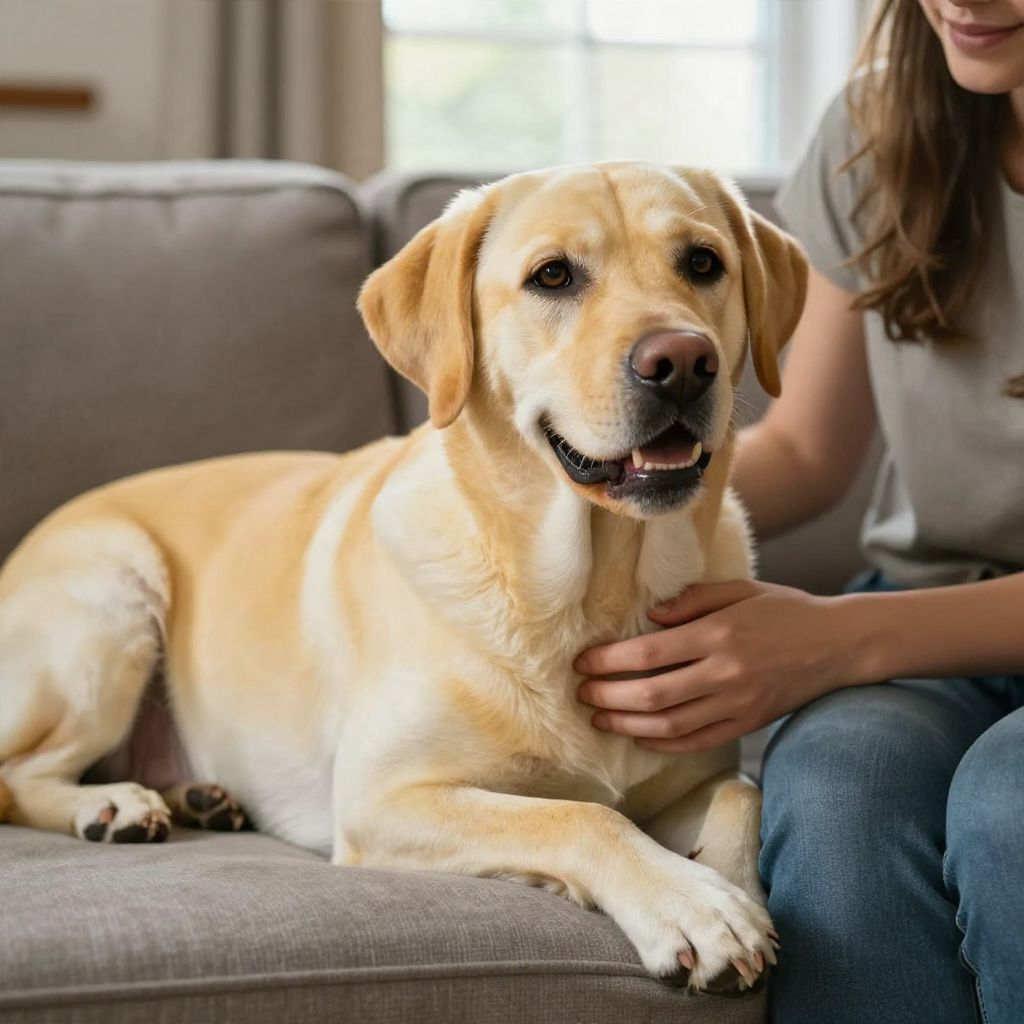
If you’re wondering, “Does my dog know I love her?” the short answer is yes—most dogs can learn that you are a safe, caring person through your actions, tone, and routine. They may not understand love the way humans do, but they do recognize comfort, trust, and positive association.
How clearly your dog reads that message depends on her personality, history, age, and how you interact with her. Gentle handling, predictable care, and reward-based training usually communicate affection far better than dramatic gestures alone.
Does My Dog Know I Love Her?
Yes, most dogs can understand that you are a source of safety, comfort, and good things. They may not “know love” as a human concept, but they can absolutely feel bonded to you through consistent care, positive interactions, and trust-building routines.
How Dogs Read Your Affection
Dogs are highly tuned to body language, voice, smell, and patterns. Your dog may not understand every word you say, but she likely notices how you move, how you touch her, and whether being near you feels pleasant or stressful.
What your dog may notice
- Your calm or excited tone of voice
- Soft facial expressions and relaxed posture
- Predictable routines for meals, walks, and rest
- Gentle petting in places she enjoys
- Treats, play, and training that feel rewarding
Many dogs also learn your daily habits. If you consistently provide food, exercise, attention, and safety, your dog may associate you with security and good experiences.
Signs Your Dog Feels Loved and Safe
Every dog is different, but common signs of comfort include relaxed body language, choosing to stay near you, seeking contact, and recovering quickly after mild surprises. These are not proof of “love” in a human sense, but they do suggest trust and attachment.
Positive signs to look for
- Leaning into you or resting beside you
- Loose, wiggly body language
- Soft eyes and a relaxed mouth
- Following you from room to room
- Greeting you calmly or with happy energy
- Choosing to settle near you during downtime
Some dogs are naturally more independent, shy, or reserved. That does not mean they do not feel bonded to you; they may simply show affection in quieter ways.
Ways to Show Your Dog You Love Her
The best way to communicate love is to make your dog feel safe, understood, and well cared for. Affection works best when it matches her preferences and doesn’t overwhelm her.
1. Use predictable routines
Dogs often feel secure when life is consistent. Regular feeding, walks, playtime, and rest help your dog know what to expect.
2. Let her choose some contact
Not every dog enjoys hugs, face-to-face leaning, or constant touching. Offer affection, then let her move closer if she wants more.
3. Reward good behavior
Reward-based training builds trust and helps your dog understand what earns praise, treats, or play. This is usually more effective than punishment and far kinder for your relationship.
4. Meet her physical needs
Love also means good care. That includes appropriate exercise, mental enrichment, grooming, veterinary visits, and a comfortable place to rest.
5. Respect her limits
If your dog turns away, freezes, licks her lips, yawns, or moves off, she may be asking for space. Respecting those signals can strengthen trust over time.
Do Dogs Understand Hugs, Kisses, and Cuddling?
Some dogs enjoy close contact, while others tolerate it or dislike it. A dog may accept a hug because she trusts you, but that does not always mean she finds it comforting. Watch her body language rather than assuming she likes every form of affection.
Safer ways to show affection
- Gentle chest or shoulder scratches if she enjoys them
- Soft praise in a warm voice
- Short, positive training sessions
- Interactive play, such as fetch or tug with rules
- Quiet time together on the couch or floor
If you want more guidance on affectionate interactions, you may also find do dogs know what kisses are? helpful.
What If My Dog Doesn’t Seem Affectionate?
Some dogs are naturally more independent, cautious, or less physically demonstrative. Others may have a history of fear, poor socialization, pain, or stressful experiences that make closeness harder.
Possible reasons for distance
- Temperament and personality
- Past neglect, fear, or trauma
- Low confidence in new environments
- Pain or illness
- Overhandling or pressure to interact
Do not force affection. Instead, build trust with calm routines, choice-based interactions, and positive reinforcement. If your dog suddenly becomes withdrawn, avoidant, or irritable, schedule a veterinary exam to rule out pain or illness.
How Age and Health Can Change the Way Dogs Show Love
Puppies, adults, and senior dogs may express attachment differently. A young dog may be bouncy and clingy, while an older dog may prefer quiet companionship. Health problems can also change behavior, especially if your dog is uncomfortable or anxious.
Puppies
Puppies are learning how to bond, trust, and self-regulate. Gentle handling, socialization, and short positive training sessions help them feel safe with you.
Adult dogs
Adult dogs often settle into stable bonding patterns. Consistent care and humane training usually strengthen the relationship over time.
Senior dogs
Older dogs may sleep more, move less, or seek calmer affection. If your senior dog seems less interested in interaction, pain, arthritis, dental disease, or hearing and vision changes could be involved.
When Behavior Changes Need a Vet
Not every change in affection is emotional. If your dog suddenly stops greeting you, avoids touch, or seems unusually clingy, a medical issue may be affecting how she feels.
Call your veterinarian promptly if you notice
- Sudden hiding or withdrawal
- New irritability or snapping
- Reluctance to be touched
- Changes in appetite or energy
- Stiffness, limping, or trouble rising
- Excessive panting, pacing, or restlessness
Seek urgent veterinary care if your dog has trouble breathing, collapses, has severe pain, cannot stand, has repeated vomiting, seizures, or a sudden major behavior change after possible toxin exposure or injury.
Common Mistakes That Can Make Affection Harder to Read
Sometimes owners try to show love in ways that feel natural to humans but confusing to dogs. If your dog seems unsure, the issue may be how affection is being delivered, not whether she loves you back.
Common mistakes
- Forcing hugs or prolonged restraint
- Staring directly into a nervous dog’s eyes
- Using a loud, excited voice around a sensitive dog
- Touching sensitive areas without permission or conditioning
- Skipping exercise, enrichment, or rest
- Using punishment-based training
Instead, aim for calm, predictable, and rewarding interactions. Many dogs respond best when affection is paired with safety and choice.
Practical Ways to Strengthen Your Bond
If you want your dog to feel your love more clearly, focus on everyday habits that build trust. Small, repeated actions usually matter more than occasional big gestures.
- Feed, walk, and rest your dog on a reliable schedule.
- Use treats and praise to reward behaviors you like.
- Learn her preferred type of touch and respect her boundaries.
- Spend a few minutes daily on training or enrichment.
- Give her quiet time near you without demanding attention.
- Keep up with veterinary care, grooming, and parasite prevention.
Training games, sniffing walks, puzzle feeders, and short play sessions can all help your dog associate you with comfort and fun. For many dogs, that is one of the clearest forms of love.
Bottom Line
So, does my dog know I love her? In most cases, yes—through your care, consistency, and the way you make her feel safe. The strongest message you can send is simple: be predictable, be kind, and let her show affection in her own way.
If you want to keep learning about dog communication and bonding, related reading on how to tell your dog you love them can help you make your affection even clearer.