
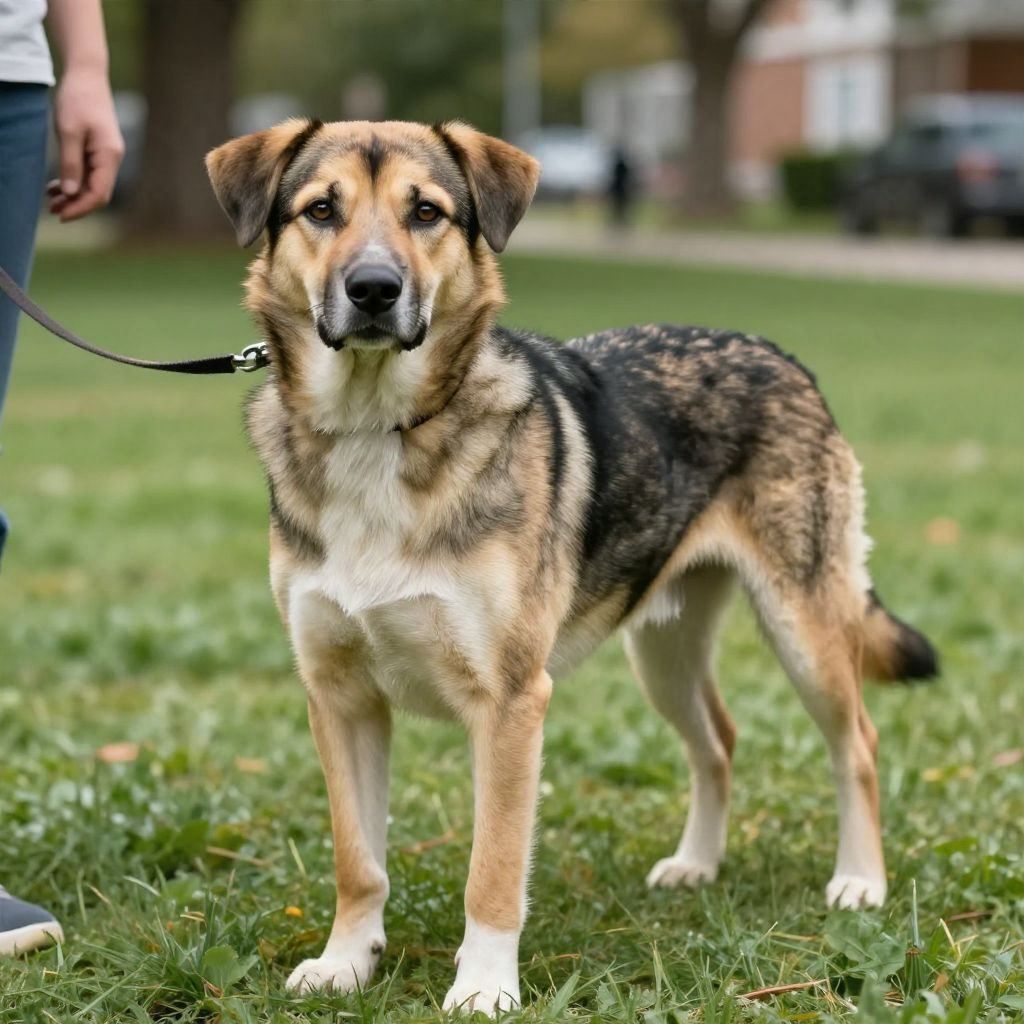
If you’ve heard the term “mutt dog,” you may be wondering what it actually means. In simple terms, a mutt is a dog with mixed ancestry rather than a single documented pure breed.
Mutt dogs can vary widely in size, coat, temperament, and needs because their family tree is mixed. That does not make them less healthy, less trainable, or less lovable than purebred dogs.
What Is A Mutt Dog?
A mutt dog is a mixed-breed dog, meaning its parents or ancestors come from more than one breed. The exact mix may be known, guessed, or completely unknown, and each mutt is unique in appearance, behavior, and care needs.
What “Mutt” Really Means
The word “mutt” is an informal term, and some people use it affectionately while others prefer “mixed-breed dog.” Both usually mean the same thing: a dog without a single recognized breed background.
Because the ancestry is mixed, a mutt may inherit traits from several breeds. That can affect coat type, energy level, body shape, size, and some health risks, but it never guarantees a specific outcome.
Mutt vs. purebred
- Purebred dog: Comes from a documented breed line with a known breed standard.
- Mutt dog: Has mixed ancestry and does not fit one breed standard.
- Mixed-breed dog: A more neutral, commonly preferred term for a mutt.
Neither category is automatically better. What matters most is the individual dog’s health, temperament, socialization, training, and the care you provide.
Are Mutt Dogs Different From Designer Dogs?
Yes, sometimes. A “designer dog” usually refers to a planned cross between two breeds, such as a Labradoodle or Cockapoo, while “mutt” usually describes a mixed-breed dog with less predictable or less documented ancestry.
In practice, the line can blur. Any mixed-breed dog can have a known or unknown background, and the label does not tell you everything about the dog’s needs.
Common Myths About Mutt Dogs
Mixed-breed dogs are often misunderstood. Here are a few common myths to avoid:
- Myth: Mutt dogs are always healthier.
- Reality: Mixed breeding may reduce the chance of some inherited problems, but any dog can develop illness or injury.
- Myth: Mutt dogs are harder to train.
- Reality: Training depends on the individual dog, early learning, consistency, and motivation.
- Myth: Mutt dogs are unpredictable.
- Reality: Mixed-breed dogs can be very stable and reliable when well socialized and trained.
What To Expect From A Mutt Dog
Because a mutt’s background is mixed, you should expect some variation. A puppy may change a lot as it grows, and an adult dog may still surprise you with coat changes, size changes, or shifting preferences as it matures.
Appearance
Mutt dogs can have almost any coat length, ear shape, tail type, or body build. Some look like one breed more than another, while others are a true blend.
Temperament
Temperament is shaped by genetics, early experiences, handling, socialization, and training. A mutt may be outgoing, shy, energetic, calm, independent, or highly people-focused.
Exercise needs
Exercise needs vary more by individual dog than by the “mutt” label. Some mixed-breed dogs need long daily walks and mental work, while others are content with moderate activity and play.
How To Care For A Mutt Dog
The best care for a mutt dog is based on the dog in front of you, not the label. Start with the basics and adjust to age, size, health, and energy level.
1. Feed a complete, balanced diet
Choose a dog food that is complete and balanced for your dog’s life stage. Puppies, adults, and seniors have different nutritional needs, and body size can also affect portion planning.
- Use measured meals rather than free-feeding when possible.
- Monitor body condition, not just weight alone.
- Ask your veterinarian if your dog needs a special diet for allergies, weight management, or a medical condition.
2. Groom according to coat type
Some mutt dogs need only basic brushing, while others need regular coat maintenance, ear cleaning, nail trimming, and professional grooming. A dog with a curly or long coat may mat more easily than a short-coated dog.
- Brush regularly to reduce tangles and shedding.
- Check ears, paws, and skin for irritation.
- Trim nails before they become overgrown.
3. Match exercise to the individual dog
Daily movement helps most dogs stay healthy and settled. The right amount depends on age, joint health, breed mix, and fitness level.
- Use walks, sniffing time, fetch, and training games.
- Increase activity gradually if your dog is out of shape.
- Stop if your dog shows limping, heavy fatigue, or heat stress.
4. Train with positive reinforcement
Mutt dogs respond well to humane, reward-based training. Treats, praise, toys, and access to valued activities can help teach manners, recall, loose-leash walking, and polite greetings.
- Keep sessions short and consistent.
- Reward the behavior you want to see more often.
- Prevent rehearsal of unwanted habits when possible.
5. Socialize thoughtfully
Early and ongoing socialization helps dogs feel safer around people, animals, sounds, and places. Go slowly and keep experiences positive, especially if your dog is shy or easily overwhelmed.
- Introduce new things at a comfortable distance.
- Pair new experiences with treats or play.
- Never force a fearful dog into stressful situations.
Health Considerations For Mutt Dogs
A mixed-breed dog may have some protection against certain inherited diseases, but that is not a guarantee. Health depends on the dog’s genetics, lifestyle, preventive care, and any conditions present in the family line.
Watch for common warning signs
Contact your veterinarian if you notice persistent changes in appetite, thirst, energy, weight, stool quality, skin condition, coughing, vomiting, or urination. These signs can point to many different problems that need proper evaluation.
Get urgent veterinary care if you see:
- Difficulty breathing
- Collapse or extreme weakness
- Seizures
- Bloated or painful abdomen
- Repeated vomiting or inability to keep water down
- Heavy bleeding
- Known toxin exposure
- Sudden inability to stand or walk
Do not wait if your dog has any of these emergency signs.
How To Learn More About Your Mutt Dog’s Background
If you want a better idea of your dog’s ancestry, a veterinary-approved DNA test may provide clues. Results can be helpful, but they are not perfect and should be treated as one piece of information, not a guarantee.
Your veterinarian can also help you interpret body condition, joint health, dental status, and any breed-linked risks that may be relevant to your dog’s care.
Common Mistakes To Avoid
Many owners accidentally overgeneralize based on the word “mutt.” Avoid these common mistakes:
- Assuming the dog will be easy because it is mixed-breed
- Assuming the dog will be unhealthy because it is mixed-breed
- Choosing exercise or food based on appearance alone
- Using punishment-based training methods
- Skipping vet visits because the dog “seems fine”
Instead, observe your dog as an individual and adjust care to fit real needs.
Why People Love Mutt Dogs
Many people love mutt dogs because they are one of a kind. Their mixed heritage can create a wide range of looks and personalities, and many owners enjoy the surprise of discovering what their dog likes, learns, and becomes over time.
What matters most is not whether a dog has a perfect pedigree, but whether you can meet its needs with patience, structure, and kindness.
Conclusion
A mutt dog is simply a mixed-breed dog, and that label tells you less about the dog than its individual temperament, health, and care needs. Focus on good nutrition, routine vet care, positive training, and daily enrichment so your dog can thrive.
If you enjoy learning about dog backgrounds and breed stories, you may also like reading about what kind of dog Lady is and what kind of dog Lady from Lady and the Tramp is.