
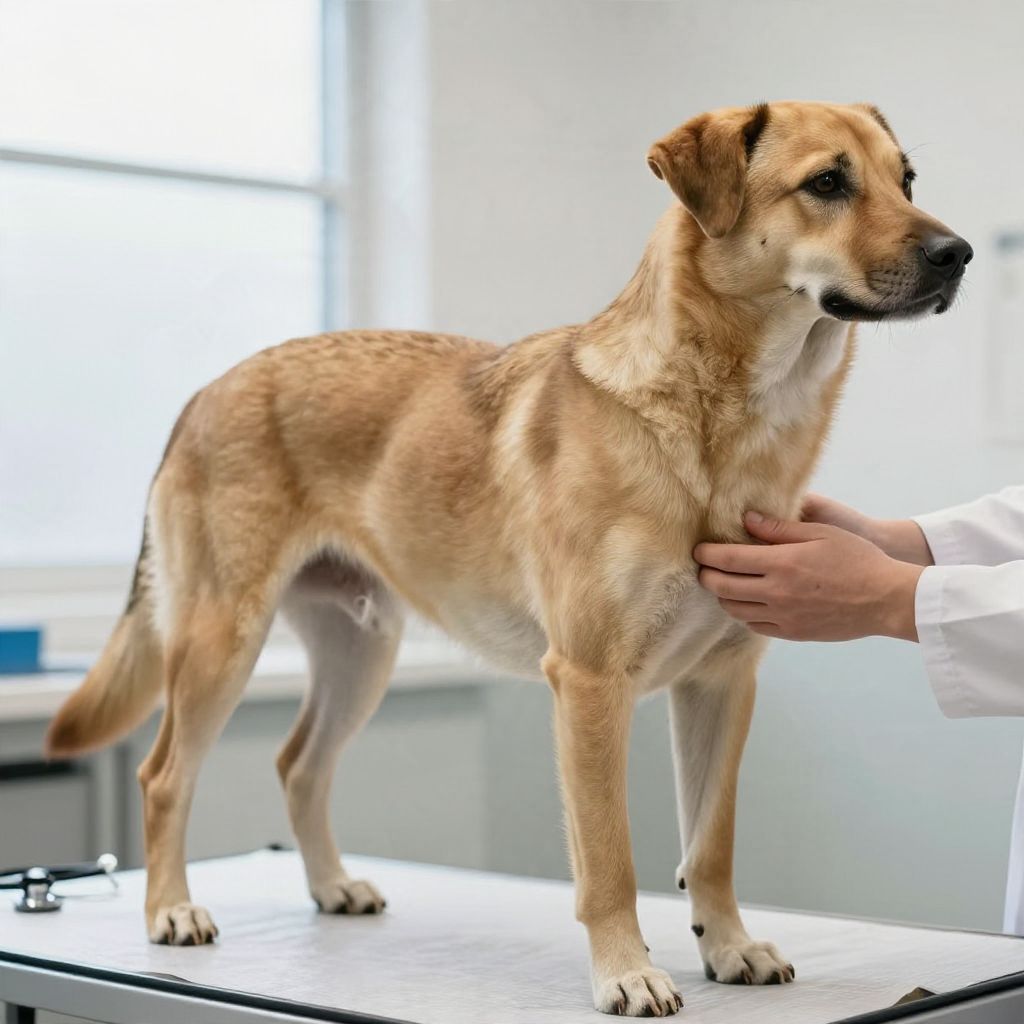
If you’re asking, “Where is a dogs heart?” the short answer is that it sits in the chest, slightly left of center, behind the front legs. Its exact position can look a little different depending on the dog’s body shape, size, and posture.
Knowing the location helps you understand breathing, CPR basics, and where to notice unusual chest pain or swelling. It also helps you avoid guessing when your dog seems unwell and needs a veterinarian.
Where Is A Dogs Heart?
A dog’s heart is located in the chest cavity between the lungs, behind the elbow area, and tilted slightly toward the left side. In most dogs, it lies low in the chest rather than high near the neck. The exact feel of the heartbeat can vary with breed, size, body condition, and whether your dog is standing, lying down, or panting.
How the heart sits inside a dog’s body
The heart is protected by the ribcage and sits in the mediastinum, the space between the lungs. Because of this position, you usually cannot see or feel it from the outside unless your dog is very thin or you are checking a pulse point.
If you place your hand on the left side of the chest just behind the front leg, you may sometimes feel a heartbeat in a relaxed dog. That does not mean every strong beat is normal, though, and changes in rhythm or effort should be checked by a vet.
Why the heart’s position matters
- It helps you understand where a veterinarian listens with a stethoscope.
- It explains why chest injuries can be serious even when the skin looks normal.
- It helps you recognize that breathing trouble may involve the heart, lungs, or both.
- It supports safer CPR awareness in emergencies.
Does the heart sit in the same place in every dog?
Not exactly. The heart is in the same general chest area in all dogs, but body shape can change how it lies and how easy it is to detect. Deep-chested dogs, stockier dogs, puppies, and overweight dogs may present differently on exam, and a vet may interpret heart sounds and imaging with those differences in mind.
Breed tendencies can matter, but they are not guarantees. A dog’s individual health history, age, fitness, and any heart disease are more important than breed labels alone.
Factors that can affect how it seems to “sit”
- Body condition: Thin dogs may make the heartbeat easier to feel.
- Chest shape: Deep-chested or barrel-chested dogs can differ in heart position and exam findings.
- Age: Puppies and senior dogs may have different exam patterns and risks.
- Health status: Heart enlargement, fluid buildup, or lung disease can change what you notice.
How can you find your dog’s heartbeat?
You can sometimes feel or hear a heartbeat at the left side of the chest, just behind the front leg, when your dog is calm. This is only a rough check, not a medical diagnosis. If you are trying to assess your dog at home, use a gentle touch and stop if your dog seems stressed or painful.
- Have your dog rest quietly for a minute or two.
- Place your hand on the left side of the chest behind the front leg.
- Look for a steady, rhythmic beat.
- Notice whether breathing looks easy or labored.
- If something seems off, call your veterinarian.
Do not rely on home checking alone if your dog seems weak, collapses, coughs repeatedly, or has trouble breathing. Those signs need professional assessment.
What signs suggest a heart problem in dogs?
Many heart problems do not show obvious signs early. When symptoms do appear, they may be subtle at first and then worsen over time. Some dogs cough, tire easily, breathe faster, or seem less interested in exercise. Others may faint, especially with rhythm problems.
- Persistent coughing, especially at night or after activity
- Fast or labored breathing
- Reduced stamina or reluctance to exercise
- Fainting or sudden weakness
- Swollen belly or fluid retention
- Pale or bluish gums
- Restlessness, especially when lying down
Emergency warning: If your dog is struggling to breathe, collapses, has blue gums, or cannot stand, seek urgent veterinary care immediately.
When should you call a vet about the heart area?
You should contact a veterinarian if you notice a new cough, unusual fatigue, fainting, rapid breathing at rest, or any chest discomfort. Even if your dog seems okay between episodes, these signs can point to a heart or lung issue that needs an exam.
A vet may listen for a murmur, check pulse quality, take x-rays, run blood tests, or recommend an echocardiogram. Those tests help determine whether the problem is truly cardiac or something else.
Go to urgent care now if you notice:
- Labored breathing or open-mouth breathing at rest
- Collapse or repeated fainting
- Blue, gray, or very pale gums
- Severe weakness or inability to stand
- A swollen abdomen with distress
- Known heart disease plus sudden worsening signs
Can you check a dog’s heart rate at home?
Yes, but only as a general wellness check. A calm resting dog should have a steady heartbeat, and your veterinarian can show you how to count it properly if needed. Heart rate can rise with stress, heat, pain, excitement, and exercise, so one reading alone does not tell the whole story.
If you are checking at home, compare changes over time rather than focusing on a single number. A sudden change from your dog’s usual pattern is more meaningful than an isolated reading during excitement.
How the heart location relates to CPR and emergencies
Knowing where a dog’s heart is can help you understand basic emergency care, but CPR should only be used when a dog is unresponsive and not breathing normally. If your dog collapses, call emergency veterinary help right away and follow guidance from a veterinary professional if available.
In an emergency, chest compressions are generally performed over the widest part of the chest, but exact technique depends on the dog’s size and body shape. If you want to be prepared, ask your vet or a certified pet first-aid instructor for hands-on training.
Common mistakes people make
- Assuming the heart is in the same spot as a human heart.
- Ignoring coughing or exercise intolerance because the dog still “seems fine.”
- Trying to diagnose a murmur or rhythm problem at home.
- Waiting to see if breathing trouble improves on its own.
- Using punishment or stress to “calm” a dog that is actually ill.
Dogs often hide discomfort, so subtle changes matter. If your dog is older, has a known murmur, or has had heart disease before, take new signs seriously.
What if your dog is a puppy, adult, or senior?
Age can change what you notice around the chest and heart. Puppies may have faster heart rates and can seem to breathe quickly when excited, while senior dogs are more likely to develop age-related heart disease or other conditions that affect breathing and stamina.
Puppies
Puppies usually have fast heart rates and can tire quickly. However, extreme weakness, poor growth, coughing, or trouble breathing is not normal and should be checked.
Adult dogs
Healthy adults often have stable energy and breathing patterns. If your adult dog suddenly slows down, coughs, or faints, do not assume it is just aging.
Senior dogs
Older dogs are more likely to develop heart murmurs, valve disease, or other cardiac issues. If you want more guidance on aging signs alongside heart concerns, you may find this helpful: signs your dog is dying of old age.
How to support heart health
You cannot change where a dog’s heart is, but you can support overall cardiovascular health with good routine care. The best approach depends on your dog’s age, breed tendencies, weight, and medical history.
- Keep up with veterinary checkups.
- Maintain a healthy body weight.
- Provide regular, appropriate exercise.
- Use parasite prevention as recommended by your vet.
- Feed a complete, balanced diet.
- Report coughing, fainting, or reduced stamina early.
Do not give supplements or medications for heart support unless your veterinarian recommends them. Some products are unnecessary, and some can interfere with treatment.
Bottom line
A dog’s heart is in the chest, behind the front legs and slightly left of center. If you notice coughing, fainting, breathing trouble, or unusual fatigue, contact a veterinarian promptly, and treat breathing distress or collapse as an emergency.
If you want to keep learning about dog heart health, it can also help to read about whether dogs can have heart attacks and what warning signs deserve urgent attention.