
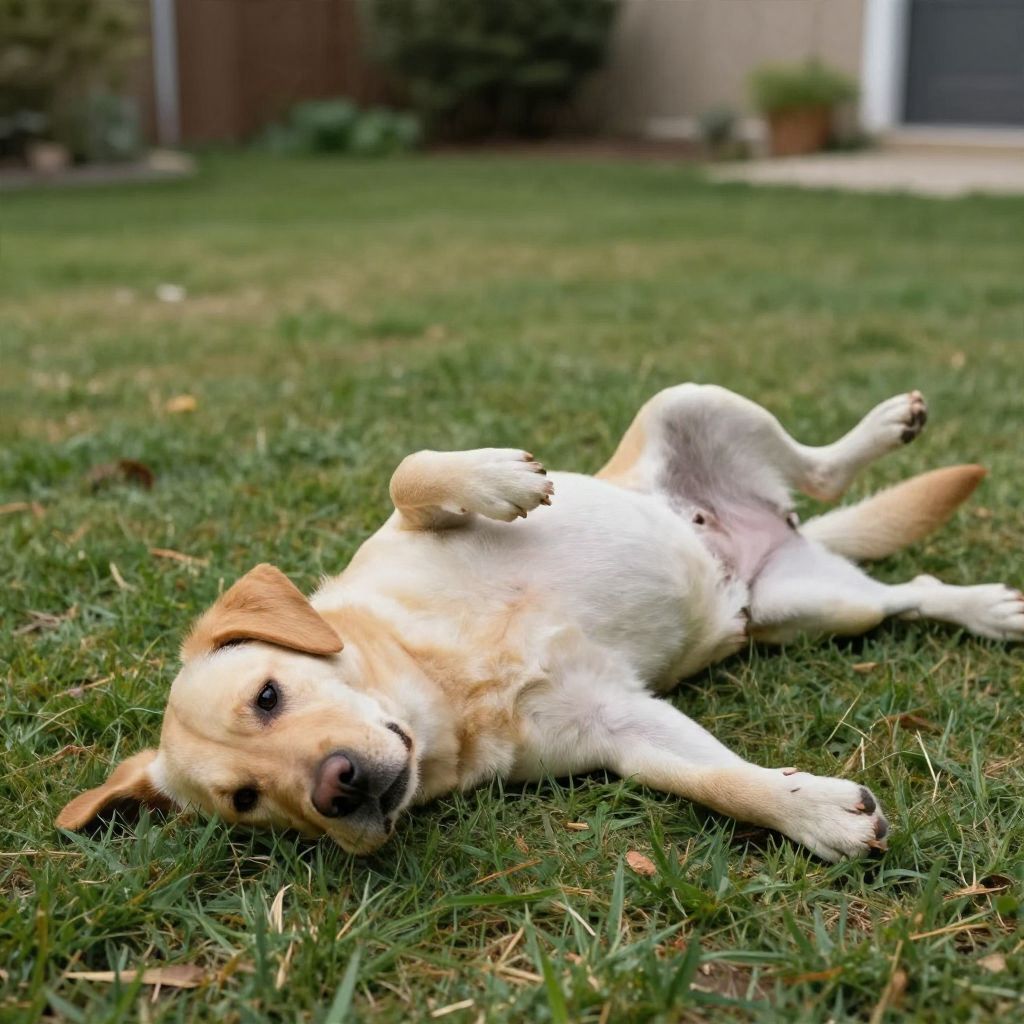
If your dog flops over and offers their belly, you may wonder why do dogs love belly rubs so much. In many cases, it’s a mix of trust, affection, comfort, and simple physical pleasure.
But not every belly-up dog is asking for a rub. Some are seeking attention, calming themselves, or signaling uncertainty, so it helps to read the whole body language before you reach in.
Why do dogs love belly rubs?
Dogs often enjoy belly rubs because the touch feels good, strengthens social bonding, and can be soothing. A belly-up posture may also be a sign of trust and relaxation. However, some dogs expose their belly to ask for space, avoid conflict, or invite gentle interaction rather than a full rub.
What belly exposure can mean
Rolling onto the back is not one universal message. The meaning depends on the dog’s posture, facial expression, tail movement, and the situation around them.
Common reasons dogs show their belly
- Trust and comfort: Many relaxed dogs expose their belly when they feel safe with you.
- Affection-seeking: Some dogs learn that belly rubs lead to attention and closeness.
- Play invitation: A loose, wiggly dog may be asking for interaction.
- Calming signal: Some dogs use a submissive-looking posture to reduce tension.
- Scratch preference: The belly can be an itchy or sensitive area that some dogs genuinely enjoy having scratched.
When belly-up does not mean “rub me”
A dog may roll over because they feel nervous, want to avoid direct eye contact, or are trying to de-escalate a situation. If the body looks stiff, the tail is tucked, the ears are pinned back, or the dog is licking their lips repeatedly, they may not be relaxed enough for belly contact.
How to tell if your dog actually wants a belly rub
Look for loose, soft body language before you touch the belly. A happy dog usually looks wiggly, relaxed, and open to interaction, while a stressed dog may appear tense or frozen.
Signs your dog may welcome it
- Loose, relaxed muscles
- Soft eyes and a calm face
- Open mouth or relaxed breathing
- Wiggly body or gentle tail movement
- Leaning into your hand or nudging for more
Signs to stop or not start
- Stiff body or sudden stillness
- Whale eye, hard stare, or avoidance
- Tail tucked tightly
- Growling, lip curling, or snapping
- Trying to move away after you touch them
If you are unsure, let your dog choose. Offer your hand slowly and see whether they move closer, remain relaxed, or turn away.
What belly rubs may feel like to dogs
Dogs have sensitive skin and many nerve endings, so a belly rub can feel like pleasant pressure or scratching in a hard-to-reach spot. Some dogs prefer broad, gentle strokes, while others like firmer scratching. Individual preference matters more than breed labels.
Why some dogs love it more than others
- Individual temperament: Some dogs are naturally more touch-seeking.
- Early socialization: Dogs handled gently from a young age may be more comfortable with touch.
- Past experiences: A dog with rough handling history may be more guarded.
- Body sensitivity: Skin, coat, or medical issues can make belly touch unpleasant.
- Age and mobility: Puppies and seniors may respond differently because of energy level, comfort, or joint pain.
How to give a belly rub the right way
Keep it gentle, brief, and based on your dog’s response. The best belly rub is the one your dog clearly chooses and enjoys.
- Approach calmly and avoid looming over your dog.
- Offer your hand and wait for your dog to lean in or stay relaxed.
- Start with light strokes on the chest or side if your dog seems unsure.
- Move to the belly only if your dog remains loose and receptive.
- Pause often and watch for signs that they want more or want to stop.
Short sessions are often better than long ones. Many dogs enjoy a few seconds of affection, then prefer to move away or switch to another type of touch.
When belly rubs can be a problem
Sometimes a dog that once loved belly rubs starts avoiding them. That change can point to discomfort, fear, or a medical issue, so it is worth paying attention.
Possible reasons a dog stops liking belly rubs
- Skin irritation, allergies, or parasites
- Abdominal pain or digestive discomfort
- Muscle soreness or joint pain
- Fear from a negative handling experience
- General sensitivity during illness or aging
If your dog suddenly flinches, growls, or pulls away when touched on the belly, do not force it. Schedule a veterinary exam, especially if you also notice vomiting, diarrhea, swelling, limping, lethargy, or changes in appetite.
Red flags that need veterinary attention
Some belly-related behavior changes are more than preference. They can signal pain or a serious health issue.
- Sudden sensitivity to touch around the abdomen
- Bloated or distended belly
- Repeated vomiting or retching
- Whining, pacing, or restlessness with belly discomfort
- Weakness, collapse, or trouble breathing
- Guarding the belly or reacting aggressively when touched
Seek urgent veterinary care immediately if your dog has a swollen abdomen, is trying to vomit without producing anything, seems weak or distressed, or cannot get comfortable. Those signs can be emergencies.
How age, size, and breed tendencies can affect belly rub preferences
There is no single breed that “loves” belly rubs more than all others. Breed tendencies may influence sociability or sensitivity, but personality, handling history, and health matter more.
Puppies
Puppies often enjoy touch if it has been introduced gently and positively. Keep sessions short and calm, and use them as a chance to build trust rather than overwhelm the puppy with too much handling.
Adult dogs
Adult dogs usually have clear preferences. Some want belly rubs from everyone, while others only accept them from familiar people.
Senior dogs
Older dogs may still love belly rubs, but arthritis, muscle stiffness, or abdominal sensitivity can change what feels good. Use softer touch and pay attention to whether they prefer side rubs instead.
Common mistakes to avoid
Even well-meaning owners can misread the signal. Avoiding these mistakes helps keep belly rubs positive and safe.
- Forcing a rub when your dog looks tense
- Reaching straight for the belly without greeting first
- Ignoring growling, freezing, or lip licking
- Assuming every belly-up posture means “pet me”
- Touching a painful or irritated area repeatedly
If your dog is sensitive, let them guide the interaction. Respecting their choice builds trust and often makes them more affectionate over time.
What to do if your dog wants belly rubs all the time
Some dogs seek constant touch because it is rewarding, comforting, or attention-getting. That is usually harmless, but it is still useful to balance affection with rest, training, and independent time.
Healthy ways to manage attention-seeking
- Reward calm behavior with a few seconds of petting.
- Teach an alternative cue, such as sitting politely for attention.
- Mix affection with enrichment, walks, and play.
- Give your dog space if they become overexcited or pushy.
If your dog seems unable to settle, is clingy in a new way, or becomes distressed when you stop petting, talk with a veterinarian or qualified trainer to rule out anxiety or discomfort.
Why reading body language matters
The real answer to why do dogs love belly rubs is that many dogs enjoy them, but the reason varies by dog and moment. The safest approach is to treat belly exposure as an invitation to observe first, then touch only if your dog looks relaxed and willing.
When you pay attention to posture, facial expression, and history, you can tell the difference between a happy belly-rub request and a dog who needs space. For more on canine affection cues, you may also find how dogs show affection and why dogs like being pet helpful.
In short, let your dog lead. Gentle, consent-based touch is the best way to keep belly rubs enjoyable, strengthen trust, and notice early when something is not right.