
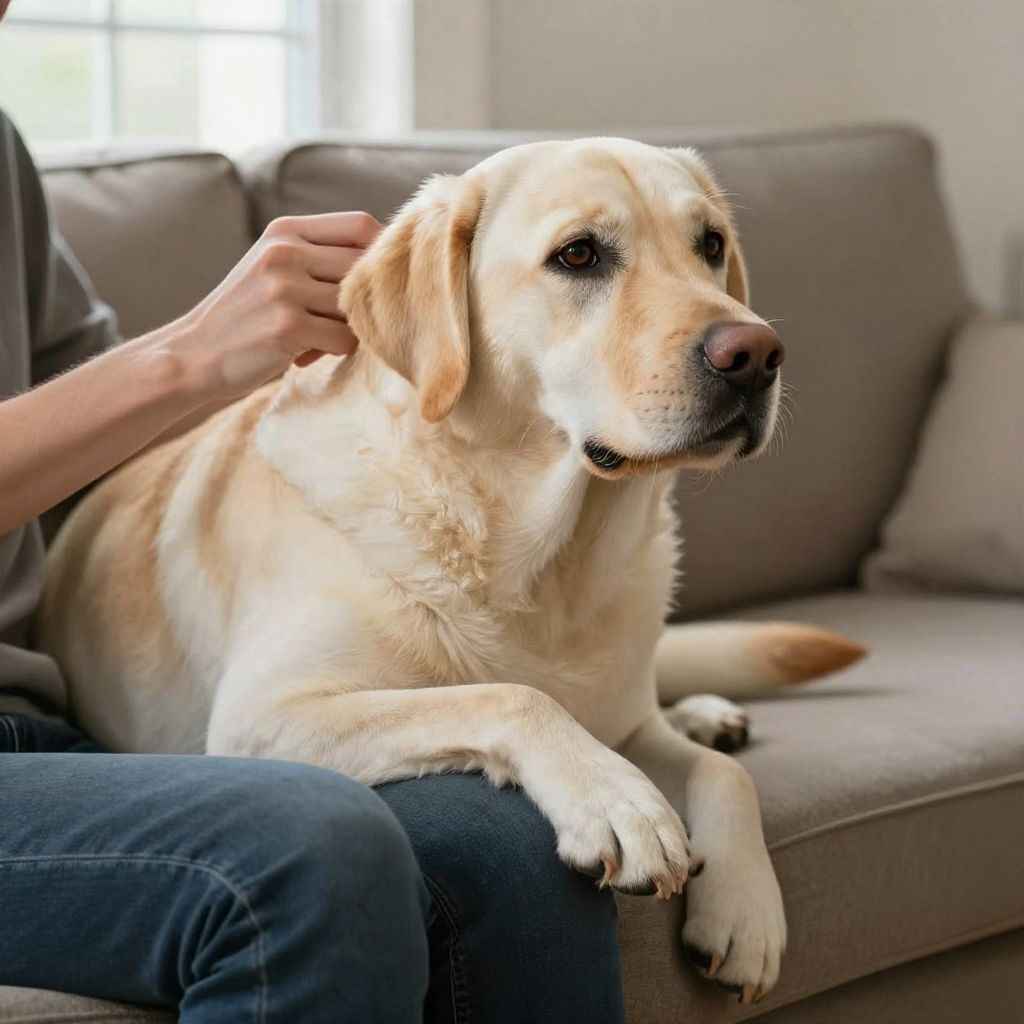
How do dogs show affection? Most dogs use a mix of body language, gentle contact, and attention-seeking behaviors to show they feel safe and connected to you. The exact signals vary by individual dog, age, breed tendencies, training, and past experiences.
Some affectionate behaviors are easy to recognize, while others can look like excitement, habit, or even stress. Learning your dog’s normal patterns helps you understand what they mean and respond in ways that strengthen trust.
How do dogs show affection?
Dogs show affection through relaxed body language, seeking closeness, soft eye contact, wagging, licking, leaning, bringing toys, and choosing to stay near you. The meaning depends on context: a calm, loose body usually signals comfort, while tense or pushy behavior may mean excitement, stress, or a need for guidance.
Common ways dogs show affection
Many affectionate behaviors are subtle. Look for a cluster of signs rather than one gesture alone.
- Following you around — staying near you because you are a source of comfort and predictability.
- Soft eye contact — relaxed eyes and a calm face often show trust.
- Leaning or pressing against you — physical closeness can be a sign of security.
- Tail wagging — often a friendly signal, especially when the rest of the body is loose and wiggly.
- Licking — can be social grooming, appeasement, or excitement.
- Bringing you toys — an invitation to interact and share attention.
- Rolling over — may show trust, though not every belly-up dog wants a belly rub.
- Greeting you enthusiastically — jumping, spinning, or vocalizing can reflect strong attachment, though it may need training.
Body language matters more than one behavior
A wagging tail does not always mean “happy,” and a lick does not always mean “affection only.” To interpret your dog accurately, watch the whole picture: posture, ear position, mouth tension, vocalizing, and whether your dog can relax after the interaction.
Signs your dog feels safe and bonded with you
Affection is often tied to safety. Dogs that trust you usually show calm, relaxed behaviors in your presence.
- They settle near you without constantly scanning the room.
- They choose to nap in the same area as you.
- They recover quickly after mild surprises when you are nearby.
- They seek you out for comfort during unfamiliar situations.
- They accept handling more easily when you have built trust gradually.
These signs can be stronger or weaker depending on age, temperament, socialization, and health. A shy rescue dog may show affection quietly, while a highly social dog may be more obvious and physical.
Why some dogs are more openly affectionate than others
Not every dog shows love in the same way. Breed tendencies can influence style, but they do not guarantee behavior.
Breed tendencies and individual differences
Some dogs are often described as people-oriented or cuddly, while others are more independent or reserved. Even within the same breed, personality, early experiences, and training history can make a big difference.
- Age — puppies may be exuberant and mouthy; seniors may prefer calmer contact.
- Health — pain, arthritis, dental disease, or illness can reduce affectionate behavior.
- Past experiences — dogs with limited socialization or trauma may need more time to trust.
- Environment — a noisy or busy home can make some dogs less physically affectionate.
How puppies show affection
Puppies often show affection through play, following, licking, and climbing into your lap. They are also still learning impulse control, so affectionate behavior may look messy or overexcited.
- They may mouth your hands or clothes while seeking attention.
- They may zoom toward you and then bounce away.
- They may fall asleep near you after play or training.
Use gentle, reward-based training to teach polite greetings and safe touch. Reward calm behavior, offer chew toys, and give your puppy rest breaks so excitement does not turn into nipping or overstimulation.
How adult dogs show affection in everyday life
Adult dogs often develop more predictable ways of connecting. Many enjoy routines, familiar voices, and shared activities.
Shared activities can be affection
Some dogs show attachment by wanting to do things with you rather than cuddle. A dog that eagerly joins you for walks, training, sniffing games, or quiet time may be expressing affection in a practical, dog-typical way.
- Bringing you a leash or standing by the door may mean “I want to go with you.”
- Checking in during a walk can show social connection.
- Returning to you after exploring may indicate you are their safe base.
How senior dogs may show affection
Older dogs may become softer, slower, or more selective about contact. They may prefer resting near you instead of active play, especially if mobility or vision changes make movement harder.
- They may lean into you more for support.
- They may seek warmth and quiet companionship.
- They may enjoy shorter, gentler interactions.
If a senior dog suddenly stops seeking closeness or seems uncomfortable when touched, ask your veterinarian to check for pain or illness. Changes in affection can sometimes be an early sign that something is wrong.
When affectionate behavior is actually stress or overarousal
Not every intense contact is true affection. Some dogs lick, jump, paw, or cling because they are anxious, overstimulated, or unsure what to do.
Watch for stress signals
- Stiff body posture
- Whale eye, wide eyes, or a frozen expression
- Yawning when not tired
- Lip licking away from food
- Trying to move away, then returning repeatedly
- Whining, pacing, or frantic jumping
If your dog seems torn between approaching and avoiding, give space and lower the intensity of the situation. Calm routines, predictable handling, and positive reinforcement can help build confidence over time.
How to encourage healthy affection
You can strengthen your bond without forcing closeness. The goal is to make your dog feel safe, understood, and rewarded for calm interaction.
- Let your dog choose — invite contact, but do not insist on cuddles or handling.
- Reward calm behavior — quietly praise or treat relaxed sitting, settling, and gentle greetings.
- Use predictable routines — regular walks, meals, and rest times help dogs feel secure.
- Pair touch with consent — pet briefly, then pause and see whether your dog leans in or moves away.
- Offer enrichment — sniffing games, training, and chew items can reduce frustration and improve social balance.
Teach polite greeting habits
If your dog shows affection by jumping or pawing, redirect that energy into a sit, target touch, or four paws on the floor. Reward the behavior you want to see more often. This keeps affection safe and easier to enjoy.
When to worry about changes in affection
A sudden change in how your dog shows affection can matter. If your dog becomes withdrawn, unusually clingy, or touch-sensitive, look for a medical or behavioral reason.
Contact a veterinarian promptly if you notice reduced appetite, lethargy, limping, coughing, vomiting, diarrhea, weight loss, swelling, bad breath, or signs of pain. These can affect your dog’s willingness to interact.
Seek urgent veterinary care if your dog is having trouble breathing, collapses, has a bloated abdomen, has a seizure, cannot stand, has severe bleeding, or may have ingested something toxic. Do not wait to see if the behavior improves.
Common mistakes when reading dog affection
Misreading signals can lead to stress for both you and your dog. A few common mistakes are easy to avoid.
- Assuming every lick means love, even when the dog looks tense.
- Forcing hugs, face-to-face contact, or prolonged petting when the dog pulls away.
- Interpreting excitement as obedience or calm affection.
- Ignoring pain-related behavior changes.
- Using punishment for jumping, pawing, or vocalizing instead of teaching an alternative behavior.
Respecting your dog’s preferences usually improves affection over time. Dogs often become more openly loving when they learn that their signals are heard and their boundaries are safe.
Practical ways to respond when your dog shows affection
When your dog offers a friendly signal, respond in a way that reinforces trust.
- Speak softly and keep your movements calm.
- Pet the areas your dog enjoys most, if they seek touch.
- Pause often to see whether your dog wants more interaction.
- Use treats or praise for calm, gentle contact.
- End the interaction before your dog becomes overexcited.
If your dog prefers proximity over petting, respect that. Sitting nearby, offering a chew, or sharing a quiet room can be meaningful affection from your dog’s point of view.
Conclusion
Dogs show affection in many ways, from leaning and licking to following you, relaxing near you, and choosing to engage. The best way to understand your dog is to watch the whole body, respect their comfort level, and respond with calm, reward-based care.
If you want to learn more about related behaviors, you may also find why dogs lick you so much and why dogs nibble on you helpful for interpreting affectionate habits.