
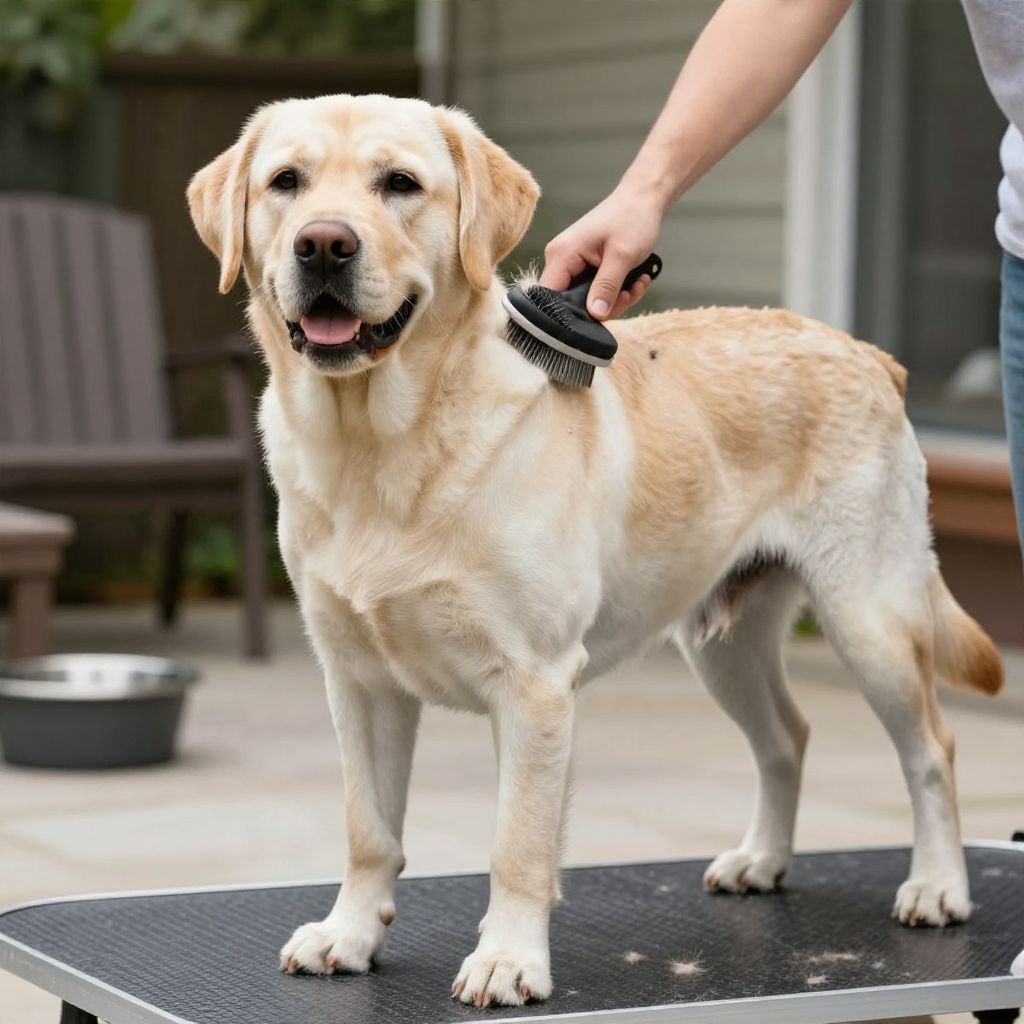
Do Labs shed a lot? Yes—most Labrador Retrievers do shed noticeably year-round, and many shed more during seasonal coat changes. Their short, dense double coat is built for weather protection, not low shedding, so regular grooming is usually part of life with a Lab.
How much they shed can vary by individual dog, age, health, diet, and grooming routine. If shedding suddenly increases or comes with itching, bald spots, or skin changes, it’s worth checking with your veterinarian.
Do Labs Shed A Lot?
Yes. Labrador Retrievers are known for moderate to heavy shedding, especially because they have a thick double coat. Most Labs shed throughout the year, with heavier shedding often happening in spring and fall. Regular brushing helps manage loose hair, but it will not stop shedding completely.
Why Labradors Shed So Much
Labs have a coat designed to help them handle cold water and changing weather. The undercoat helps with insulation, while the outer coat protects the skin and repels moisture. When the undercoat loosens, you may notice hair on furniture, clothes, floors, and car seats.
What affects shedding in individual Labs?
- Season: many dogs shed more when temperatures change.
- Age: puppies and seniors may have different coat patterns and skin needs.
- Health: allergies, parasites, infections, and hormone problems can increase shedding.
- Nutrition: a balanced diet supports skin and coat health.
- Grooming habits: regular brushing removes loose hair before it spreads around your home.
How Much Shedding Is Normal?
Normal Lab shedding usually means steady hair loss without major skin problems. You may see loose hair on your dog after petting, brushing, or vacuuming, but your dog should still have a healthy coat and skin. If the shedding seems sudden, patchy, or extreme, it may be more than normal coat turnover.
Signs the shedding may be a health issue
- Itching, licking, or chewing at the skin
- Bald spots or thinning patches
- Redness, flaking, crusting, or odor
- Hair loss around the ears, belly, tail, or paws
- Changes in appetite, energy, or weight
Best Ways to Manage Lab Shedding
You cannot eliminate shedding, but you can reduce how much loose hair ends up around your home. The most effective approach is consistent grooming combined with good skin and coat care.
1. Brush your Lab regularly
Brushing removes loose undercoat hair before it falls out on your floors and furniture. For many Labs, brushing several times a week works well, and during heavy shedding seasons, daily brushing may help.
- Use a grooming tool suited for double coats.
- Brush in the direction of coat growth.
- Be gentle around sensitive areas like the belly and behind the ears.
2. Bathe only as needed
Bathing can help loosen dead hair, but too-frequent bathing may dry the skin and worsen coat problems. Use a dog-safe shampoo and rinse thoroughly. If your Lab has skin irritation, ask your veterinarian before changing bathing routines or products.
3. Feed a complete, balanced diet
Healthy skin starts with good nutrition. A quality diet appropriate for your dog’s age and activity level supports coat condition, but food alone will not stop shedding. If you are considering supplements, talk with your veterinarian first, especially if your dog has allergies or a medical condition.
4. Keep up with parasite prevention
Fleas and mites can cause itching and hair loss. If your Lab is scratching, biting at the skin, or losing hair, parasite control should be part of the conversation with your vet.
5. Reduce stress and support routine
Stress does not usually cause normal Lab shedding, but it can affect grooming habits and skin health. Regular exercise, predictable routines, enrichment, and rest can help your dog stay comfortable and well cared for.
Do Labs Shed More Than Other Dogs?
Compared with low-shedding breeds, yes, Labs usually shed a lot more. Compared with some other double-coated breeds, their shedding may feel similar. The real difference is that Labs are a popular family dog, so their hair is often more noticeable on clothing, upholstery, and in the car.
If you want a lower-shedding dog
If shedding is a major concern, a Lab may not be the easiest choice. However, individual grooming tolerance matters too. Some people handle a shedding breed well because they brush regularly and keep a cleaning routine, while others prefer a coat that sheds less.
Common Mistakes When Trying to Control Shedding
Many owners try quick fixes that do not address the real cause of the hair loss. The goal is to manage normal shedding safely and notice when something seems off.
- Skipping brushing, then trying to “catch up” only when hair is everywhere.
- Bathing too often in an effort to remove loose coat.
- Using harsh human products on the skin.
- Ignoring itching, redness, or odor.
- Assuming all shedding is normal even when the pattern changes suddenly.
When Shedding Needs a Vet Visit
Contact your veterinarian if shedding comes with skin changes, discomfort, or a sudden coat change. These signs can point to allergies, infection, parasites, endocrine disease, or another issue that needs proper diagnosis.
Seek urgent veterinary care if you notice
- Open sores, bleeding, or severe skin irritation
- Facial swelling or hives
- Rapid hair loss with weakness, vomiting, or lethargy
- Signs of pain, fever, or a very unwell appearance
- Possible toxin exposure or a serious allergic reaction
Helpful Grooming Routine for a Shedding Lab
A simple routine can make living with a Lab much easier. Consistency matters more than doing a big cleanup once in a while.
- Brush your dog on a regular schedule.
- Check the skin while brushing for redness, bumps, or flakes.
- Use dog-safe bathing products only when needed.
- Vacuum and wash bedding often.
- Watch for changes in shedding, itching, or coat texture.
What to Expect as Your Lab Ages
Puppies often have softer coats, and adult Labs usually develop the fuller coat pattern many owners recognize. Senior dogs may shed differently if their skin becomes drier or if health conditions develop. Older dogs also benefit from gentle grooming, because their skin may be more sensitive.
Bottom Line
Yes, Labs shed a lot for many owners, and that shedding is usually a normal part of having a Labrador Retriever. Regular brushing, sensible bathing, good nutrition, and routine health care can make it much more manageable. If the shedding changes suddenly or your dog seems uncomfortable, contact your veterinarian.
If you want more help comparing coat care issues, you may also find this Lab shedding guide and this article on why dogs shed so much useful.