
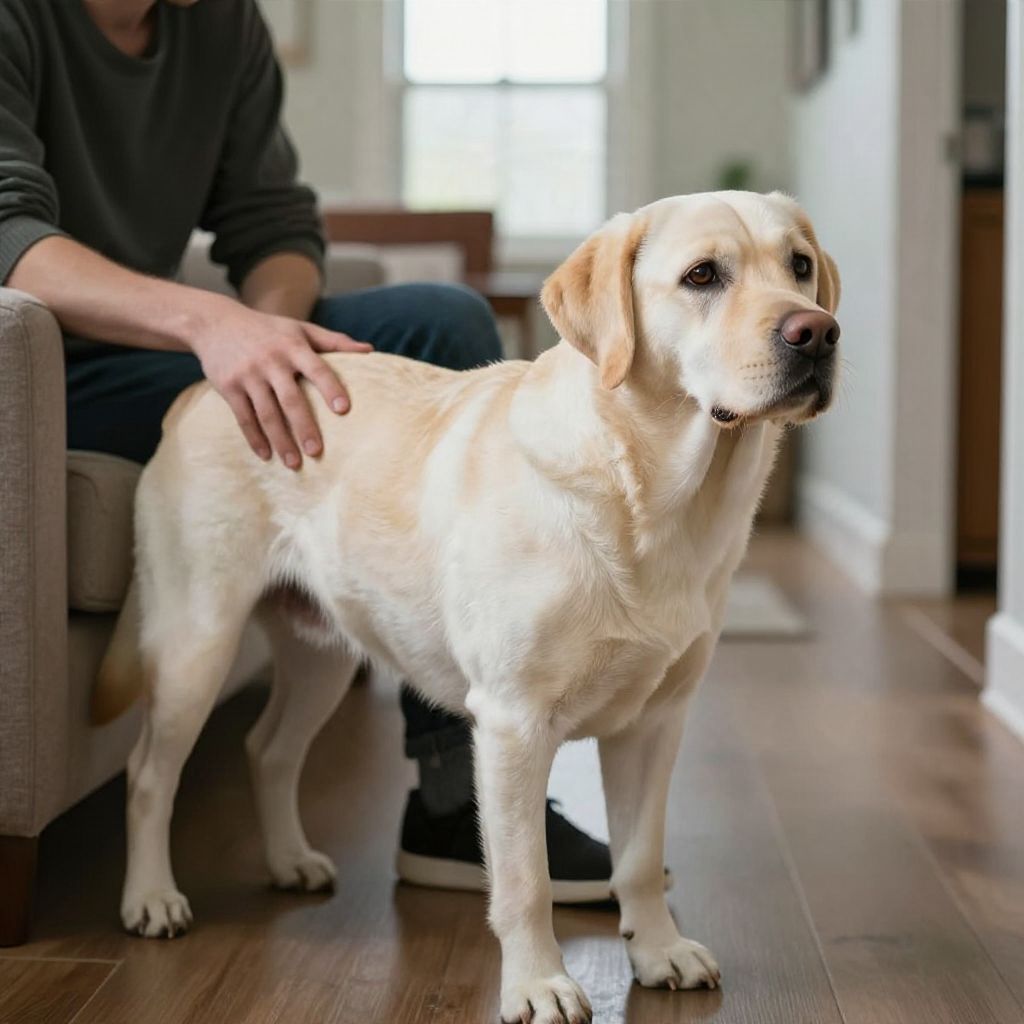
Why is my dog so clingy? If your dog follows you everywhere, panics when you leave, or demands constant contact, the cause is often a mix of attachment, learned habits, stress, or a medical issue. Some dogs are naturally more people-focused, but sudden clinginess deserves attention.
The good news is that you can usually improve it with routine, enrichment, and calm training. If the behavior is new, intense, or paired with other symptoms, a veterinarian should rule out pain, illness, or anxiety-related problems.
Why is my dog so clingy?
Dogs often become clingy because they feel safest near you, have learned that attention comes from following you, or are reacting to stress, boredom, or illness. Puppies, senior dogs, and dogs with separation anxiety are especially likely to seek constant contact, but a sudden change should be checked by a vet.
Common reasons dogs become clingy
1. Your dog has learned that sticking close gets results
Many dogs discover that following you leads to petting, food, play, or access to doors and couches. If that pattern repeats, the behavior can strengthen even when your dog is not truly distressed.
This is common in dogs that have been rewarded for shadowing you, whining for attention, or jumping up whenever you move.
2. Separation anxiety or separation-related distress
Some dogs are not just affectionate; they become genuinely upset when separated from you. They may pace, vocalize, destroy items, drool, pant, or refuse to settle when you leave or even when you move to another room.
If your dog seems panicked rather than merely attached, separation anxiety may be part of the picture. That often needs a structured training plan and, in some cases, veterinary support.
3. Boredom and lack of mental stimulation
A dog with too little exercise or enrichment may cling to you because you are the most interesting thing available. This is especially common in energetic dogs, young dogs, and dogs left alone for long stretches without enough activity.
Clinginess can improve when your dog gets more chances to sniff, chew, solve problems, and move in safe, age-appropriate ways.
4. Stress, fear, or uncertainty
Dogs often stay close when they feel unsure about their environment. Loud noises, visitors, changes in routine, new pets, moving homes, or conflict in the household can all make a dog more dependent on you.
In these cases, clinginess is often a coping strategy. Your dog may be looking to you for reassurance and safety.
5. Pain or illness
A dog that suddenly becomes clingy may be feeling unwell. Pain, nausea, cognitive decline, hormonal problems, vision or hearing loss, and other medical issues can all change behavior.
If the clinginess is new or comes with appetite changes, lethargy, limping, vomiting, diarrhea, coughing, restlessness, or unusual vocalizing, contact your veterinarian.
6. Age-related changes
Puppies often follow people closely because they are still learning confidence and routines. Senior dogs may become more attached if they feel less secure, have reduced senses, or are experiencing cognitive changes.
Age matters, but it does not explain everything. A puppy may be clingy because it is normal development, while an older dog may need a medical evaluation if the behavior has changed.
7. Breed tendencies and individual temperament
Some dogs are generally more people-oriented, while others are more independent. That said, breed tendencies are only tendencies, not guarantees, and individual personality, early socialization, and training history matter a lot.
A dog’s clinginess should be judged by its own behavior, not by a breed label alone.
When clingy behavior is normal versus concerning
Usually normal
- Following you from room to room without distress
- Settling nearby while you work or relax
- Seeking contact after play, walks, or quiet time
- Showing preference for one family member but still coping when alone
More concerning
- Sudden clinginess in a previously independent dog
- Whining, barking, pacing, or destructive behavior when separated
- Refusing to eat, play, or rest unless you are present
- Signs of pain, illness, or confusion
- Escalating fear during routine changes or departures
What to do if your dog is so clingy
1. Rule out medical causes first if the change is sudden
If your dog’s behavior changed quickly, schedule a veterinary exam. Your vet can look for pain, illness, sensory decline, or other health issues that may be driving the behavior.
Seek urgent veterinary care right away if your dog is weak, collapses, has trouble breathing, has repeated vomiting, a swollen abdomen, seizures, severe pain, or seems unable to settle because of distress.
2. Build a predictable routine
Dogs feel safer when they can predict meals, walks, play, and rest. A steady routine can reduce anxiety and reduce the need to “monitor” you constantly.
- Feed at consistent times when possible
- Schedule regular potty breaks
- Include daily exercise and sniffing time
- Plan quiet rest periods so your dog learns to relax
3. Teach independent settling
Practice short periods where your dog relaxes on a bed, mat, or crate area while you are nearby but not directly interacting. Reward calm behavior with praise, treats, or a chew if your dog is comfortable with that setup.
Start with very short durations and make the task easy. The goal is confidence, not forcing your dog to “get over it.”
4. Avoid accidentally rewarding clinginess all the time
If your dog nudges, paws, whines, or stares for attention, try not to respond every time. Instead, reward calm, independent behavior so your dog learns that being relaxed also pays off.
This does not mean ignoring your dog. It means being intentional about when you give attention so clingy habits do not become the default.
5. Increase enrichment
Enrichment helps dogs use their brains and bodies in healthy ways. A dog that is mentally satisfied is often less likely to shadow you constantly out of boredom.
- Food puzzles or scatter feeding
- Sniff walks
- Safe chew items
- Short training sessions using rewards
- Hide-and-seek games with toys or treats
6. Practice brief departures
If your dog struggles when you leave, start with very short absences that are easy to succeed at. Leave for a few seconds, return calmly, and gradually increase the time only if your dog stays relaxed.
For dogs with true separation anxiety, this process is often best guided by a certified trainer or veterinary behaviorist. Going too fast can make the problem worse.
7. Make sure your dog gets enough exercise, but not too much stress
Physical activity can reduce restlessness, but overexercising a fearful or older dog may increase stress or discomfort. Match activity to your dog’s age, health, and fitness level.
For many dogs, a combination of walking, sniffing, and play works better than high-intensity exercise alone.
Common mistakes to avoid
- Punishing your dog for following you or whining, which can increase fear
- Forcing long separations before your dog is ready
- Assuming clinginess is “just personality” when it is new or severe
- Ignoring pain or illness signs
- Giving constant attention every time your dog demands it
When to get professional help
Contact your veterinarian if the clinginess is sudden, intense, or tied to physical symptoms. If your dog seems anxious when alone, a qualified reward-based trainer or veterinary behaviorist can help you build a safe plan.
Professional help is especially important if your dog is harming themselves, destroying doors or crates, vocalizing for long periods, or cannot settle even with gradual training.
How to tell what your dog is trying to communicate
Clingy behavior is often communication, not disobedience. Your dog may be saying, “I feel safer near you,” “I’m bored,” “I’m worried,” or “Something hurts.”
Look at the whole picture: body language, recent changes, routine, age, and health. That context helps you decide whether your dog needs more training, more enrichment, or a veterinary visit.
Bottom line
If you are wondering why is my dog so clingy, start by considering whether the behavior is normal attachment, a learned habit, anxiety, or a medical concern. Support your dog with structure, enrichment, and calm independence training, and call your vet if the change is sudden or paired with other symptoms.
If you want to understand related behaviors, you may also find why dogs lick you so much and why dogs sit on you helpful.