
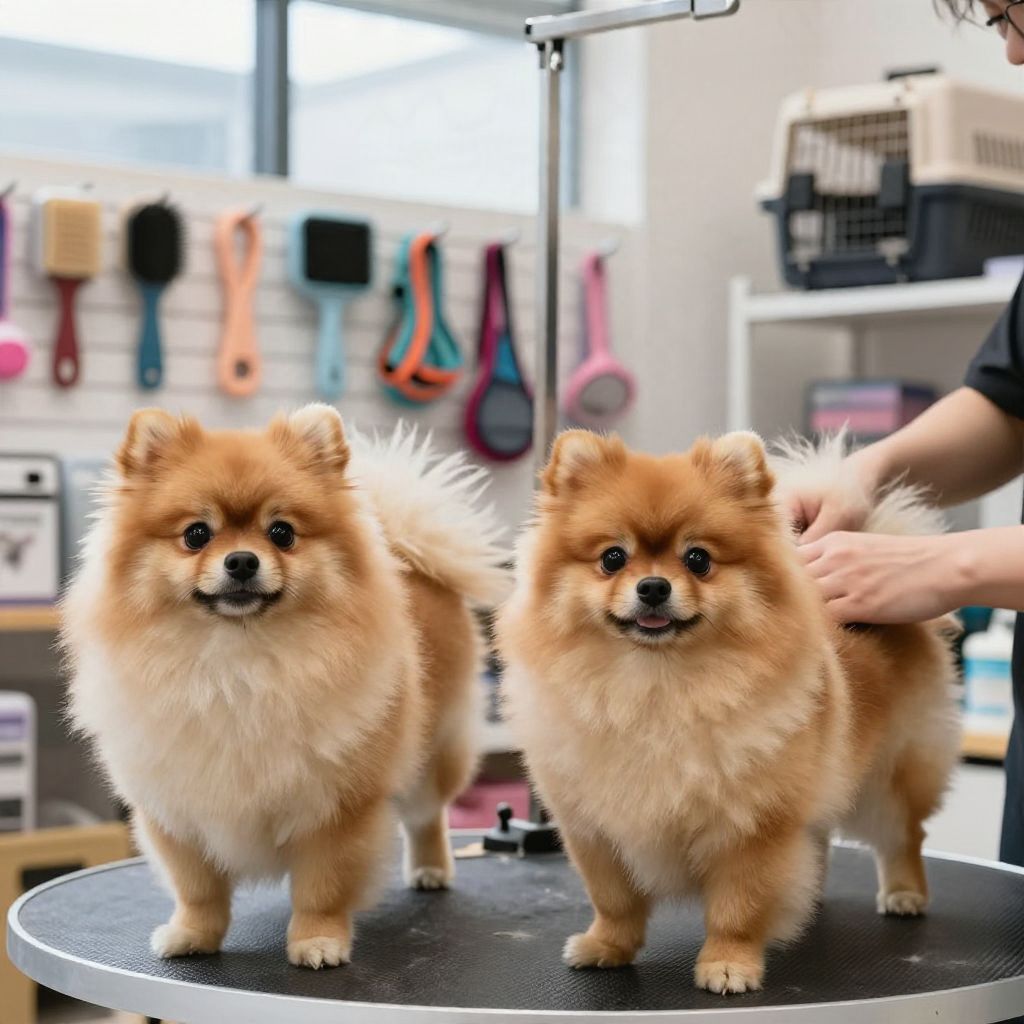
If you’re asking how much Pomeranians are, the answer depends on whether you mean the purchase price, first-year setup costs, or the ongoing cost of care. A Pomeranian can be a relatively expensive small dog to buy and to keep healthy, groomed, and well cared for.
Prices vary by breeder quality, pedigree, location, age, and whether the dog is a pet, show prospect, or rescue. It’s smart to budget for more than the purchase price so you can cover food, grooming, veterinary care, training, and unexpected expenses.
How Much Are Pomeranians?
Pomeranians commonly cost anywhere from a few hundred dollars through several thousand, depending on source, lineage, age, and health testing. A lower purchase price does not always mean a better deal, because responsible breeding, socialization, and veterinary care can raise the upfront cost but reduce future risks.
What Affects the Price of a Pomeranian?
Several factors influence how much you’ll pay. The biggest differences usually come from breeder reputation, puppy quality, and what is included with the dog.
Breeder quality and care
Responsible breeders often charge more because they invest in health screening, prenatal care, early socialization, and proper veterinary attention. That doesn’t guarantee a perfect dog, but it usually improves the odds of getting a well-started puppy.
Pedigree, registration, and show potential
Puppies from titled lines or with strong breed characteristics may cost more than companion-only puppies. Show potential can increase price, but a higher price does not guarantee a better temperament or easier care.
Location and local demand
Prices can vary by region. In areas where small companion dogs are in high demand, you may see higher prices than in places with more available litters or more rescue options.
Age and source
Young puppies often cost more than adolescents or adults. Rescue Pomeranians may cost less upfront, though you should still expect adoption fees and possible veterinary expenses.
Typical Costs Beyond the Purchase Price
The real question is often not just “how much are Pomeranians?” but “how much will a Pomeranian cost to own?” Small dogs can still come with meaningful ongoing expenses.
- Initial supplies: crate, bed, leash, harness, bowls, toys, grooming tools, and a carrier.
- Veterinary startup care: exam, vaccines, parasite prevention, microchip, and possible spay/neuter costs.
- Food: a high-quality diet appropriate for the dog’s life stage.
- Grooming: brushing tools and, for many families, professional grooming help.
- Training and socialization: puppy classes or private help if needed.
- Emergency reserve: savings for illness or injury.
Because Pomeranians are small, some people assume they are inexpensive to keep. In reality, their grooming and veterinary needs can be significant, especially if they develop dental disease, skin issues, or other health concerns.
Adoption vs. Buying From a Breeder
If you want a Pomeranian, adoption may be the most affordable route. Rescue fees are often lower than breeder prices, and many dogs already have basic veterinary care completed.
Adoption
Adoption can be a great option if you’re open to an adult dog. You may learn more about the dog’s personality, house-training progress, and energy level than you would with a very young puppy.
Buying from a breeder
If you choose a breeder, look for health-focused practices, clean living conditions, age-appropriate socialization, and thoughtful screening of buyers. Avoid sellers who cannot answer basic questions about the puppy’s care, parent dogs, or veterinary history.
What to Look for in a Healthy Pomeranian Puppy
Price should never be your only guide. A lower-cost puppy can become far more expensive if it comes from poor breeding or inadequate care.
- Clear eyes and a clean nose
- Bright, responsive behavior without extreme fear or lethargy
- Clean coat and skin with no obvious sores or heavy debris
- Age-appropriate veterinary records
- Willingness from the seller to discuss feeding, socialization, and health history
Ask whether the puppy has had a veterinary exam and what vaccines or parasite prevention have been started. A reputable source should be transparent and patient with your questions.
Common Ongoing Expenses for Pomeranian Owners
Pomeranians are small, but their care still adds up. Planning ahead helps you avoid cutting corners later.
Grooming needs
Many Pomeranians need regular brushing to prevent tangles and matting. Some owners also use professional grooming for coat maintenance, nail trims, and hygiene care. If you skip grooming, the coat can become uncomfortable and difficult to manage.
Dental care
Small breeds are often prone to dental problems, so home tooth brushing and veterinary dental exams matter. Dental disease can be painful and may affect eating, breath, and overall health.
Exercise and enrichment
Pomeranians are small, but they still need daily activity and mental stimulation. Short walks, play sessions, and training games help prevent boredom and support good behavior.
Training and socialization
Early, positive socialization can help a Pomeranian feel more comfortable with people, sounds, handling, and new places. Reward-based training is usually the safest and most effective approach.
How Age Changes the Cost
The age of the dog can change both the upfront price and the care you’ll need to budget for.
Puppies
Puppies often cost the most at the start. They also require more time for house-training, socialization, supervision, and frequent veterinary visits.
Adults
Adult Pomeranians may cost less to acquire and can be easier to evaluate for temperament and size. They may already have some training, which can reduce your workload.
Senior dogs
Older Pomeranians may be less expensive to adopt, but they can need more medical care. Budget for exams, dental care, mobility support, and age-related conditions if you choose a senior dog.
Health Concerns That Can Affect Lifetime Cost
Not every Pomeranian will develop health problems, but some issues can increase long-term expenses. Knowing this helps you plan realistically.
- Dental disease: common in many small dogs and often costly if neglected.
- Luxating patella: a kneecap issue that may need management or surgery in some cases.
- Tracheal sensitivity: some small dogs do better with a harness instead of a neck collar.
- Eye and skin concerns: these may require veterinary care depending on severity.
If your Pomeranian coughs, has trouble breathing, seems painful, stops eating, or shows sudden weakness, contact a veterinarian promptly. Breathing problems, collapse, severe lethargy, or inability to stand are urgent warning signs.
How to Budget Before You Bring One Home
A good budget protects both you and the dog. Before you commit, estimate the full first-year and monthly cost of ownership.
- Set aside the purchase or adoption fee.
- List initial supplies and veterinary startup care.
- Estimate monthly food, grooming, and preventive care.
- Plan for training and enrichment.
- Build an emergency fund for unexpected illness or injury.
If the numbers feel tight, consider waiting, adopting an older dog, or choosing a different time to add a pet. A dog should fit your budget comfortably, not stretch it to the breaking point.
Common Mistakes People Make When Pricing a Pomeranian
Many first-time buyers focus on the sticker price and overlook the real cost of ownership. That can lead to regret later.
- Choosing the cheapest puppy without checking health or background
- Ignoring grooming and dental expenses
- Assuming small size means low care needs
- Skipping training and socialization costs
- Not saving for emergencies
A thoughtful purchase is usually the one that balances cost, care, and the dog’s long-term well-being.
When to Ask for Professional Help
Talk to a veterinarian if you have questions about a puppy’s health, vaccinations, parasites, or breed-related risks. If you’re dealing with fear, barking, house-training issues, or reactivity, a certified reward-based trainer or veterinary behaviorist can help you manage the problem safely.
If a seller pressures you to buy quickly, refuses basic questions, or will not show health records, walk away. A trustworthy source should welcome careful buyers.
Bottom Line
How much Pomeranians cost depends on where you get the dog and what kind of care you want to support. Expect more than the purchase price, and budget for grooming, veterinary care, training, and emergencies so you can give your Pomeranian a healthy, stable home.
If you want to compare costs with another popular small breed, you may also find this Pomeranian cost guide and this French Bulldog cost guide helpful for planning.