
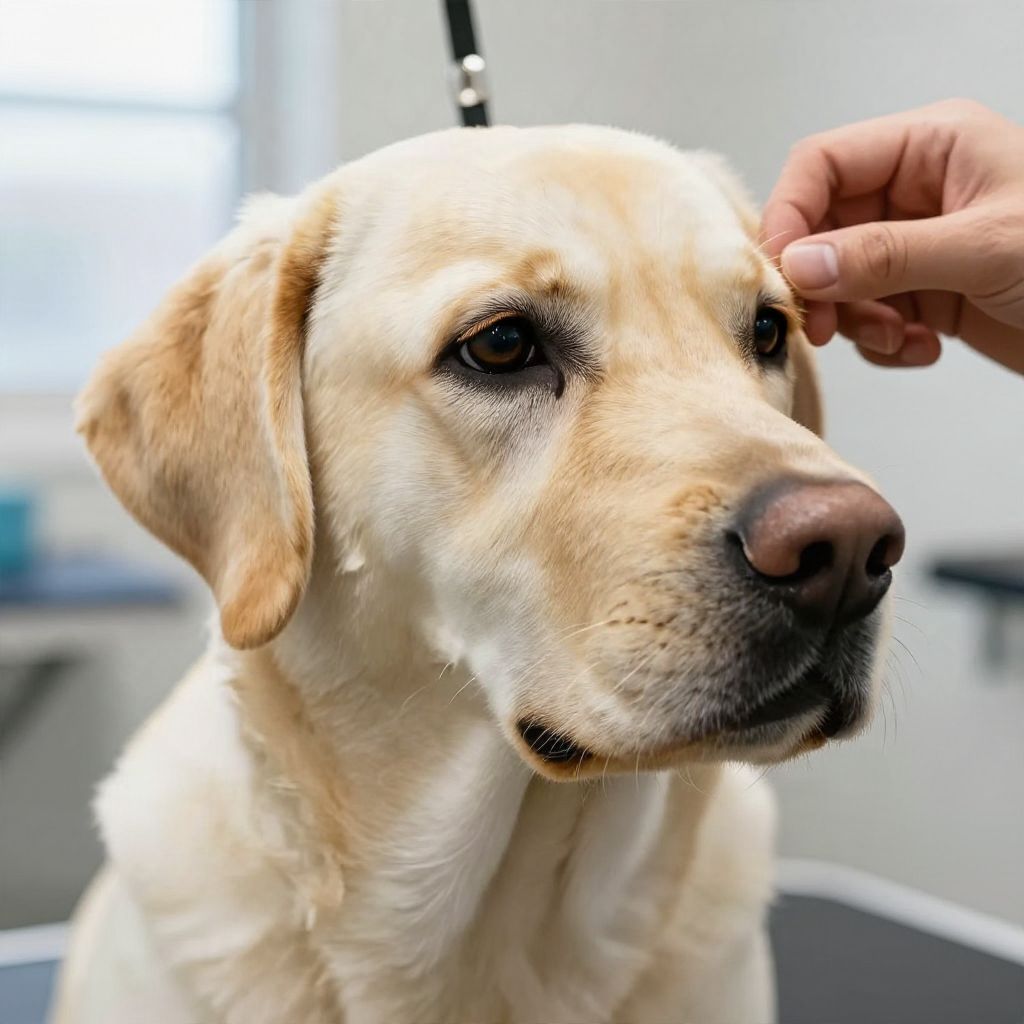
Do dogs have eyelashes? Yes, most dogs do, although they can be short, light-colored, or easy to miss. Eyelashes help protect the eyes by catching dust and debris before they reach the surface of the eye.
If you notice missing lashes, eye irritation, or repeated rubbing, it may be more than a grooming issue. Some eye and skin conditions can affect the eyelids and lashes, so it is worth paying attention to changes.
Do dogs have eyelashes?
Yes. Dogs usually have eyelashes on the upper eyelids, and some also have a few on the lower lids. They are often much shorter and less noticeable than human eyelashes, so many owners do not realize they are there. Their main job is to help protect the eyes from dust, hair, and small debris.
What dog eyelashes do
Dog eyelashes are part of the eye’s natural defense system. They help reduce the chance that dirt, loose hair, or other particles will enter the eye and cause irritation.
They also work with blinking and tear flow to keep the eye surface comfortable and protected. While they are not a complete shield, they are one of several small features that support eye health.
Why they matter
- They help block debris before it reaches the eye.
- They can reduce minor irritation from dust or hair.
- They are part of the eyelid margin, which helps protect the eye surface.
Why you may not notice your dog’s eyelashes
Many dogs have very fine lashes that blend into the coat color around the eyes. In some dogs, the lashes are sparse, short, or pointed in a direction that makes them hard to see.
Breed type, coat length, face shape, and individual variation all affect how visible eyelashes are. A short-haired dog may appear to have almost none, while a long-haired dog may simply have lashes hidden by surrounding fur.
What can make them harder to spot
- Light-colored or very thin lashes
- Long facial hair around the eyes
- Small or deeply set eyes
- Puppy coats that change as the dog matures
Are dog eyelashes ever a problem?
Sometimes. Eyelashes can become a problem if they grow in the wrong direction, rub against the eye, or are affected by eyelid shape or inflammation. In those cases, the lashes may contribute to discomfort, tearing, or redness.
Common issues include inward-turned lashes or eyelid abnormalities that cause the hair to touch the cornea. These problems should be checked by a veterinarian, because eye irritation can worsen quickly and become painful.
Signs your dog’s eyelashes or eyelids may be irritating the eye
- Squinting or keeping one eye closed
- Redness of the eye or eyelid
- Excess tearing or watery discharge
- Pawing at the face or rubbing the eye
- Cloudiness, swelling, or sensitivity to light
When to call the vet
Contact your veterinarian if your dog has repeated eye rubbing, persistent redness, discharge, or a lash that seems to be scraping the eye. Eye problems are not something to monitor for long at home if they keep coming back.
Seek urgent veterinary care if your dog has sudden eye pain, a visibly injured eye, thick discharge, marked swelling, bleeding, or trouble opening the eye. These can be signs of a serious eye injury or infection that needs prompt treatment.
How to check your dog’s eyelashes safely
You can look at your dog’s eyelids during a calm moment, but avoid pulling the lids open or trying to trim lashes yourself. A gentle visual check is enough for most home monitoring.
- Stand in good light.
- Look for redness, swelling, or discharge around the eyelids.
- Notice whether one eye looks more irritated than the other.
- Watch for blinking, squinting, or rubbing.
- If something looks off, schedule a veterinary exam.
If your dog resists handling, keep the check brief and low-stress. Reward calm behavior with praise or a small treat so eye checks are easier in the future.
Grooming tips for dogs with eye hair
Some dogs have facial hair that can brush the eyes even if the eyelashes themselves are normal. Regular grooming around the face can help reduce irritation, especially in dogs with longer coats or hair that grows toward the eyes.
Use caution near the eye area. If you are not comfortable trimming face hair safely, ask a professional groomer or your veterinarian for help.
Good grooming habits
- Keep hair around the eyes clean and neatly trimmed if needed.
- Wipe away crust or tear staining gently with a soft, damp cloth.
- Use only pet-safe products recommended for the face and eye area.
- Stop immediately if your dog becomes stressed or if the eye looks irritated.
Do puppies have eyelashes?
Yes, puppies have eyelashes too. They may be especially fine or short, so they can be even harder to see than in adult dogs. As puppies grow, facial hair and eyelid appearance may change.
If a puppy is rubbing at the eyes, has discharge, or seems bothered by light, do not assume it is just normal development. Puppies can still develop eye irritation, infections, or eyelid issues that need veterinary attention.
Breed and coat differences
Whether eyelashes are noticeable can vary from dog to dog. Some breeds or coat types tend to have more visible facial hair, while others have very short or sparse lashes that are easy to miss.
That said, breed does not guarantee a particular eye problem or eyelash pattern. Individual anatomy, grooming, and health history matter just as much as breed type.
What to keep in mind
- Long facial hair may hide the lashes but also irritate the eyes.
- Short-coated dogs may still have normal lashes that are simply subtle.
- Flattened faces or prominent eyes can sometimes make eye irritation more likely.
Common mistakes to avoid
Because dog eyelashes are usually small and unremarkable, owners sometimes overlook eye changes until the dog is uncomfortable. Avoid trying to handle eye problems casually.
- Do not pluck lashes at home.
- Do not use human eye drops unless your vet tells you to.
- Do not ignore repeated squinting or rubbing.
- Do not trim too close to the eye if you are unsure how to do it safely.
How a vet may evaluate eyelash-related eye problems
If your veterinarian suspects a lash or eyelid issue, they may examine the eye closely and check for irritation or corneal damage. They may also look for underlying causes such as eyelid shape, inflammation, or infection.
Depending on the findings, treatment may involve eye-safe medication, grooming changes, or a procedure to correct the eyelid problem. The right approach depends on the cause, so an exam is important rather than guessing at home.
Bottom line
Dogs do have eyelashes, but they are often small and easy to overlook. Most of the time they simply help protect the eyes, but if lashes or eyelids are causing irritation, your dog may need veterinary care. Watch for squinting, redness, discharge, or rubbing, and get help promptly if symptoms appear.
If you want to learn more about related facial features, you may also find whether dogs have eyebrows and whether dogs have lips helpful.