
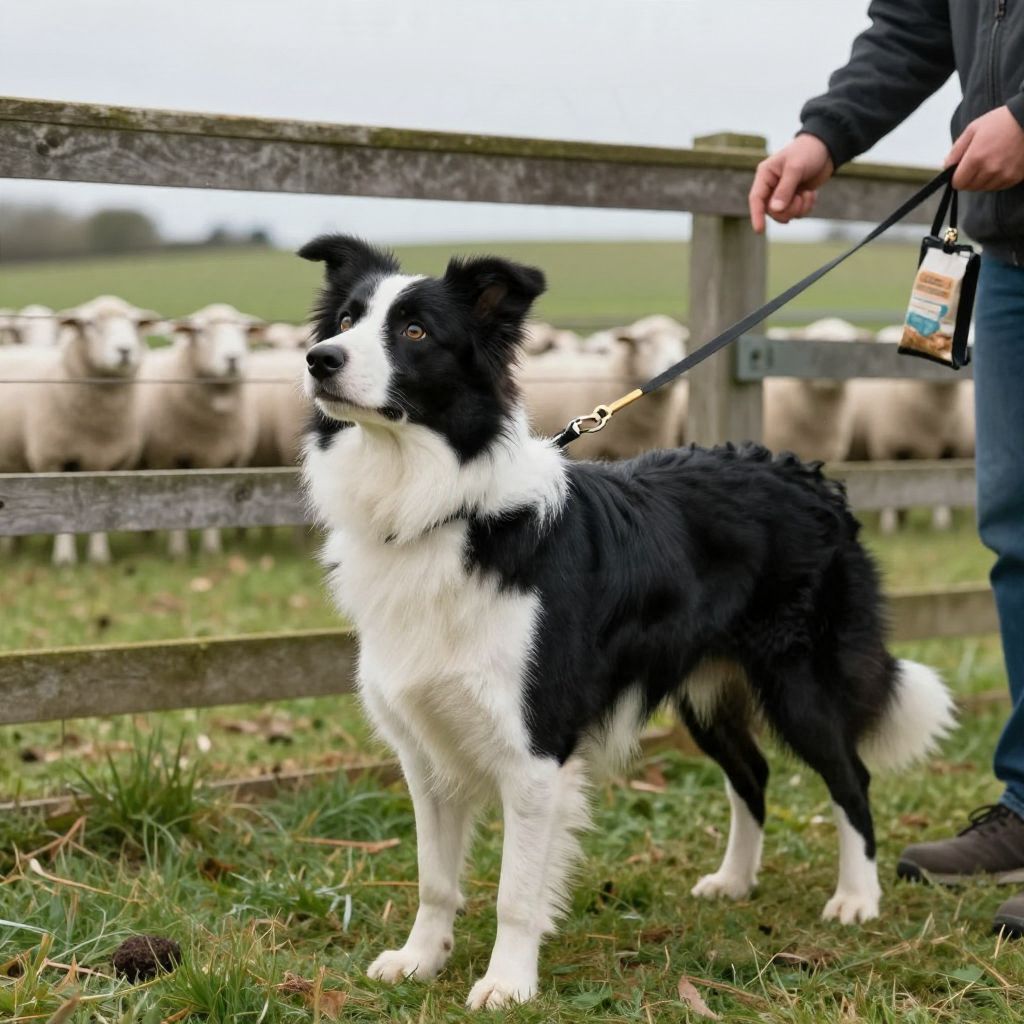
Do people eat sheep? Yes—many people do, usually as lamb or mutton in different cuisines. If you’re asking because your dog is near sheep meat, bones, or scraps, the key issue is safety: some cooked parts can be risky for dogs, and rich fatty foods can upset digestion.
Whether your dog can have a small amount depends on the form, seasoning, and how it’s prepared. Plain, fully cooked meat may be different from cooked bones, greasy trimmings, or heavily seasoned leftovers, which can be dangerous or hard to digest.
Do people eat sheep?
Yes. Sheep are commonly eaten as lamb or mutton in many parts of the world. For dogs, the important question is not whether humans eat sheep, but whether a specific sheep product is safe, plain, and appropriate for your dog’s size, age, and health.
What parts of sheep are most relevant to dogs?
If your dog gets into sheep food or leftovers, the main concerns are meat, fat, bones, and seasoning. Each one carries different risks, and some are much safer than others.
Plain sheep meat
Plain, fully cooked sheep meat may be okay for some dogs in small amounts if it has no onion, garlic, heavy salt, sauces, or spices. It should be treated as an occasional treat, not a meal replacement.
Fat and skin
Fatty trimmings are a common problem. Too much rich fat can trigger vomiting, diarrhea, or more serious digestive upset in some dogs, especially smaller dogs or dogs with a history of pancreatitis.
Bones
Cooked bones are a bigger concern than the meat itself. They can splinter, break teeth, cause choking, or injure the mouth, throat, stomach, or intestines.
Is sheep meat safe for dogs?
Plain, cooked sheep meat is not automatically unsafe for dogs, but it should be served only in small amounts and without seasoning, sauces, or bones. Avoid giving raw or cooked bones, and be cautious with fatty cuts because they can cause stomach upset or more serious digestive problems.
When sheep food becomes unsafe for dogs
Many sheep dishes are prepared in ways that are not dog-friendly. The meat itself may be less of a problem than what is added during cooking.
- Onion and garlic: Common in gravies, stews, and roasts, and unsafe for dogs.
- Salt-heavy seasoning: Can contribute to dehydration and stomach upset.
- Butter, oil, and drippings: Make the food too rich for many dogs.
- Cooked bones: Can splinter and cause injury or blockage.
- Stuffing or sauces: Often contain ingredients dogs should not eat.
What to do if your dog ate sheep meat or scraps
If your dog ate a small amount of plain cooked sheep meat, monitor for mild stomach upset. If the food included bones, onions, garlic, or a lot of fat, contact your veterinarian for advice, especially if your dog is small, older, or has a medical condition.
- Remove any remaining food so your dog cannot keep eating it.
- Check whether bones, skewers, foil, or packaging were also swallowed.
- Note what was in the food, how much was eaten, and when it happened.
- Watch closely for vomiting, diarrhea, drooling, pain, or loss of appetite.
- Call your veterinarian promptly if the food was seasoned, fatty, or included bones.
Red-flag symptoms that need urgent veterinary care
Seek urgent veterinary help right away if your dog shows signs of choking, repeated vomiting, severe abdominal pain, bloating, weakness, collapse, trouble breathing, bloody stool, or cannot keep water down after eating sheep scraps or bones.
- Gagging, pawing at the mouth, or trouble swallowing
- Repeated vomiting or retching
- Swollen or painful abdomen
- Black, tarry stool or visible blood
- Extreme lethargy or collapse
- Signs of dehydration, such as dry gums or weakness
Why cooked sheep bones are risky
Cooked bones are brittle and can break into sharp pieces. That creates a risk of mouth injuries, choking, intestinal blockage, or perforation, which can become life-threatening.
If your dog has swallowed a bone, do not try to force vomiting unless a veterinarian specifically tells you to do so. Call your vet or an emergency clinic for guidance.
Can dogs eat lamb or mutton as a treat?
Some dogs can eat plain lamb or mutton in moderation, but it should be served carefully. The safest version is simple, fully cooked meat with no bones, no seasoning, and little visible fat.
Safer ways to offer it
- Use tiny pieces as a high-value training treat.
- Choose plain, unseasoned meat only.
- Trim excess fat before serving.
- Keep portions small, especially for small dogs.
When to skip it
- Your dog has a sensitive stomach.
- Your dog has had pancreatitis or other digestive issues.
- The meat is heavily seasoned or cooked with onions or garlic.
- The serving includes bones or greasy drippings.
Age, size, and health matter
Not every dog tolerates the same foods equally well. Puppies, senior dogs, and dogs with medical conditions may be more vulnerable to rich foods or sharp bone fragments.
Puppies
Puppies have smaller airways and more delicate digestive systems, so bone hazards and rich scraps are especially concerning. Keep their diet simple and age-appropriate.
Senior dogs
Older dogs may have dental disease, slower digestion, or chronic illness. Even a small amount of fatty or seasoned sheep food can be harder for them to handle.
Dogs with pancreatitis or GI sensitivity
These dogs may react badly to fatty meats and table scraps. If your dog has a history of digestive trouble, ask your veterinarian before offering any sheep meat at all.
Common mistakes to avoid
Most problems happen when people assume a human food is harmless because it is “just meat.” The preparation matters just as much as the ingredient.
- Giving cooked bones as a chew
- Sharing roast drippings or gravy
- Offering seasoned leftovers from the table
- Letting your dog clean plates or trash
- Assuming all dogs tolerate lamb or mutton the same way
How to prevent sheep-food accidents
Prevention is usually easier than treating a stomach upset or bone injury. A few simple habits can reduce the chance of trouble.
- Keep leftovers out of reach.
- Dispose of bones in a secure trash bin.
- Teach a reliable “leave it” cue using reward-based training.
- Supervise your dog around barbecue, holiday meals, and kitchen counters.
- Ask guests not to feed table scraps.
When to call your veterinarian
Call your veterinarian if your dog ate a large amount of sheep meat, any cooked bone, or food that contained onion, garlic, or a lot of fat. Also call if your dog has ongoing vomiting, diarrhea, abdominal pain, or seems unwell after eating.
If you are unsure whether the food was safe, it is better to ask early than wait for symptoms to worsen. Your vet can help you decide whether home monitoring or an exam is needed.
For more related dog-food safety reading, you may also find can dogs eat lamb and can dogs eat lamb bones helpful.
In short, people do eat sheep, but dogs should only have plain, boneless, unseasoned sheep meat in small amounts. Keep cooked bones, fatty scraps, and seasoned leftovers away from your dog, and contact a veterinarian quickly if your dog eats something risky or develops warning signs.