
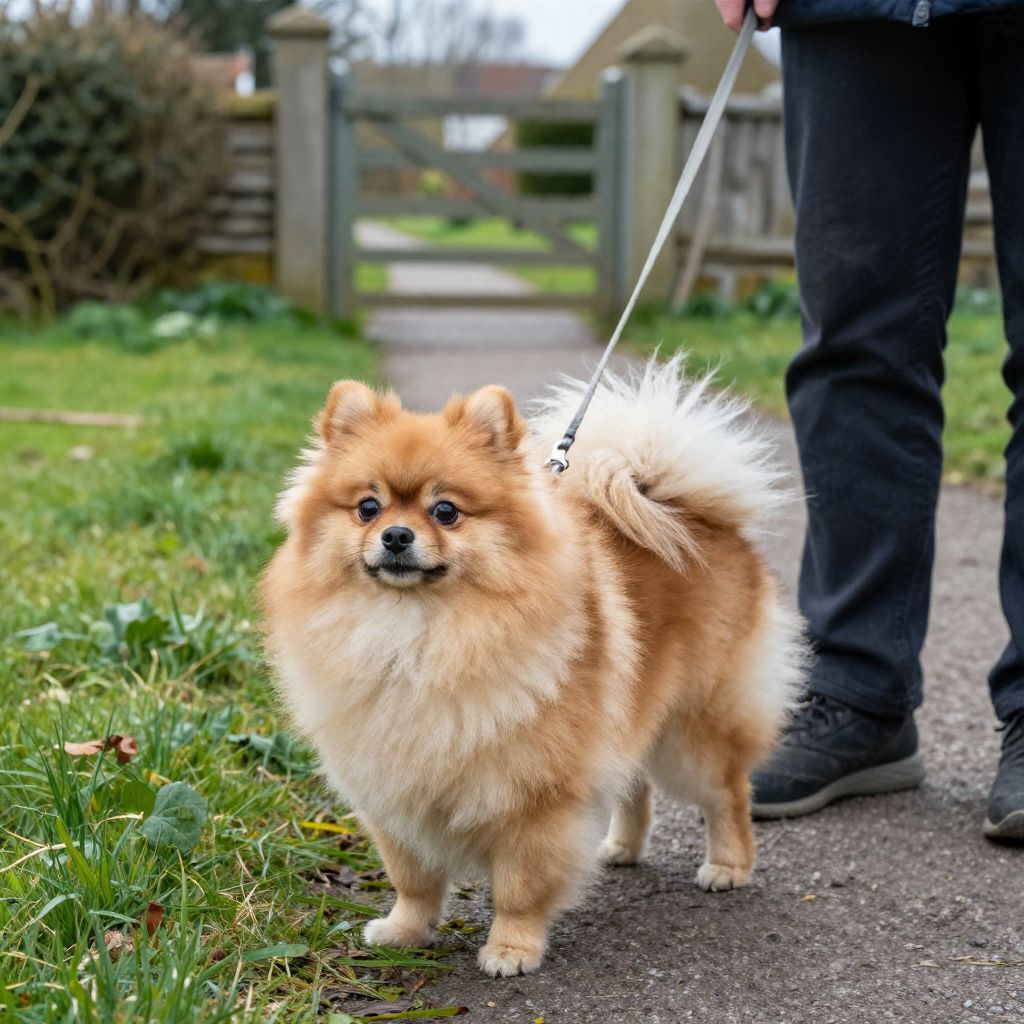
What were Pomeranians bred for? They were originally developed as larger spitz-type dogs used for work, not as tiny companion pets. Over time, breeders selected for smaller size and a lively, alert temperament, which is why today’s Pomeranians are known more for companionship than for farm labor.
If you live with a Pom, understanding that history helps you meet their needs better. Many still enjoy activity, training, and close interaction, even though they are small enough to live comfortably in apartments or smaller homes.
What Were Pomeranians Bred For?
Pomeranians were bred from larger spitz dogs that helped people with practical tasks, especially as alert watchdogs and general-purpose working companions in colder regions. As the breed became smaller, their role shifted toward companionship, but they often kept the bold, attentive personality that made them useful and appealing.
The Breed’s Working Background
Pomeranians come from the spitz family, a group of dogs known for thick coats, pointed ears, curled tails, and a spirited nature. Their early ancestors were much larger than the toy-sized dogs you see today.
Historically, dogs in this family were valued for being hardy, watchful, and responsive to people. Pomeranians were not bred as hunting specialists or herding dogs in the modern sense, but they were useful as alert little guardians and lively companions.
How the breed changed over time
- Early Pomeranian-type dogs were larger and more robust.
- Selective breeding gradually reduced their size.
- As they became smaller, they became more popular as companion dogs.
- Their alertness, confidence, and curiosity remained strong breed traits.
What That History Means for Your Dog Today
Knowing what Pomeranians were bred for helps explain why many enjoy being involved in family life, hearing what is going on around them, and having regular mental stimulation. They are often affectionate and people-focused, but they may also be vocal and quick to notice changes in their environment.
That does not mean every Pomeranian acts the same. Individual temperament depends on genetics, early socialization, training, health, and life experience. Some are outgoing and bold, while others are shy, cautious, or more independent.
Common tendencies you may notice
- Alertness to sounds and movement
- A tendency to bark when excited or worried
- Enjoyment of short training sessions
- Strong attachment to their people
- Interest in toys, games, and exploration
Exercise and Enrichment for a Pomeranian
Because they were bred to be active, attentive dogs, Pomeranians usually need more than just lap time. Their exercise needs are modest compared with many larger breeds, but they still benefit from daily movement and brain work.
Short walks, indoor play, and training games can be enough for many Poms, especially if you match activity to age and health. Puppies, seniors, and dogs with medical issues may need a different pace than healthy adults.
Good enrichment options
- Short leash walks in safe areas
- Fetch with lightweight toys
- Hide-and-seek with treats or kibble
- Basic obedience practice
- Puzzle toys designed for dogs
Safety note: Pomeranians are small, so rough play, high jumps, and unsafe stairs can increase the risk of injury. Supervise play around larger dogs and children.
Training a Breed That Was Bred to Be Alert
Because Pomeranians were bred to notice activity and respond quickly, they often do well with reward-based training. They can learn cues, routines, and tricks, but they usually respond best to short, positive sessions rather than long or harsh ones.
Use tiny treats, praise, and consistency. If your Pom barks a lot, jumps up, or becomes overexcited, focus on teaching an alternative behavior instead of trying to suppress the behavior with punishment.
Helpful training priorities
- Teach a reliable name response.
- Reward quiet behavior and calm settling.
- Practice coming when called in safe indoor areas first.
- Work on polite leash walking.
- Introduce handling for grooming and vet visits early.
If barking, fearfulness, or reactivity is hard to manage, a certified trainer or veterinary behaviorist can help you build a plan that fits your dog.
Grooming Needs Linked to Their Coat and History
Pomeranians have a thick double coat that helped their ancestors stay comfortable in colder climates. That coat needs regular care to stay clean, mat-free, and healthy-looking.
Brushing several times a week is often helpful, and some dogs need more frequent grooming during shedding periods. Regular coat care also gives you a chance to check for skin irritation, tangles, parasites, or small injuries.
Grooming basics
- Brush to reduce tangles and loose undercoat
- Check ears, paws, and tail area for debris
- Trim nails regularly
- Brush teeth often, since small dogs can be prone to dental disease
- Use a dog-safe shampoo if bathing is needed
Do not cut the coat too short without professional guidance. The coat helps protect the skin, and improper trimming can lead to uneven regrowth or skin problems in some dogs.
Feeding a Small Dog With a Big Personality
Pomeranians are small, so portion control matters, but their food should still be complete and balanced for their life stage. Their working-dog background does not mean they need a special “historical” diet; it means they benefit from good nutrition, consistency, and healthy body condition.
Choose a diet appropriate for puppies, adults, or seniors as needed. If your dog is very active, underweight, overweight, or has a medical condition, your veterinarian can help adjust the feeding plan.
Feeding tips
- Measure meals instead of free-feeding whenever possible
- Use treats sparingly during training
- Keep fresh water available
- Ask your vet before changing foods quickly
- Monitor body condition, not just the scale
Because small dogs can be more vulnerable to dental issues, crunchy treats are not a substitute for dental care. Ask your vet about dental home care and professional cleanings if needed.
Socialization Matters for This Alert Breed
Pomeranians were bred to be attentive and responsive, which can be a strength when they are well socialized. Early, positive exposure to people, sounds, handling, and other animals can help prevent fear-based barking or nervousness later on.
Socialization should be gentle and controlled. You want your dog to learn that new experiences are safe, not overwhelming.
What good socialization looks like
- Meeting calm, dog-savvy people
- Observing everyday sights and sounds from a safe distance
- Practicing handling of paws, ears, and mouth
- Short, positive introductions to other dogs
- Rewarding curiosity and calm behavior
Never force your Pomeranian into situations that scare them. Fear can worsen barking, avoidance, and defensive behavior.
Common Health Concerns to Watch For
Breed history does not diagnose health problems, but small dogs like Pomeranians can be prone to certain issues. Watch for changes in appetite, energy, breathing, mobility, or behavior, and contact your veterinarian if something seems off.
Because they are small and delicate, injuries can happen more easily from falls, rough handling, or jumping off furniture. Dental disease, knee problems, and airway concerns are also worth discussing with your vet if you notice symptoms.
Call a veterinarian promptly if you notice
- Persistent coughing or breathing trouble
- Limping or reluctance to jump or walk
- Sudden weakness or collapse
- Loss of appetite lasting more than a day or two
- Vomiting, diarrhea, or obvious pain
- Swollen abdomen or repeated retching
Emergency warning: If your Pomeranian has severe breathing difficulty, collapses, has blue or pale gums, or cannot stand, seek urgent veterinary care right away.
Common Mistakes Owners Make
People sometimes underestimate Pomeranians because of their size. But a small dog still needs structure, training, and safety precautions.
- Skipping training because the dog is “too small to matter”
- Allowing too much barking without teaching alternatives
- Overfeeding small portions and ignoring weight gain
- Neglecting dental care
- Letting the dog jump from furniture unsafely
- Assuming all Poms are naturally confident with strangers or other dogs
Small size does not mean low needs. Many Pomeranians thrive when you give them routine, manners, and daily engagement.
Is a Pomeranian a Good Fit for Your Home?
Pomeranians often suit people who want a companion dog with personality, manageable exercise needs, and a strong desire to be near their family. They can do well in apartments or houses if their barking, grooming, and training needs are handled consistently.
They may be a less ideal match if you want a very quiet dog, a low-maintenance coat, or a pet that can be left alone for long stretches without preparation and support.
Conclusion
Pomeranians were bred from larger spitz dogs for practical work and alert companionship, and that history still shows in their bright, watchful nature. If you give your Pom regular exercise, positive training, grooming, and safe handling, you can support the traits that make the breed so engaging.
If you want to learn more about the breed’s background or lifespan, you may also find these helpful: where Pomeranians are from and how long Pomeranians live.