
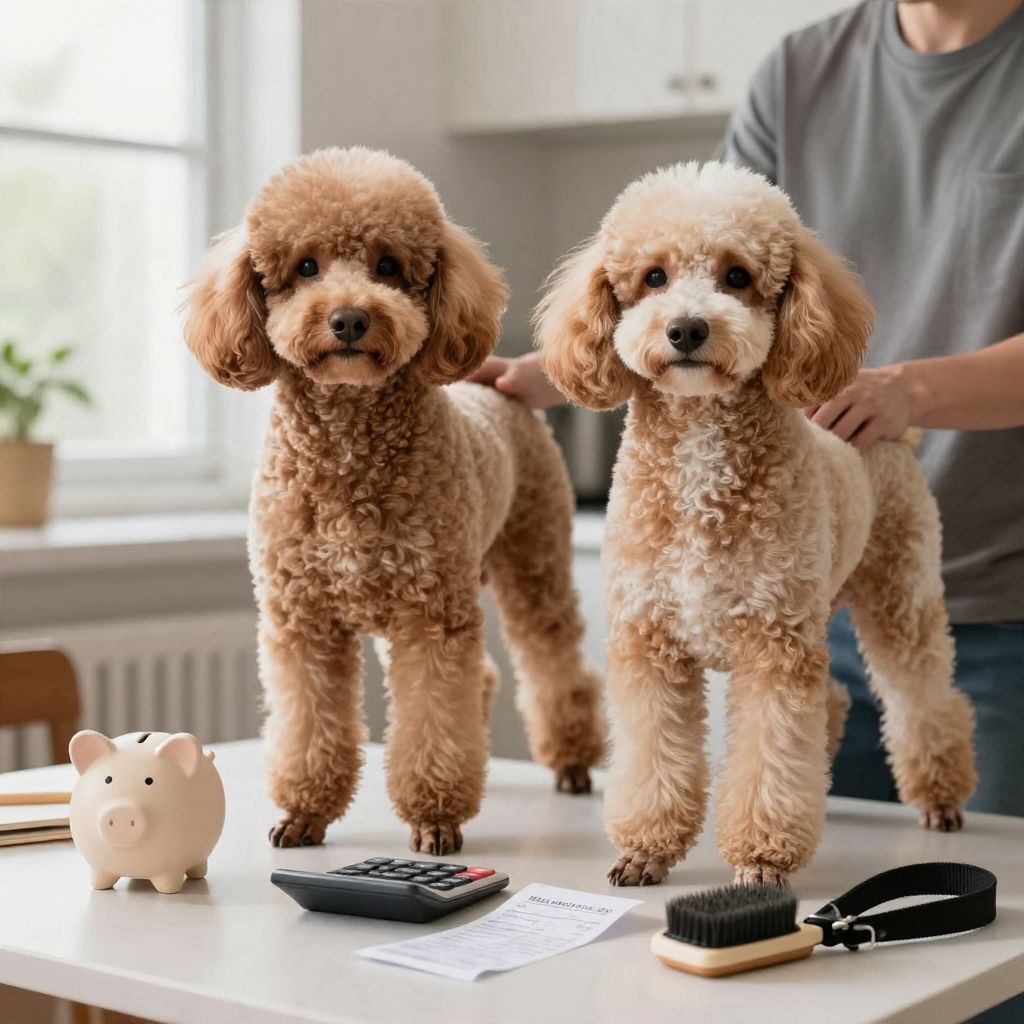
If you’re asking how much are Toy Poodles, the answer depends on whether you mean the purchase price or the ongoing cost of care. The upfront price can vary a lot based on breeder quality, location, pedigree, and age.
Beyond the purchase price, Toy Poodles also come with regular expenses for grooming, food, vet care, training, and supplies. Knowing both the initial and lifetime costs helps you budget realistically before bringing one home.
How much are Toy Poodles?
Toy Poodles commonly cost anywhere from a few hundred to several thousand dollars, depending on source, pedigree, health testing, and demand. A responsible breeder usually charges more because of veterinary care, screening, and socialization, while shelters or rescues are often much less expensive.
What affects the price of a Toy Poodle?
Several factors influence how much a Toy Poodle costs, and the price can change a lot from one dog to another. The cheapest option is not always the best value if it comes with poor health care or weak early socialization.
- Breeder reputation: Ethical breeders often invest in health testing, proper puppy care, and early socialization.
- Pedigree and show potential: Puppies from champion lines or with breeding rights may cost more.
- Location: Prices often vary by region and local demand.
- Age: Puppies usually cost more than adult dogs.
- Color or appearance trends: Unusual coat colors or popular looks may raise the price.
- Included care: Vaccines, microchipping, deworming, and spay/neuter agreements can affect the total.
Breeder vs. rescue vs. pet store
Where you get the dog matters as much as the sticker price. A lower upfront cost can sometimes mean higher long-term expenses if the puppy has health or behavior issues.
- Responsible breeder: Usually the highest upfront cost, but often includes health screening and better early care.
- Rescue or shelter: Usually lower adoption fees, though availability may be limited.
- Pet store or online marketplace: Prices can vary widely, but these sources may carry higher risk if background and health history are unclear.
How much do Toy Poodle puppies cost compared with adults?
Puppies usually cost more than adult Toy Poodles because they are in higher demand and require more early care from the breeder or seller. Adult dogs may be less expensive, and sometimes they are already house-trained or past the most intense puppy stage.
If you want a calmer dog or are open to an older companion, an adult Toy Poodle can be a smart choice. Ask about temperament, training history, and any medical needs so you understand the real cost before adopting.
What are the ongoing costs of owning a Toy Poodle?
The purchase price is only part of the budget. Toy Poodles need regular grooming, preventive veterinary care, quality food, and training support, especially in the first year.
- Food: Small dogs eat less than larger breeds, but high-quality diets can still add up over time.
- Grooming: Their coat needs regular brushing and professional grooming to prevent mats.
- Vet care: Routine exams, vaccines, parasite prevention, and dental care are important.
- Training and enrichment: Classes, toys, and puzzle feeders can help with manners and mental stimulation.
- Supplies: Crates, bedding, leashes, harnesses, bowls, and carriers are part of the setup cost.
Grooming costs can be significant
Toy Poodles are known for their curly coats, which need consistent upkeep. If you skip grooming, mats can form quickly and become painful, so factor in both time and money.
Typical grooming-related expenses may include:
- Brushes and combs for home care
- Shampoo and coat-care products
- Professional grooming appointments
- Occasional coat trims between full grooms
How can you tell if a Toy Poodle price is fair?
A fair price should reflect the dog’s age, health, care history, and the seller’s transparency. Ask questions and compare options instead of choosing based on price alone.
- Ask for veterinary records and proof of vaccines or parasite prevention.
- Request information about the parents’ health testing if buying from a breeder.
- Find out what is included in the price, such as microchipping or spay/neuter.
- Meet the puppy or dog in a clean, safe environment whenever possible.
- Be cautious if the seller rushes you, avoids questions, or offers vague answers.
Red flag: If a seller will not show health records or refuses to discuss the puppy’s background, consider walking away.
What should you budget for the first year?
The first year is usually the most expensive because you are covering the purchase price plus setup and early veterinary care. Even a lower-cost Toy Poodle can become expensive once you add supplies and routine care.
- Initial purchase or adoption fee
- Veterinary exam and follow-up visits
- Vaccinations and parasite prevention
- Spay or neuter, if not already done
- Grooming tools and professional grooming
- Training classes or private support if needed
- Crate, bed, toys, leash, harness, and food bowls
If you are planning for a puppy, set aside an emergency fund for unexpected illness or injury. Small dogs can still have serious medical problems, and prompt care matters.
Are Toy Poodles expensive to care for long term?
They can be moderately expensive over time because grooming and dental care are ongoing needs. Their small size may help with food costs, but routine care and quality grooming should not be skipped.
Common long-term expenses to expect
- Annual wellness exams
- Dental cleanings as recommended by your veterinarian
- Parasite prevention
- Regular grooming appointments
- Replacement toys, beds, and training supplies
Some Toy Poodles live many years, so it helps to think beyond the first purchase and plan for a long-term commitment. If you want to learn more about lifespan, you can also read how long Toy Poodles live.
How do you avoid overpaying for a Toy Poodle?
You can avoid overpaying by comparing sellers, asking detailed questions, and focusing on health and care rather than hype. A very high price does not automatically mean better breeding, and a very low price can hide problems.
- Compare several sources before deciding.
- Ask what health testing has been done.
- Look for clear records of vaccines and deworming.
- Confirm whether the dog is sold as a pet only or with breeding rights.
- Budget for grooming and veterinary care before you buy.
If you are unsure whether a price is reasonable, a local veterinarian, breed club, or experienced trainer may help you evaluate the seller’s claims.
Is a cheaper Toy Poodle a bad idea?
Not always. A lower price can be perfectly reasonable if the dog comes from a shelter, rescue, or a well-run home rehoming situation. The key is to understand why the price is lower and whether the dog has received proper care.
Be extra cautious if a low price is paired with poor living conditions, no records, or pressure to buy quickly. Those are signs to slow down and ask more questions.
What should you ask before buying or adopting?
Good questions can help you avoid hidden costs and choose a healthier, better-matched dog. They also show whether the seller is knowledgeable and transparent.
- How old is the dog?
- What vaccinations and parasite prevention has the dog received?
- Has the dog been checked by a veterinarian?
- What is the dog’s temperament like in the home?
- Has the dog been socialized with people, sounds, and handling?
- Are there any known medical or behavior concerns?
- What support is offered after adoption or purchase?
Bottom line: how much are Toy Poodles?
How much Toy Poodles cost depends on where you get one, the dog’s age and background, and the care included with the purchase. Plan for both the upfront price and the ongoing costs of grooming, food, and veterinary care so you can give your dog a stable, healthy home.
If you are still comparing options, it may also help to review how big Toy Poodles get so you can budget for the right supplies, grooming needs, and living space.